
Support the decision path
Inland American Real Estate Trust and several value-add commercial real estate funds have historically held retail and office assets in the Jackson metropolitan area and Mississippi's capital city has attracted renewed institutional interest from opportunistic REITs and private equity real estate platforms drawn by yield premiums that Sunbelt gateway markets no longer offer. Asset managers overseeing commercial properties in Hinds and Rankin counties understand that Jackson represents a value-add acquisition environment where per-unit pricing is low occupancy fundamentals are improving and the gap between current owner operating standards and institutional asset management standards is wide enough to generate meaningful value through improved operations—including critically deferred maintenance programs that private landlords allowed to accumulate through years of capital constraints. Commercial roofing is consistently among the highest-priority deferred maintenance categories when institutional buyers complete property condition assessments on Jackson acquisitions.
Multi-property preferred vendor programs are particularly transformative in the Jackson market because the transition from private to institutional ownership typically involves a baseline reset across every building in the acquisition. A master service agreement with a qualified Jackson commercial roofing contractor establishes that baseline for the roofing program: a comprehensive initial inspection of every roof in the portfolio a condition report and cost opinion for each building and a prioritized repair and replacement schedule that becomes the CapEx plan presented to investors. For a REIT acquiring a Jackson retail or office portfolio from a private owner who managed reactively this systematic baseline process is how the asset management program demonstrates its value in the first 90 days of ownership.
NOI protection in Jackson requires explicit attention to the market's humid subtropical climate and its combination of high annual rainfall—approximately 55 inches among the highest in the continental United States—and summer temperatures that regularly exceed 95 degrees Fahrenheit. This combination of sustained moisture stress and extreme heat aging is among the most demanding for commercial roofing systems anywhere in the country. A poor modified bitumen membrane that would deliver 18 to 20 years of service in a drier cooler climate may reach end-of-life condition in 12 to 14 years in Jackson and a reserve model built on national average service life assumptions will chronically under fund replacement reserves for a Jackson portfolio. Deferred roofing maintenance in this climate compounds rapidly because the moisture load that a compromised membrane allows is much higher than in any mid-continental market.
Ten-year CapEx reserve models for Jackson commercial roofs should be built around three local realities: accelerated membrane aging from the combined heat and moisture stress above-average drain maintenance costs driven by debris loading in Jackson's heavily vegetated commercial corridors and the elevated replacement cost that comes from delivering a full commercial re-roofing project in a market where contractor capacity is more limited than in larger metros and where material logistics costs are higher than at major supply chain hubs. Current commercial flat roof replacement costs in Jackson run $10 to $14 per square foot for standard single-ply systems with upward pressure on that range when project timing coincides with high regional construction activity.
Property condition assessments for Jackson acquisitions should be treated as forensic investigations rather than compliance formalities. The deferred maintenance culture that characterizes many Jackson commercial properties means that the roofing system's actual condition frequently diverges significantly from what available documentation suggests. A PCA that reviews maintenance records without conducting independent infrared thermography and core sampling will produce a condition opinion that is more optimistic than the building deserves and that optimistic opinion will translate directly into a reserve model that is underfunded from day one of ownership. Conservative Jackson REIT underwriting assumes that the PCA-identified CapEx is the floor, not the ceiling and holds a contingency reserve for conditions that become visible only after ownership begins.
Jackson's commercial real estate market is bifurcated between the I-220 and Lakeland Drive corridors in the northeastern suburbs where Class B office and retail assets attract value-add capital and the downtown and Midtown corridors where a revitalization investment cycle driven by the city's economic development program is beginning to attract mixed-use and boutique hotel development. Industrial REITs have found limited acquisition opportunity in Jackson compared to Mississippi's Gulf Coast markets but the suburban office and neighborhood retail assets that characterize the I-220 corridor represent a recurring acquisition opportunity for value-add operators who can execute a systematic asset improvement program that includes roofing as a near-term priority item.
CapEx versus OpEx classification for Jackson roofing projects requires the same documentation rigor as any REIT market but the Jackson context adds a specific challenge: many buildings being acquired have roofing systems that are in such poor condition that the question is not whether to replace them but when. When a roof is at or past end of life and has been maintained reactively, the appropriate accounting treatment for ongoing repair costs shifts—continued repair of a substantially expired system may not qualify for OpEx treatment if it is functionally extending a life that should have already been replaced. Your Jackson roofing contractor needs to document not just the work performed but the roof's overall condition context so that the accounting team can evaluate whether continued repair is appropriate or whether the CapEx replacement event should be triggered immediately.
Mississippi's commercial lease market is predominantly gross lease in the office sector and NNN in retail though older retail assets in Jackson's suburban corridors sometimes carry hybrid structures that create ambiguous roof maintenance responsibility between landlord and tenant. When a REIT acquires a Jackson retail strip with multiple tenants and multiple lease structures mapping each lease's roof maintenance obligation against each building section's actual maintenance history is a first-year asset management priority that prevents the lease dispute from arising at an inconvenient moment. A preferred vendor MSA contractor who conducts a baseline inspection across the full portfolio can help identify where tenant-maintained roof sections have received deferred care that will require landlord capital to remediate.
The institutional real estate community serving Jackson is smaller than in major Sunbelt metros which means that REIT operators who bring genuine institutional asset management programs to the market stand out visibly to tenants lenders and local economic development partners who are accustomed to private landlord operating standards. A roofing program that includes documented preventive maintenance, funded reserves, and a preferred vendor MSA is not a standard in the Jackson market—it is a differentiator that signals the kind of ownership that attracts quality tenants supports favorable lender treatment and positions the portfolio for premium valuation at disposition to the next institutional buyer who will recognize and reward the documentation foundation that has been built.
Keep exploring
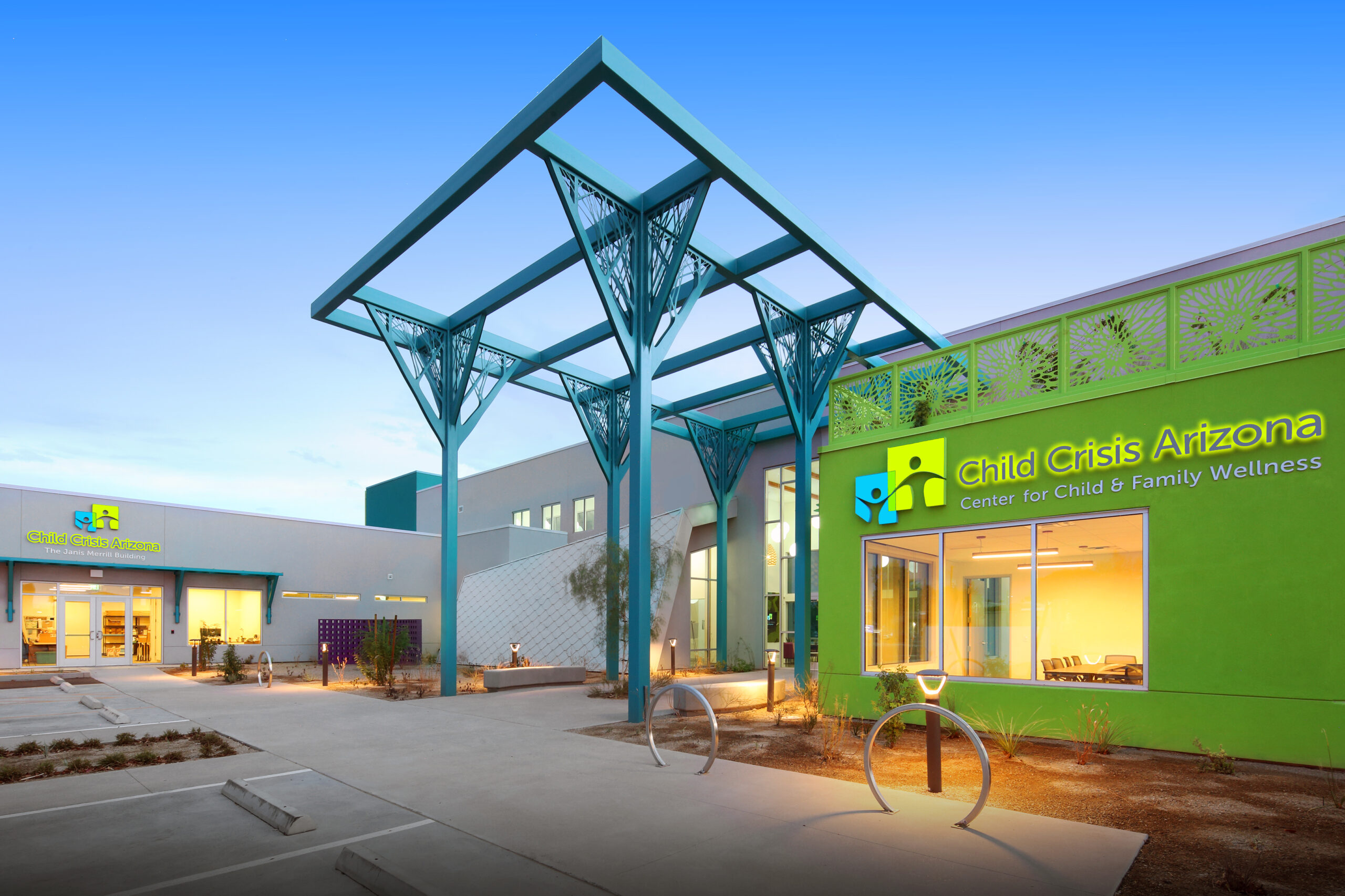
Nonprofit Facility Roofing
Non-Profit Facilities for commercial buildings in Jackson,
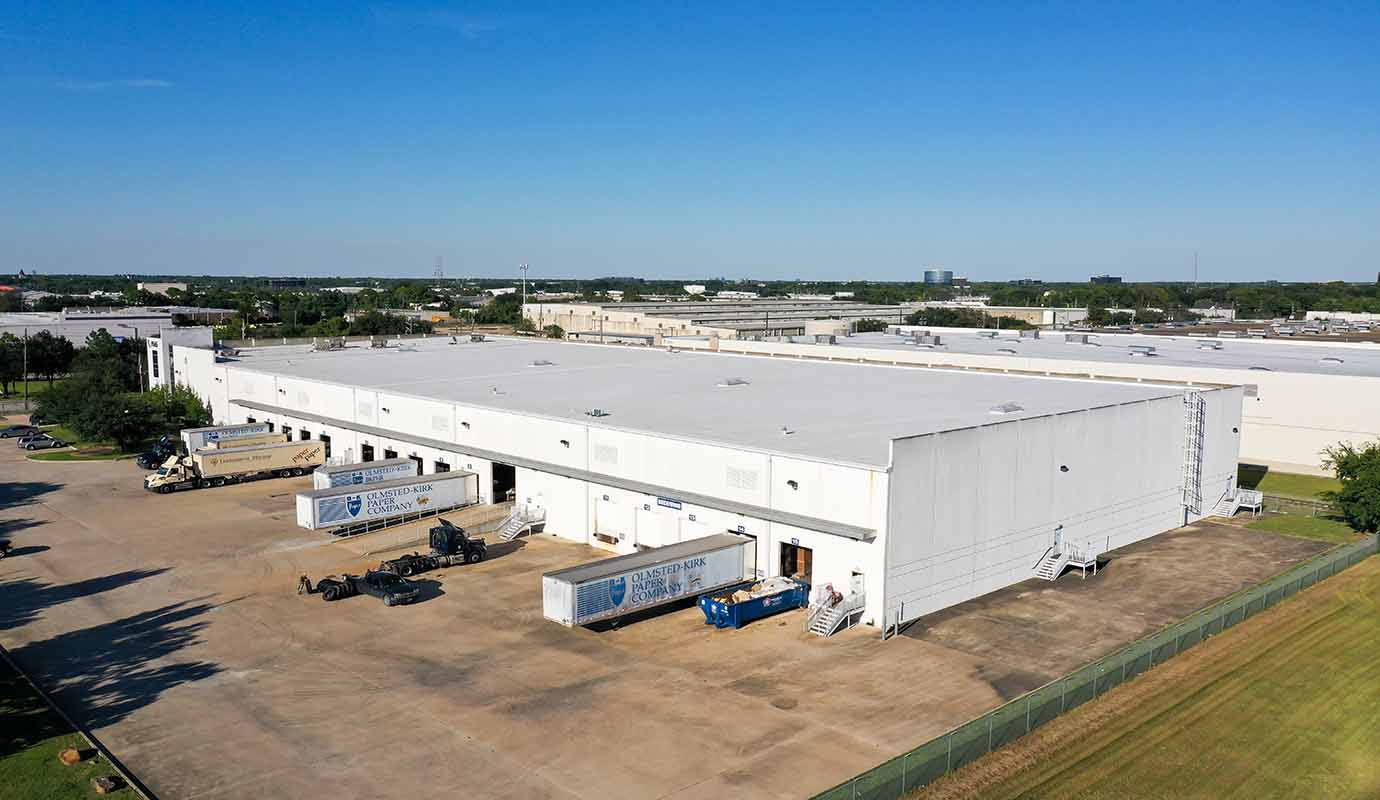
DST Roofing
Commercial roofing for Delaware Statutory Trust (DST) properties and 1031 exchange investors throughout Jackson,

General Contractor Commercial Roofing
General Contractors for commercial buildings in Jackson,