
Protect the operation below
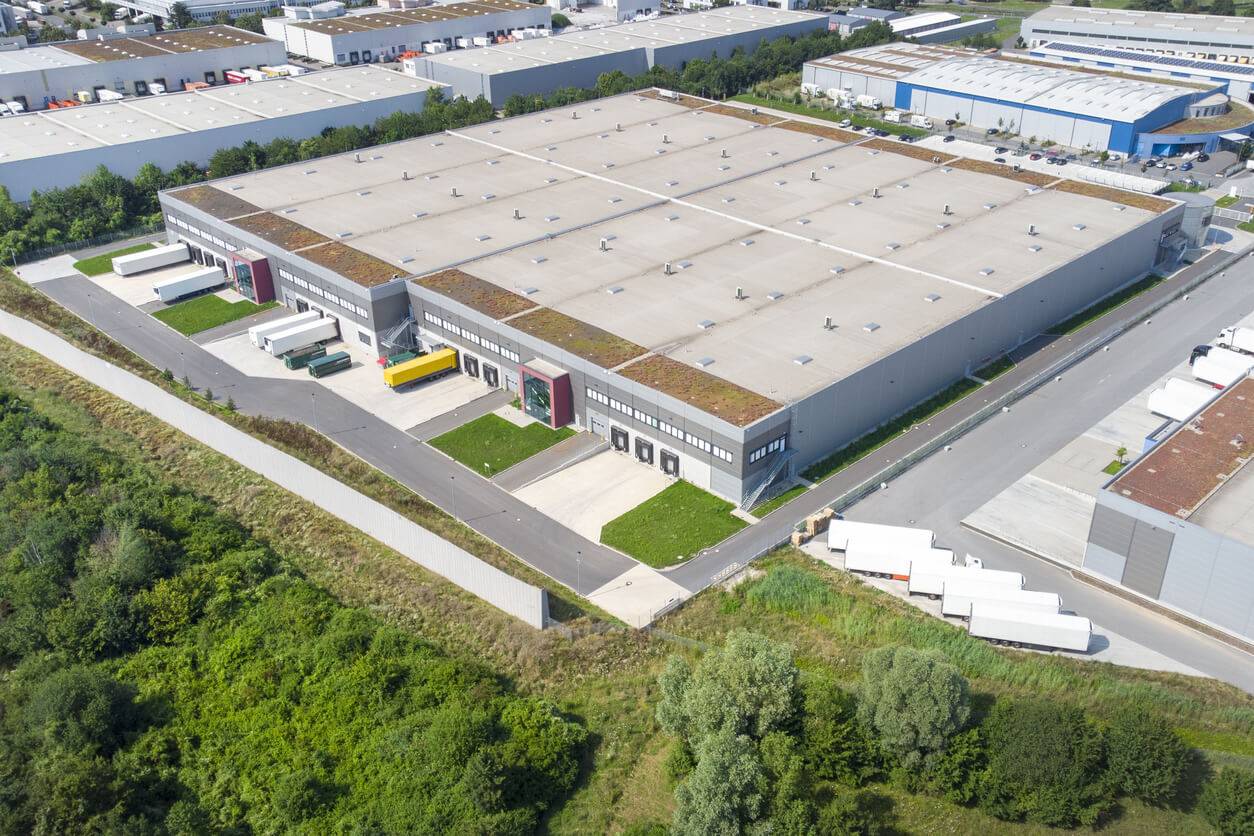
C Spire's regional distribution and operations center in Ridgeland just north of Jackson on I-55 anchors a logistics corridor that serves one of the Deep South's most climatically demanding distribution markets. Jackson Mississippi sits squarely in the heart of the Gulf Coast humidity belt—the metro averages over 56 inches of annual rainfall with the most intense events driven by Gulf moisture surges in late spring and early fall—and the combination of heat humidity UV intensity and periodic severe weather from Gulf-origin storms creates a punishing environment for commercial roofing systems on large warehouse and distribution buildings.
Modified bitumen systems installed on Jackson warehouse buildings in the 1990s and 2000s are reaching the end of their service lives and the replacement market has standardized heavily on TPO. The shift reflects both the energy code advantages of reflective membranes and the operational reality that granule-surfaced modified bitumen systems absorb substantial heat in Mississippi's summers where July high temperatures regularly reach 95°F with dew points above 75°F. A TPO roof in Jackson can reduce peak membrane surface temperature by 60–70°F compared to a dark modified bitumen surface reducing the thermal cycling stress that degrades seams and flashings over time and meaningfully cutting cooling loads for climate-controlled distribution spaces.
Drainage engineering for Jackson warehouse roofs must account for some of the highest rainfall intensities in the continental United States outside of the Gulf Coast barrier islands. The Hinds County National Weather Service records show 100-year 1-hour rainfall intensities approaching four inches driven by slow-moving Gulf moisture systems that can stall over the metro for extended periods. Primary drain systems sized to these regional intensities supplemented by scuppers as overflow protection at parapet walls are essential. Tapered insulation slope data minimum of 1/8 inch per foot to all drain locations prevents ponding that would otherwise accelerate membrane degradation in Jackson's combination of heat and UV.
Dock door and truck court flashing on Jackson tilt-up warehouse buildings must be detailed to withstand both the humidity-driven moisture cycling of the normal Gulf South climate and the pressure differential stresses imposed during severe thunderstorm events which regularly produce sustained winds above 60 mph. Two-part counter flashing systems with mechanically fastened reglets and secondary butyl tape seals provide the combination of moisture resistance and wind resistance appropriate for this market. Annual inspections after the spring severe weather season are essential to identify any flashings loosened by wind events before summer rainfall exploits the opening.
Rooftop equipment on Jackson distribution facilities serving the food processing and agricultural sectors—a significant segment of the local industrial economy—often includes specialized exhaust systems refrigeration condensers and evaporative cooling equipment that create complex rooftop penetration configurations. The condensate drainage from rooftop refrigeration equipment must be managed carefully to prevent it from pooling on the membrane surface or draining over parapet walls where it can stain facades. Proper condensate routing to internal drains or dedicated condensate drain points is standard practice for experienced contractors in the Jackson market.
Mississippi's energy code aligned with ASHRAE 90.1 as adopted by the state requires minimum solar reflectance and thermal emittance for low-slope commercial roofs in Climate Zone 2A. The hot humid conditions of central Mississippi mean that cooling load reduction through high-reflectance membranes is a genuine economic benefit not merely a compliance checkbox. Large distribution operators in the Jackson area have found that energy modeling consistently supports membrane upgrades to higher-reflectance products even when the existing code-compliant membrane is performing adequately from a water tightness standpoint.
Mississippi contractor licensing for commercial roofing is administered by the Mississippi State Board of Contractors which requires a Certificate of Responsibility for commercial construction projects above $50,000. Contractors must demonstrate financial capacity insurance coverage and experience appropriate for their license classification. Jackson's market has historically been served by a combination of large regional contractors based in Memphis and Birmingham and local firms with deep relationships in the Hinds County market and owners benefit from engaging contractors with specific Gulf South experience rather than contractors whose primary expertise is in drier northern markets.
Hurricane and tropical storm preparedness is a real consideration for Jackson warehouse roofs even though the metro is 200 miles inland. Gulf storms that make landfall near the coast often retain wind speeds of 70–80 mph when they reach the Jackson area and the saturation of soils during these events creates roof ponding risk even on well-designed systems if interior drains cannot discharge fast enough. Specifying drain systems with adequate capacity for peak Gulf storm rainfall intensities and ensuring secondary overflow paths are clear and functional are the key preparedness measures for Jackson distribution facility operators.
Preventive maintenance contracts for Jackson warehouse roofs are best structured to include a spring inspection after the severe weather season and a fall inspection before the peak winter moisture period. The spring inspection should address any fastener back-out on mechanically attached systems—Jackson's thermal cycling is severe enough that fasteners can back out slightly each summer cycle—and any seam openings at lap edges that field welding during the original installation may have left slightly underheated.
Keep exploring
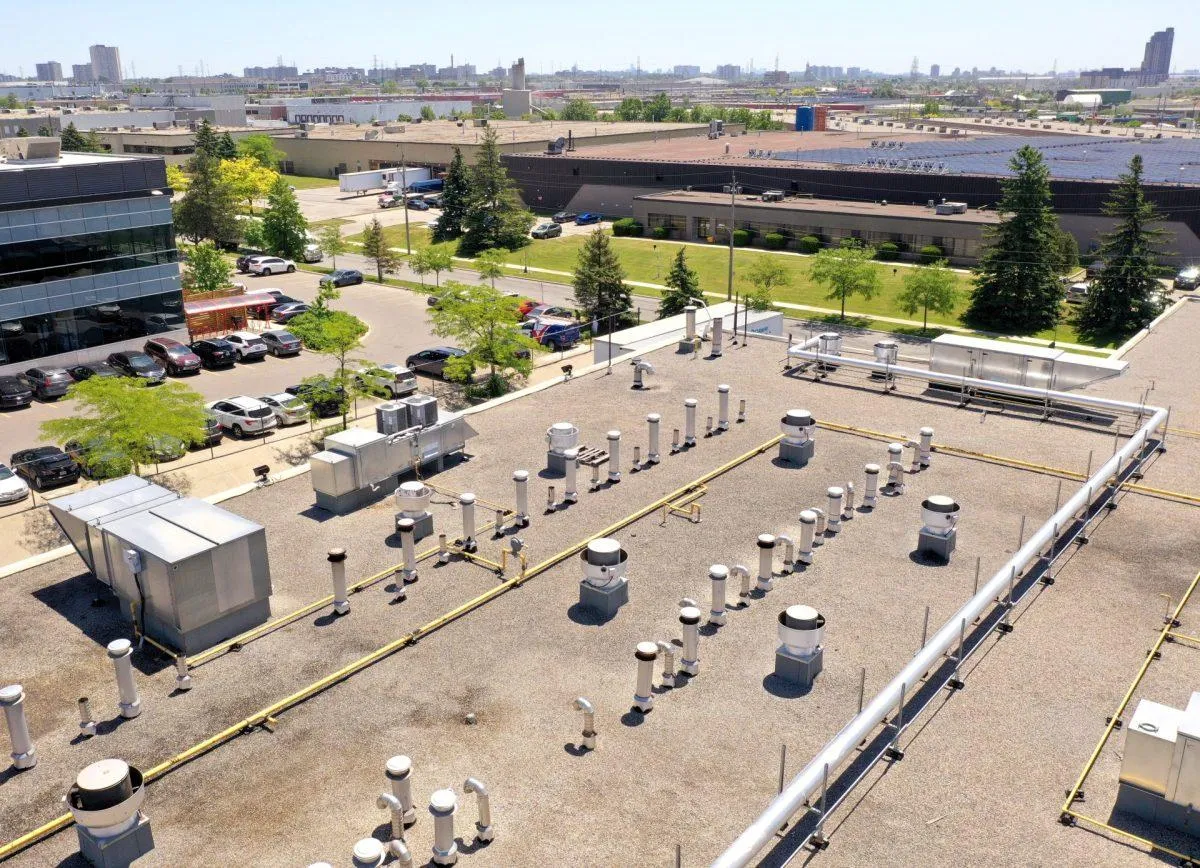
Food Processing Facility Roofing
Roofing for food and beverage processing plants in Jackson, MS. Washdown humidity, refrigeration loads, USDA-acceptable
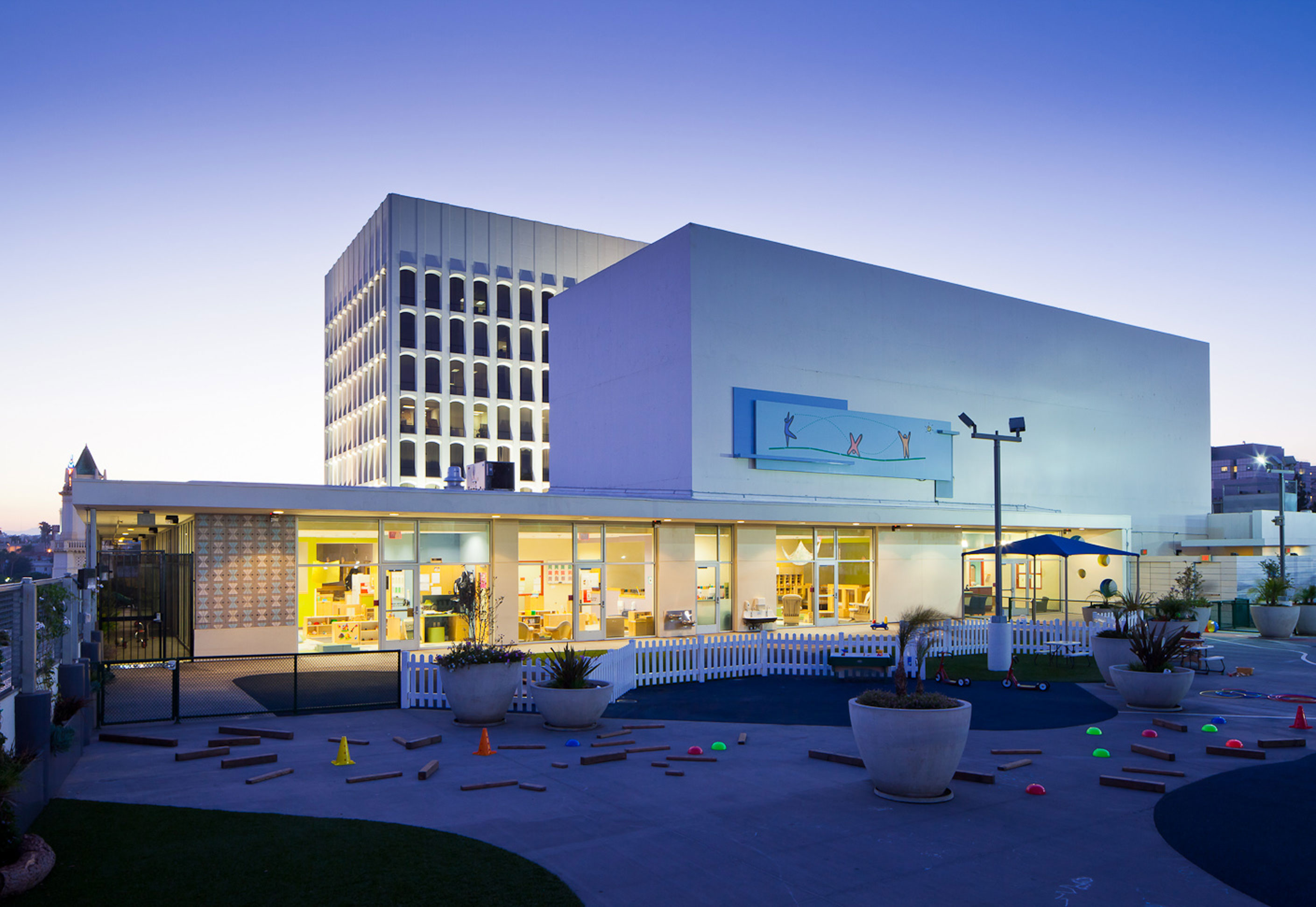
Daycare Childcare Roofing
Commercial roofing for daycare & childcare facility roofing in Jackson, MS — specifications, scheduling, and project
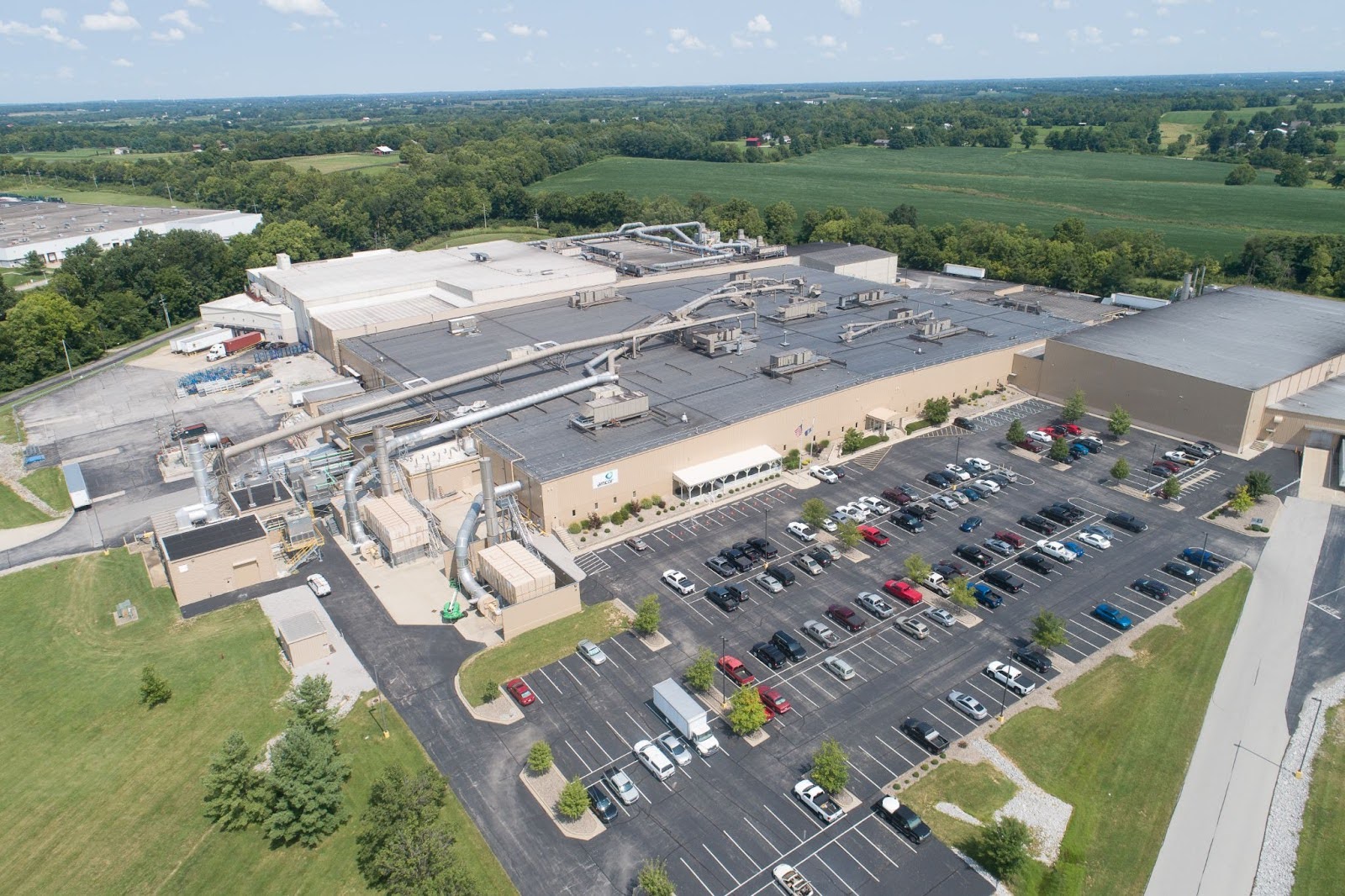
Manufacturing Plant Roofing
Manufacturing Plant Roofing for commercial buildings in Jackson,