
Protect the operation below
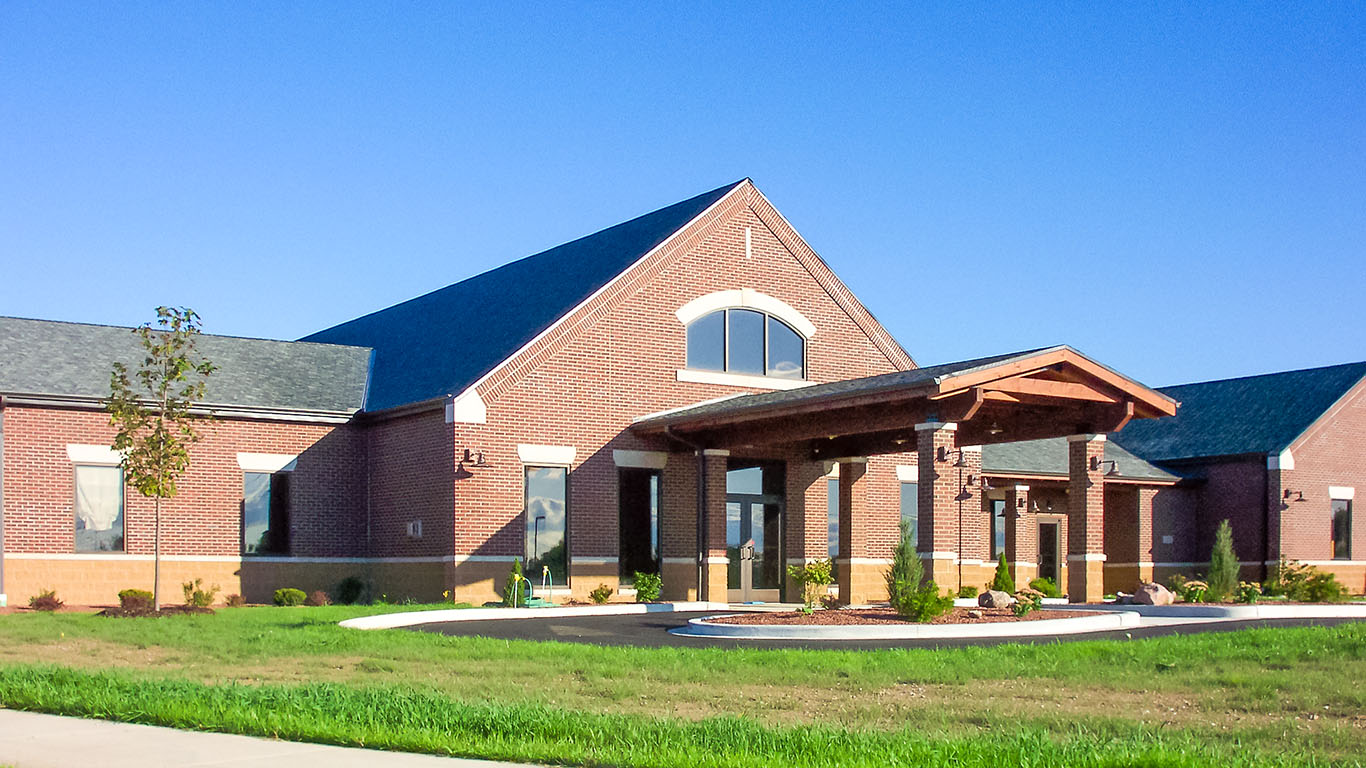
The business case for proactive veterinary facility roofing in Jackson is sharpest for practices that own their building—the roof is a capital asset that protects a physical plant investment that may represent the practice's largest single asset after goodwill. A veterinary hospital that sells or refinances with a deferred roof maintenance situation faces the same valuation discount as any other commercial property: the buyer or lender demands a credit equal to 1.5-2x the estimated replacement cost because they're buying the risk. A practice with a current warranted roof is a cleaner asset at transaction time.
For veterinary practices that lease their facility in Jackson the business case for engaging with the landlord's roofing maintenance program is about protecting the practice from the operational disruption that a failed landlord roof creates. A vet practice that has operated in the same location for 15 years and built its client base around that location faces genuine business risk if a roofing failure forces a temporary closure or a rapid relocation. Proactively maintaining the relationship with the landlord's facility maintenance program—and documenting the practice's requests for roof maintenance in writing—protects the practice's ability to enforce the landlord's repair obligations when they become urgent.
AAHA (American Animal Hospital Association) accreditation includes facility standards that reflect professional assessment of a veterinary hospital's physical plant. A practice seeking or maintaining AAHA accreditation benefits from a documented well-maintained building envelope as evidence that the facility meets the physical plant standards that accreditation requires. Accredited practices typically command premium fees and attract referring practices—and the facility documentation that roofing maintenance provides supports the accreditation case that the physical plant is professionally managed.
Keep exploring
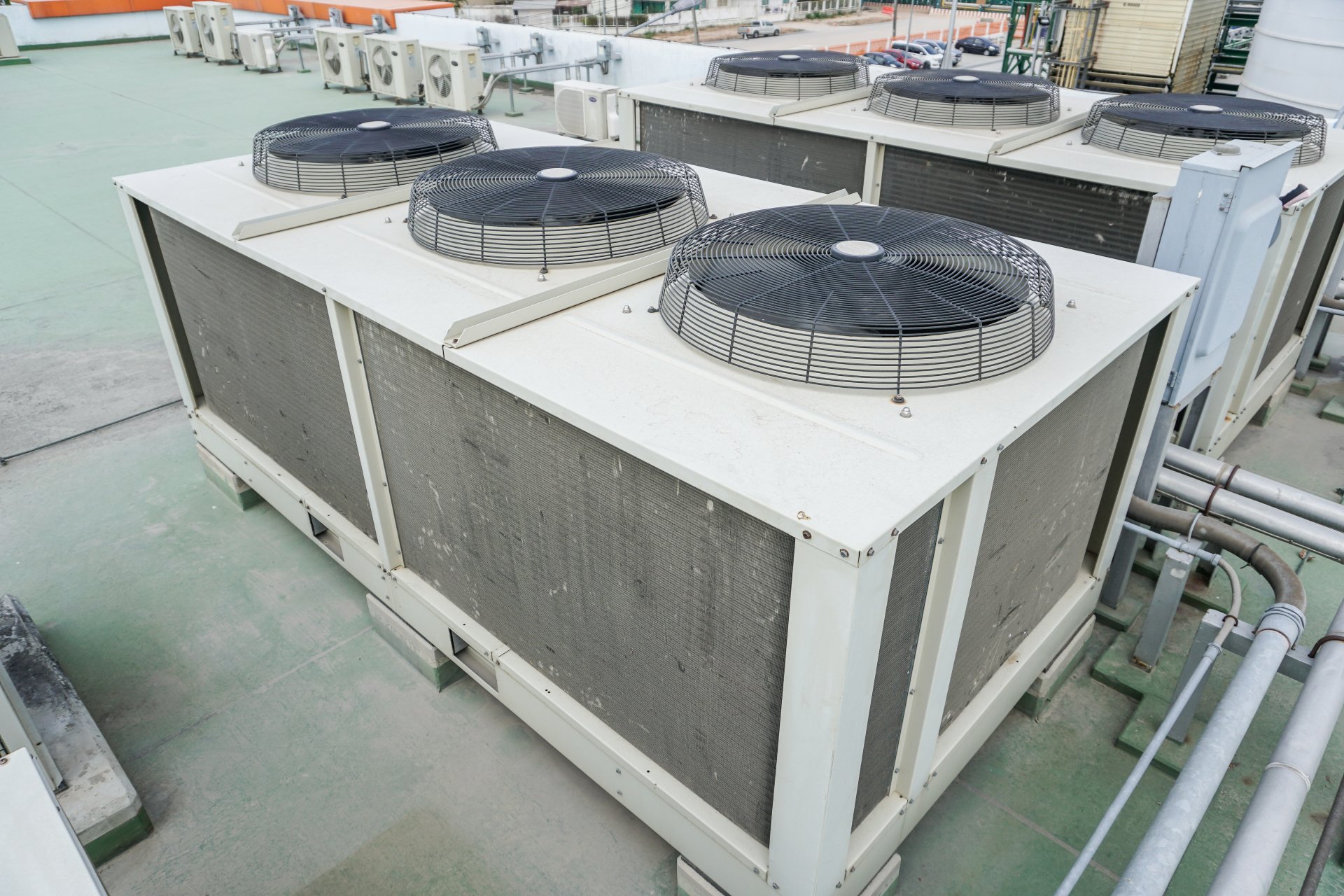
Fast Food Qsr Roofing
Commercial roofing for quick-service restaurant & fast-food roofing in Jackson, MS — specifications, scheduling, and
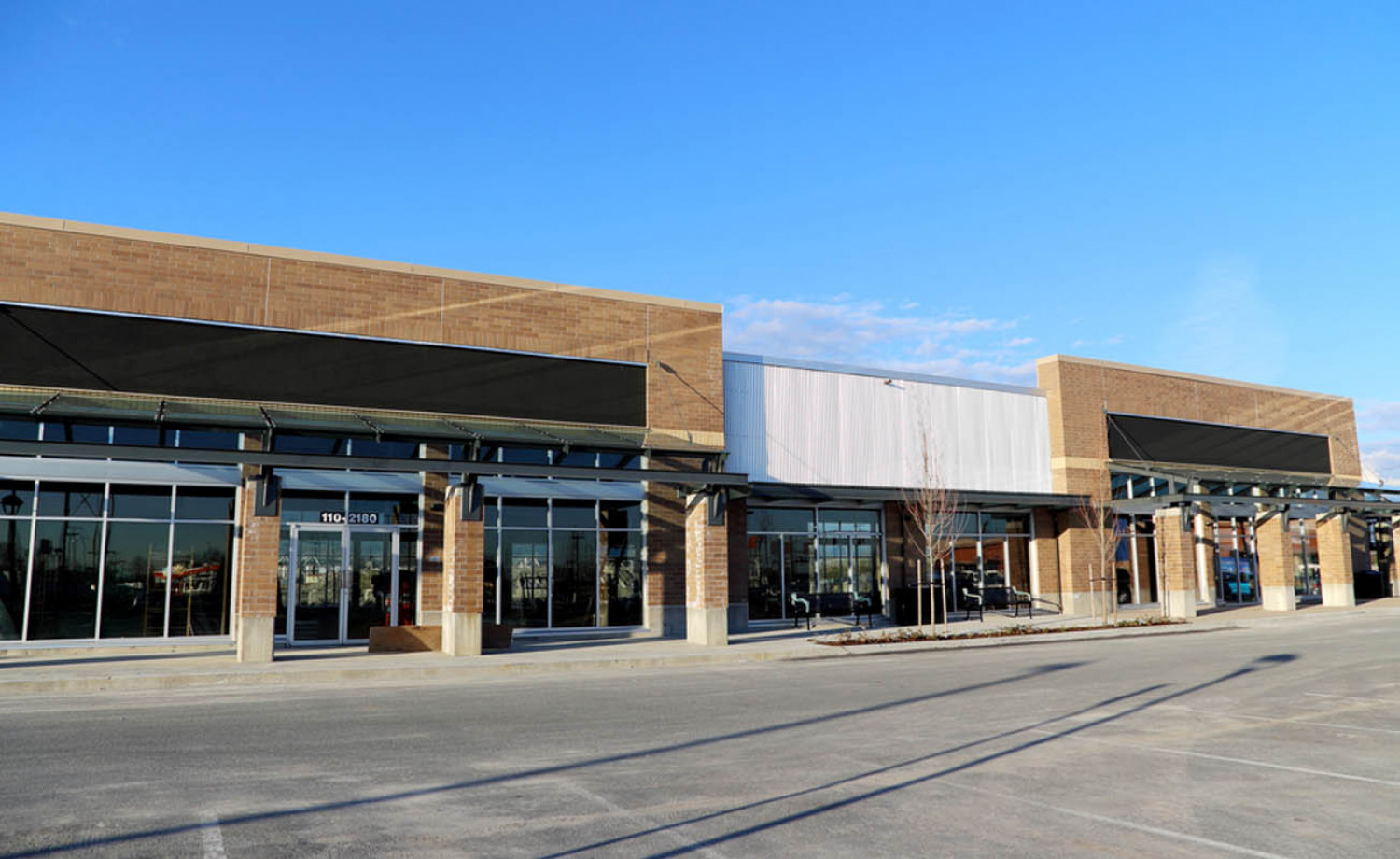
Multi Tenant Retail Strip Roofing
Multi-Tenant Retail Strip Roofing for commercial buildings in Jackson,
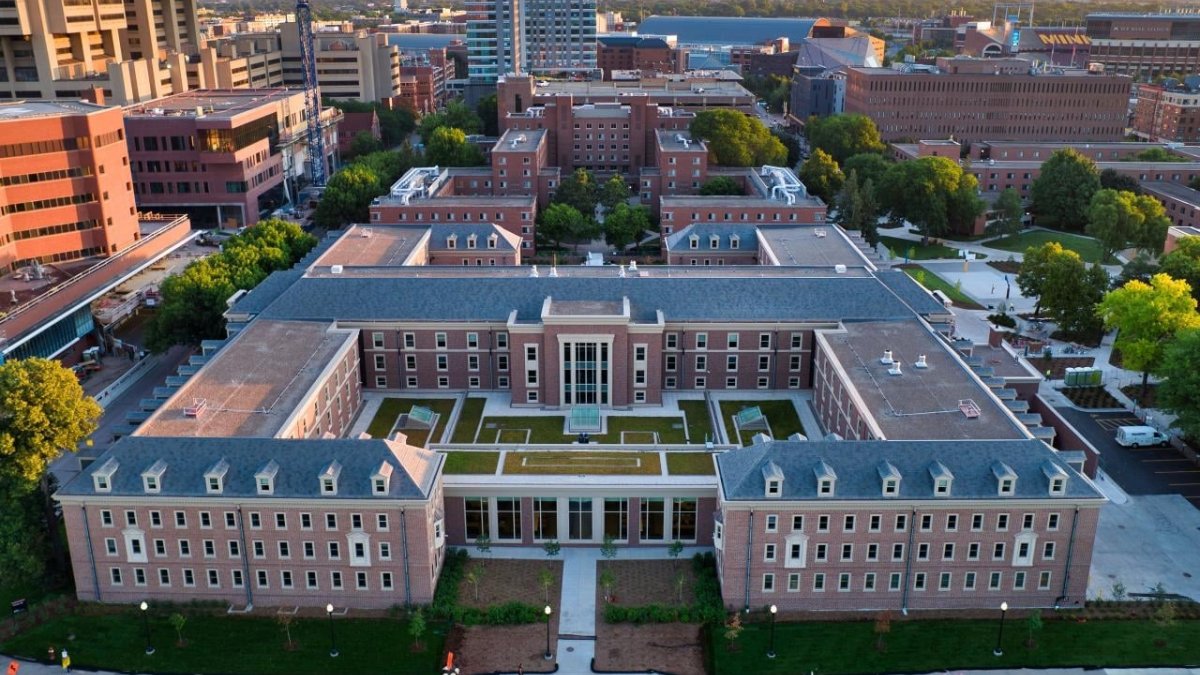
Higher Education Roofing
Higher Education Roofing for commercial buildings in Jackson,