
Document the roof before choosing the scope
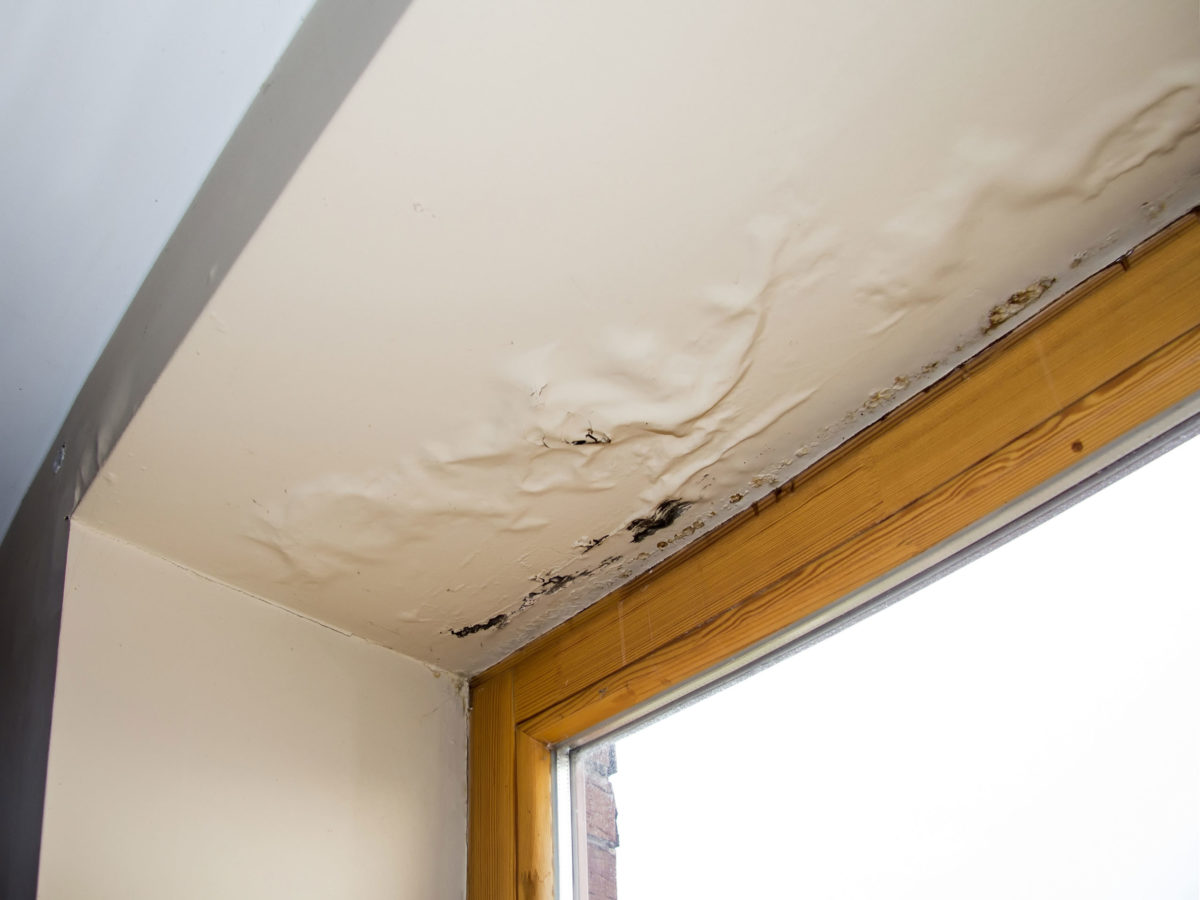
Plenty of the wettest roofs we open up in the Jackson area never let a drop of rain through the top. The water came from inside the building pushed up into the roof assembly by the same thick humid air that sits over central Mississippi for most of the year. From the parking lot the membrane looks fine. Lift the sheet and the insulation is sodden the steel deck is beginning to rust, and the membrane is starting to blister. That is humidity damage and it follows a completely different logic than a storm leak does.
Warm moist air moves toward whatever is colder and drier. In a climate like ours that means water vapor inside a conditioned or process-heavy building drives upward through the deck and into the roof insulation. When that vapor reaches a cooler layer higher in the assembly it condenses back into liquid and simply stays. Buildings that make their own moisture have it worst: commercial kitchens laundries indoor pools food processing lines and any space running high indoor humidity feed vapor into the roof around the clock. We see this on the government and institutional buildings around the downtown civic core on plants out toward Pearl and Flowood and on older office stock along the State Street and Fortification Street corridors where the original vapor control was thin or has long since failed.
You cannot fix what you cannot find and moisture below the surface is invisible from a walkover. Infrared moisture scanning is the right tool. We run a thermal survey after sunset when the contrast peaks: wet insulation holds the day's heat longer than the dry insulation around it and reads warmer on the image. That hands us a map of where the moisture actually is and how far it has spread. Then we confirm it the only truly definitive way with a core cut at flagged spots to physically check the insulation the deck and the position and condition of the vapor retarder.
For any Jackson building that has not had a documented moisture survey in the last few years we recommend one as part of a serious roof assessment. The math is simple: wet insulation caught early is a cut-and-patch repair while the same moisture ignored until it has eaten into the deck becomes a full replacement and a structural conversation.
A vapor retarder only does its job if it is on the correct side of the insulation for the direction the vapor is actually traveling. In our climate with vapor drive running mostly upward off the warm interior the retarder belongs low in the assembly near the deck where it stops vapor before it can reach the cold zone and condense. We regularly find assemblies where the retarder is in the wrong place torn or missing altogether which turns the roof into a moisture trap fighting the building physics instead of working with it. Recovering a new membrane over a misbuilt assembly without fixing the vapor control just rebuilds the same failure on fresh material. We will not do that and we will walk you through why.
We hand you the infrared report alongside a side-by-side cost comparison of repair against replacement so you are deciding with the data in front of you rather than taking our word for it.
Keep exploring
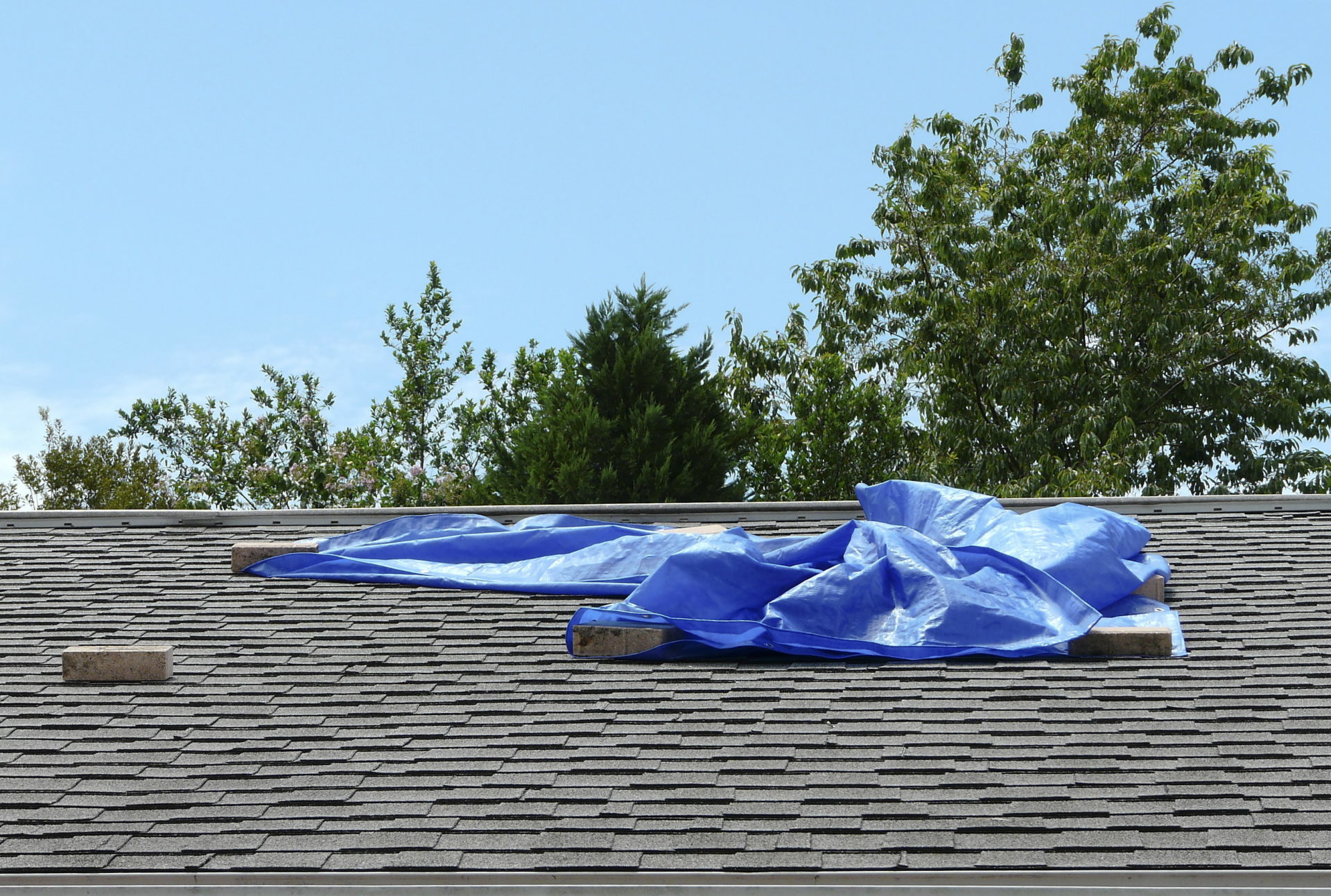
Commercial Roof Leak Repair
Commercial Roof Leak Repair for commercial buildings in Jackson,
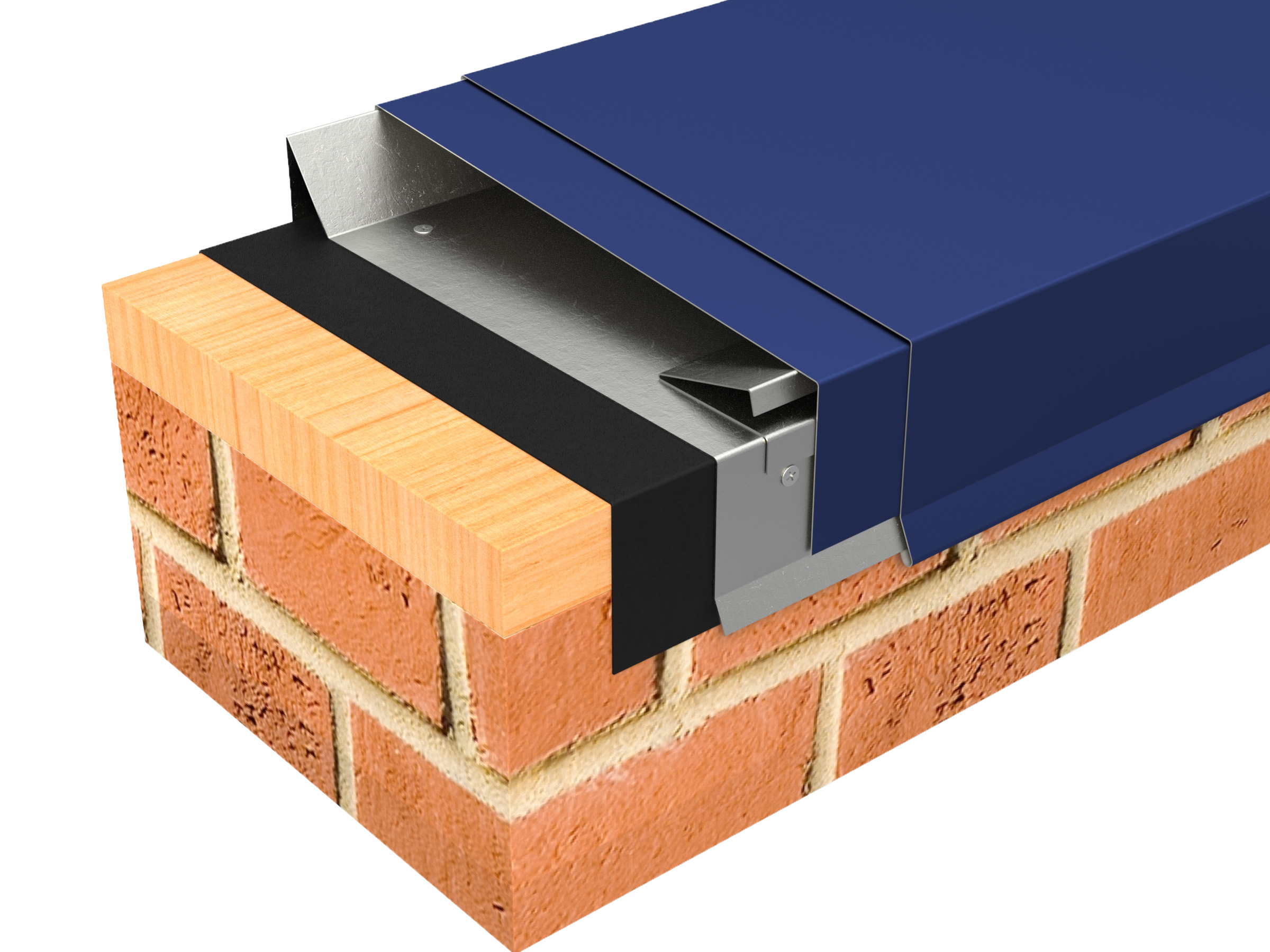
Edge Metal Coping Gutters
Edge Metal Coping and Gutters for commercial buildings in Jackson,

Auto Dealership Roofing
Commercial roofing for auto dealerships, car lots, service centers, and automotive facilities throughout Jackson,