Document the roof before choosing the scope
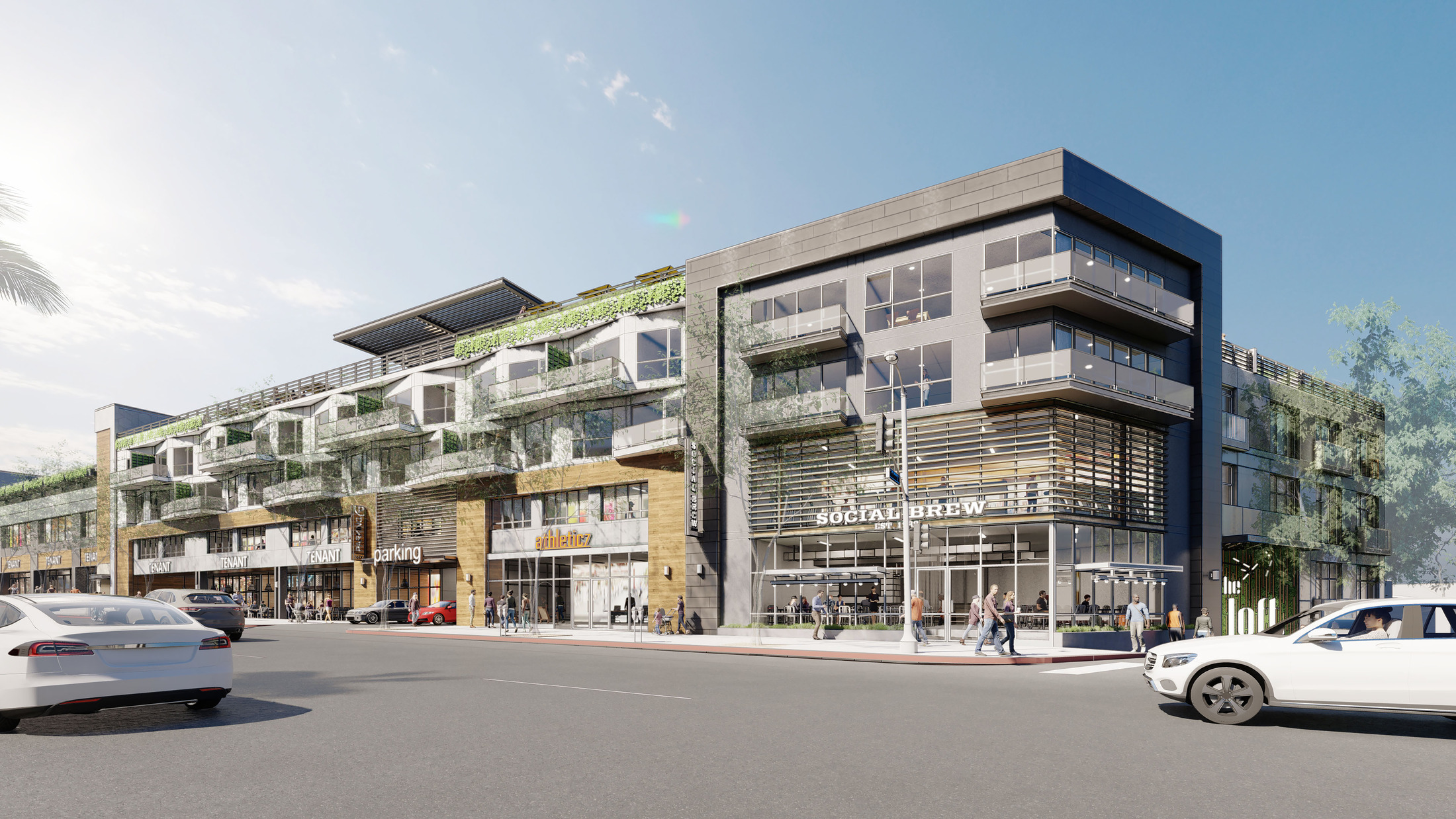
Jackson, Mississippi is in the early stages of a downtown revitalization effort that has gained momentum from a combination of state and federal historic tax credit investment the presence of Millsaps College and Belhaven University drawing young residents to near-campus neighborhoods and the Farish Street Historic District's ongoing recovery from decades of disinvestment. The Fondren neighborhood—Jackson's most successfully revitalized mixed-use corridor—demonstrates what the city's urban fabric is capable of when rooftop restaurants street-level boutiques and upper-floor apartments coexist in well-maintained historic buildings. The Capitol Street corridor and the Smith Park development area are next with mixed-use projects that will test whether Jackson can extend the Fondren model to its downtown core.
Mississippi's climate imposes a demanding set of conditions on every roofing system in the state and Jackson sits squarely in the zone where these conditions are most concentrated. Annual rainfall exceeds 55 inches distributed across a year with no true dry season and intense summer thunderstorm activity. The Gulf Coast's hurricane tracks send weakened tropical systems through Jackson on paths that deliver sustained multi-day rainfall events and the warm humid air that characterizes Jackson's climate from April through October creates a condensation environment that challenges vapor management in roof assemblies year-round. ASHRAE Climate Zone 3A—Jackson's classification—requires specific vapor retarder placement strategies that are poorly understood by contractors more accustomed to the dry South or the Mid-South markets of Tennessee and Kentucky.
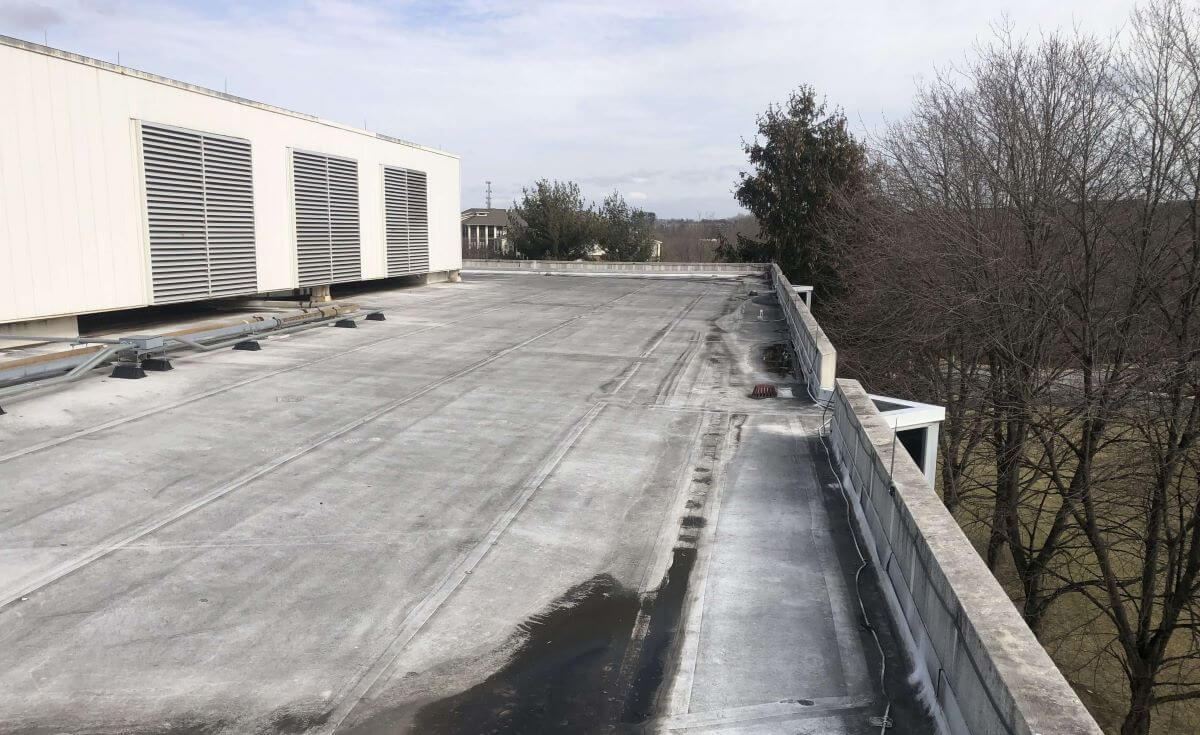
The Fondren neighborhood's mixed-use buildings represent Jackson's existing stock of successfully operating urban commercial and multifamily buildings and they present a common challenge for the commercial roofing contractor:multiple layers of previous roofing systems accumulated over decades of deferred maintenance sitting on original wood or lightweight concrete decks with unknown structural capacity. Before any reroofing project on a Fondren building a core investigation that penetrates the existing assembly to the deck provides the critical data—number of existing layers, deck condition, moisture content within the insulation, and vapor retarder presence—that determines whether a tear-off and replacement or an overlay approach is appropriate. Overlaying a water-damaged existing assembly in Jackson's humid climate is a delayed disaster;moisture trapped beneath the new membrane continues to degrade the existing insulation and deck structure after the new system is installed.
The intersection of retail and multifamily occupancy in Jackson's mixed-use buildings creates a critical fire-separation plane that must comply with Mississippi's adoption of the IBC.The Fondren buildings that have undergone recent renovation for mixed-use occupancy have generally addressed this requirement through their permit process but older buildings being converted for the first time—which is the situation in the Capitol Street area—will need to bring the retail-to-multifamily assembly up to current IBC occupancy separation standards as a condition of the change-of-use permit. This requirement intersects with the roofing contractor's scope when the separation assembly is at the roof level or when the renovation includes a new roof deck at the upper multifamily level that must achieve the required fire rating.
Rooftop amenity spaces in Jackson's mixed-use buildings are less developed than in more affluent urban markets but the premium apartment projects targeting Millsaps and Belhaven graduates and young healthcare professionals at the University of Mississippi Medical Center are beginning to incorporate rooftop terrace and garden features. These amenity spaces in Jackson face the specific challenge of intense summer sun and humidity that accelerates membrane degradation at exposed sections combined with periodic severe thunderstorm events that generate hail and wind. Protected membrane assemblies with pedestal-set pavers provide the best balance of usability and durability for Jackson's climate with drain systems sized for the intense convective storms that the Mississippi summer generates—events that can deliver two to three inches in thirty minutes over the Jackson metropolitan area.
The University of Mississippi Medical Center on Jackson's westside is driving mixed-use development in adjacent neighborhoods as the healthcare workforce seeks urban living near the campus. These buildings face a specific operational context:UMMC's 24-hour operations mean that the surrounding neighborhood never fully quiets and reroofing projects near the campus must be sensitive to the acoustic environment of a hospital campus where some windows face active medical floors. Pre-construction coordination with UMMC's facilities management combined with acoustic impact assessment at hospital windows near the construction zone establishes the noise constraints that should govern the roofing schedule—not as a bureaucratic requirement but as genuine professional courtesy to an institution whose operations affect patient care.
Jackson's economic context means that mixed-use building owners are working with tighter capital budgets than their counterparts in Nashville or Atlanta which creates pressure to value-engineer roofing specifications in ways that increase long-term risk. The temptation to specify 45-mil TPO to save $0.30 per square foot over the 60-mil specification appropriate for Jackson's climate is real but the $15,000 savings on a 50,000-square-foot roof is a poor trade against the $50,000 to $100,000 cost of early membrane replacement when a lighter gauge fails under hail or UV stress within five years. Jackson's commercial roofing market includes contractors who will enthusiastically propose the lighter specification to win the bid;owner advisors who understand this dynamic help owners resist the false economy of minimum-specification systems in a demanding climate.
Green infrastructure initiatives in Jackson have gained relevance following the city's water system failures that drew national attention in 2022 and the broader recognition that Jackson's infrastructure investment has lagged for decades. Green roofs and cistern systems integrated with rooftop drainage on mixed-use buildings in the Fondren and Capitol Street areas can reduce the storm water runoff volume that stresses the city's combined sewer system during heavy rain events. The Jackson Department of Public Works has expressed interest in working with private building owners on storm water management improvements and mixed-use developers who incorporate green roof or cistern elements into their projects may find a receptive partner in the city's infrastructure recovery planning. The storm water benefit is real and quantifiable;the relationship-building value with a city actively seeking infrastructure investment partners is also meaningful.
Long-term maintenance for Jackson's mixed-use roofs requires a discipline that goes beyond the annual inspection cadence common in more mature markets because the consequences of deferred maintenance in Jackson's humid climate accelerate faster than in dry or cold climates. Semi-annual inspections—spring and fall—that document membrane condition parapet cap joints and interior drain performance give building owners the data to make proactive repair decisions before water infiltration into occupied spaces creates the tenant relations and liability consequences that characterize neglected mixed-use buildings. Jackson's thinly capitalized mixed-use building stock benefits more from consistent semi-annual inspections than from expensive annual inspections that identify damage that has already progressed to the point of requiring major remediation.