
Document the roof before choosing the scope
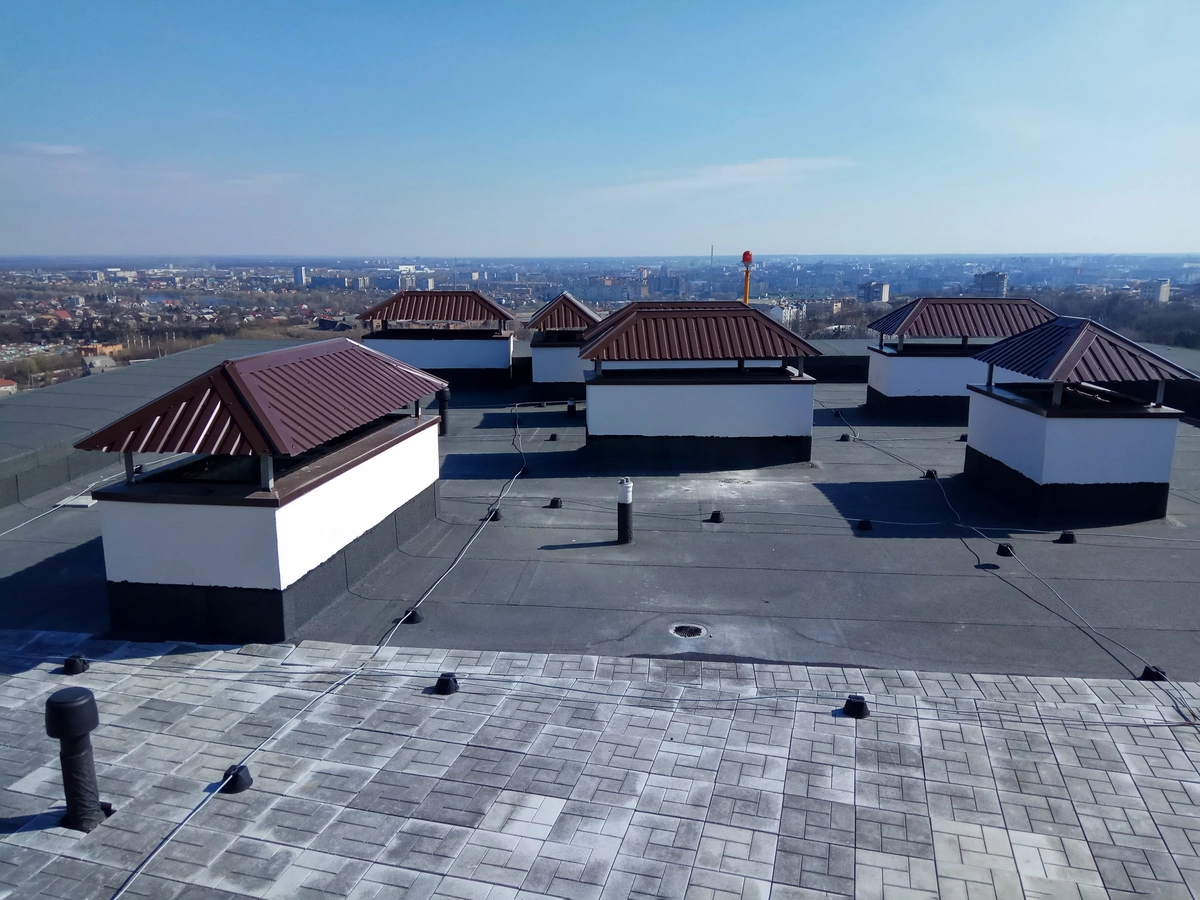
Entergy Mississippi's corporate headquarters on Lakeland Drive in Jackson anchors the city's Class A office market which is concentrated along the I-55 north corridor in Ridgeland and Madison County and in the Lakeland Drive/Meadowbrook Road business district. Jackson's office market serves the state government healthcare utility and professional services sectors that anchor Mississippi's capital city economy and commercial roofing work on occupied Jackson office buildings requires navigating one of the most climatically demanding environments in the continental United States—hot humid summers significant annual rainfall and the occasional severe weather event that the Gulf South routinely delivers.
Occupied-building protocols for Jackson office re-roofing must account for Mississippi's climate which provides a relatively narrow comfortable work window before summer heat becomes a workplace safety concern. April through June and September through November are the preferred working seasons though the Gulf South's unpredictable weather can compress these windows with late-spring storms or early-fall heat returns. Contractors working on occupied Jackson office buildings maintain emergency weather protocols that allow rapid securing of open-deck areas and daily weather monitoring with defined storm approach responses is standard practice in a state where afternoon thunderstorms can develop with 30-minute warning during the warm months.
Aesthetics for Jackson Class A office buildings along the I-55 north corridor reflect the suburban corporate campus style that dominates the market where visible parapet coping consistent membrane appearance and well-designed equipment screening contribute to the professional image that financial services healthcare and utility tenants expect from their facilities. Government and utility tenants in Jackson office buildings are less likely to demand LEED certification than their counterparts in more sustainability-focused markets but they do expect evidence of proper building maintenance that extends useful service life and supports responsible public asset management.
Multi-RTU coordination on Jackson office buildings must account for the city's year-round cooling demand. Mississippi's climate means that air conditioning is required for nearly ten months of the year and RTU sequencing during re-roofing cannot follow the northern market convention of performing major HVAC work during mild fall or spring windows when temporary cooling is not urgently needed. Even October in Jackson can require cooling on warm afternoons and the re-roofing contractor must develop a sequencing plan that maintains adequate cooling for all occupied zones throughout the project duration regardless of seasonal timing.
Mississippi energy code compliance for Jackson office re-roofing aligns with the state's adoption of ASHRAE 90.1 which applies minimum solar reflectance and thermal emittance standards for low-slope commercial roofs in Climate Zone 2A.The hot humid conditions that characterize Jackson's climate make the energy case for high-reflectance membranes particularly compelling—the cooling load reduction from white TPO compared to dark modified bitumen is measurable on every operating day from April through October providing genuine utility cost savings that building owners can quantify and share with tenants as evidence of building improvement investment.
Reflective membrane selection for Jackson office buildings is straightforward from an energy standpoint. The climate's heavy cooling dominance means that the marginal heating penalty from reduced solar absorption during the short Mississippi winter is negligible compared to the extensive cooling benefits of a high-reflectance surface. Building energy models for Jackson office properties consistently show that high-reflectance TPO or modified bitumen with aluminum coating provides positive lifecycle energy economics in this climate zone supporting the investment in premium membrane specification.
Lease renewal protection for Jackson office buildings involves demonstrating professional asset management to state government healthcare and utility tenants that evaluate their facilities with institutionalized facilities management standards. A documented re-roofing project with manufacturer warranty coverage energy improvement evidence, and a clean maintenance history positions building owners favorably in lease renewal discussions. Government agency tenants in Jackson typically have formal facilities evaluation checklists, and a current warranted roof system is a positive checklist item that reduces the leverage available to a tenant seeking rent concessions.
Mississippi contractor licensing requires a Certificate of Responsibility from the Mississippi State Board of Contractors for commercial construction projects above $50,000. Jackson's commercial roofing market is served by a combination of local contractors and regional firms based in Memphis and Birmingham and building owners should verify current Mississippi Certificate of Responsibility status before engaging any contractor. Insurance requirements for Jackson Class A occupied office buildings typically run $2 million in commercial general liability with $5 million umbrella coverage expected for large multi-floor occupied buildings.
Jackson's office market has experienced challenges from suburban migration and work-from-home trends creating pressure on building owners to invest in capital improvements that differentiate their assets in a competitive market. Roofing improvements that eliminate deferred maintenance improve energy performance and support green building narratives serve as leasing tools in a market where tenants have choices and are evaluating buildings with increasing rigor. Contractors who can provide professional project documentation energy savings quantification, and clear warranty communication support the building owner's marketing efforts beyond the purely technical scope of roofing services.
Keep exploring
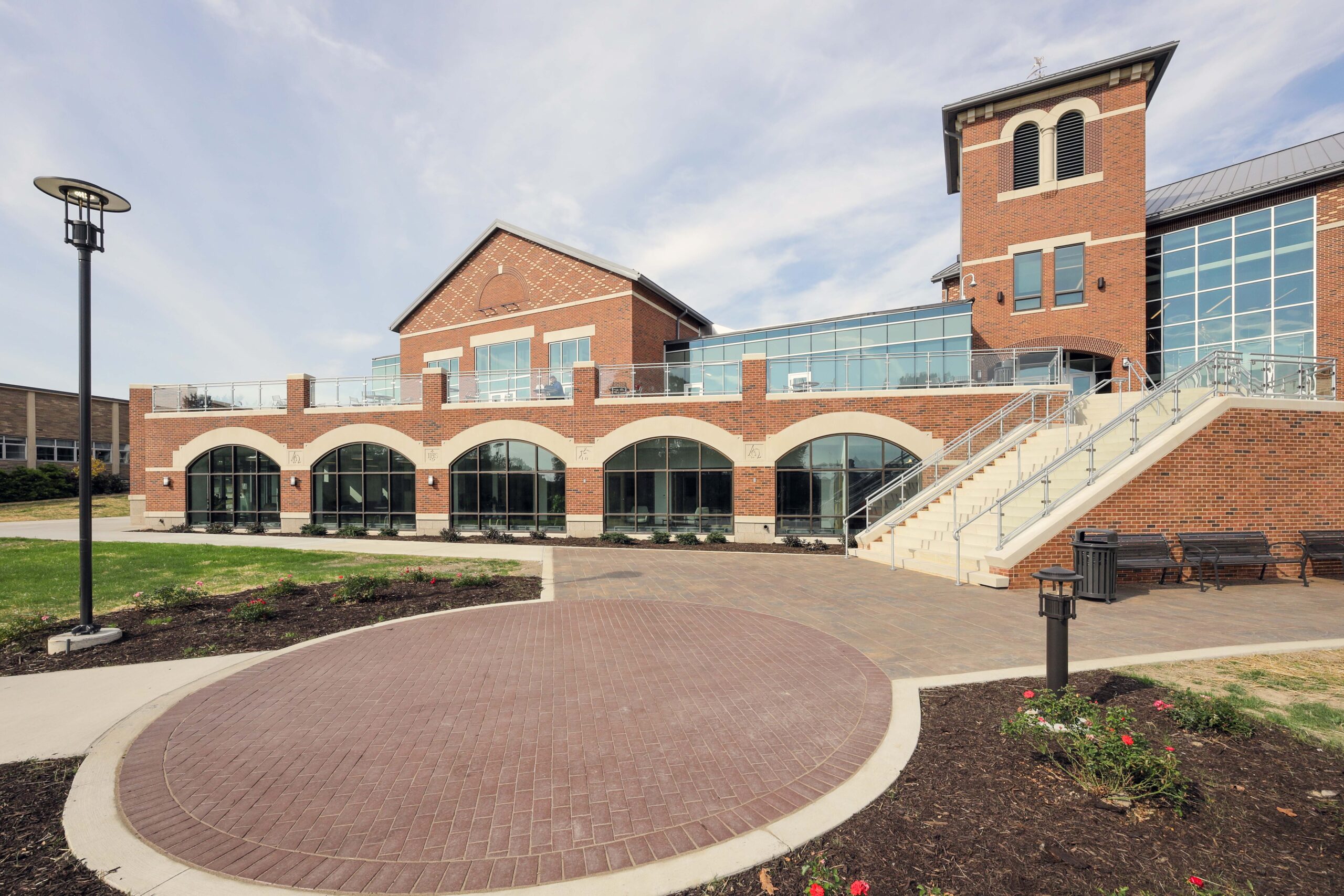
University Campus Roofing
Commercial roofing for university buildings, dormitories, academic halls, and college campuses throughout Jackson,
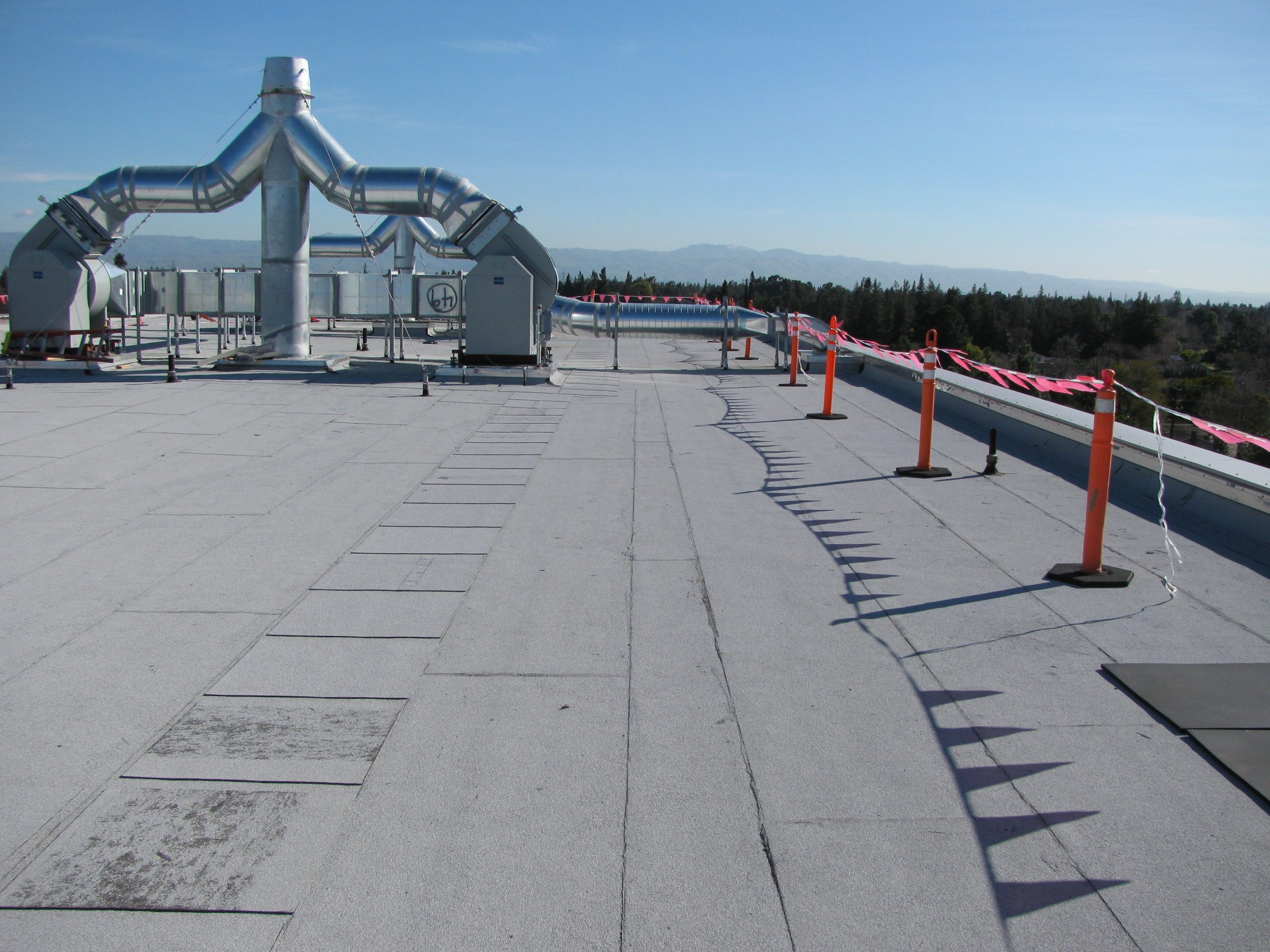
Occupied Building Reroofing
Occupied Building Re-Roofing for commercial buildings across Jackson
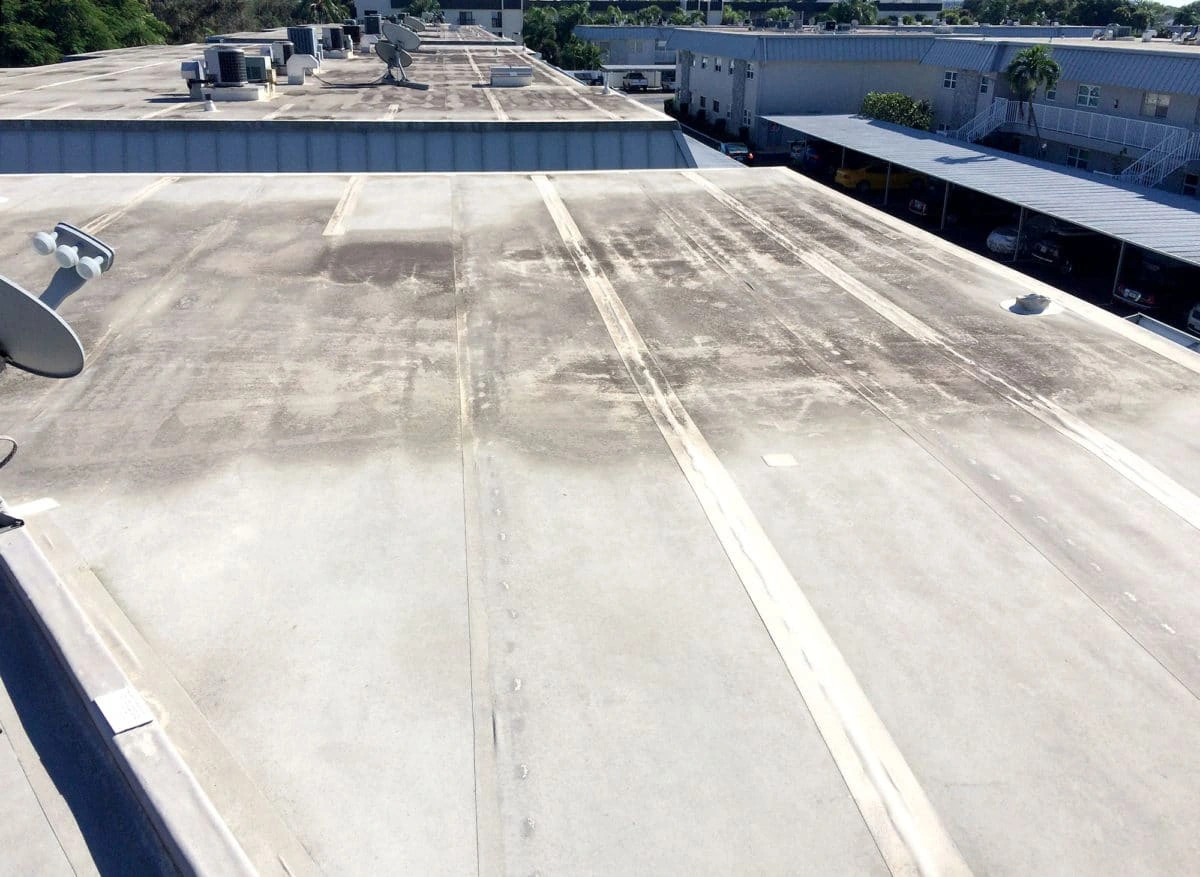
KEE Single Ply Roofing
KEE Single-Ply Roofing for commercial buildings in Jackson,