
Document the roof before choosing the scope
Jackson's restaurant landscape spans from the locally beloved meat-and-three institutions anchoring neighborhoods across Hinds County to the growing concentration of national QSR brands along I-55 and the Flowood commercial corridors with the Fondren arts district adding an independent dining culture that's brought new investment to the city's central neighborhoods. The food service economy here is diverse and the buildings that house it reflect Jackson's varied commercial history—strip centers from the 1970s along State Street newer pad-site developments near the Dogwood Festival Market area and converted historic structures in Belhaven and Fondren. Every one of those buildings carries a commercial roof over an active kitchen and Mississippi's climate makes every one of those roofs a serious maintenance obligation.
Mississippi's heat and humidity combination is among the most demanding roofing environments in the contiguous United States. Jackson summers deliver weeks of heat indices above 105°F and the Gulf moisture that pushes northward through the state keeps relative humidity at 80 percent or above during those same periods. For flat commercial roofing membranes that combination means sustained UV loading on surfaces that are also chronically damp from condensation and morning dew. Biological growth—algae and mold—establishes faster in Jackson than in most other markets, and it colonizes any rooftop surface where standing water or grease contamination provides a growth medium. Annual inspection and cleaning of rooftop membrane surfaces isn't optional in this climate;it's the baseline standard for managing membrane life expectancy.
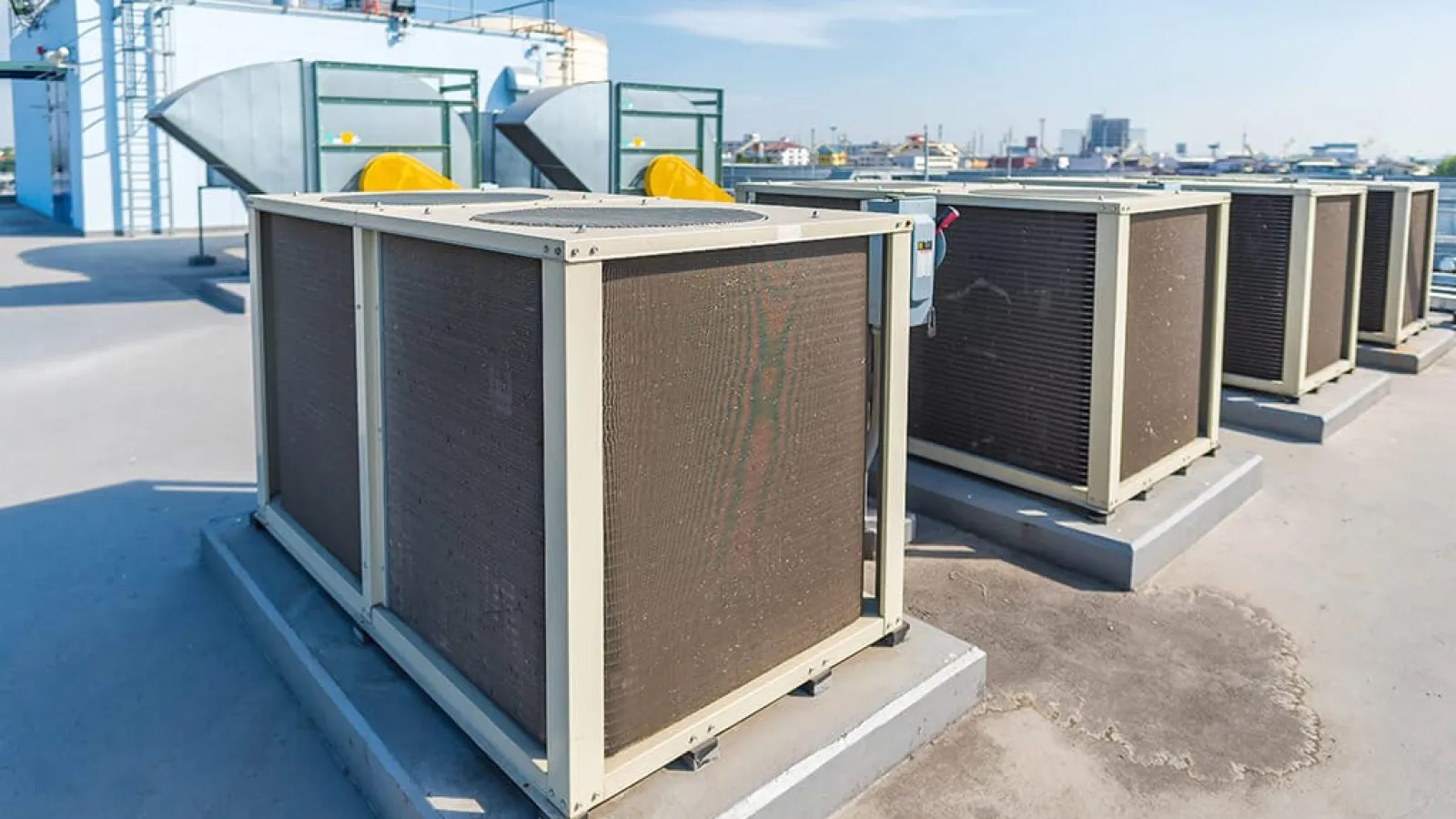
Grease exhaust penetrations are where the greatest concentration of roofing damage occurs in Jackson's food service buildings. The kitchens serving the Fondren restaurant community and the high-volume chains along I-55 run cooking equipment through long service days and the saturated exhaust those kitchens push through rooftop curbs carries both grease vapor and significant moisture load. At Jackson's ambient temperatures that moisture doesn't cool rapidly at the exhaust exit point which means grease-and-moisture accumulation at the curb base is more concentrated than in a northern market. Biological growth establishes in that accumulation zone adding another degradation mechanism to the grease infiltration that's already working into any membrane seam gap. Properly heat-welded PVC or TPO flashing at every exhaust curb cleaned annually as part of the kitchen hood maintenance cycle is the standard that keeps Jackson restaurant roofs functional between major maintenance events.
Walk-in coolers in Jackson restaurant buildings create a moisture management challenge that's amplified by the region's year-round heat. The thermal differential between a refrigerated cooler box and a Jackson rooftop in August—where surface temperatures on dark membranes can exceed 160°F—is extreme and it drives condensation into any roof insulation assembly without a properly positioned vapor retarder. Jackson's older commercial building stock along State Street and in the Fondren neighborhood frequently has roofing assemblies where vapor barriers were either absent or incorrectly positioned during original construction or a subsequent re-roofing cycle. The result is insulation that's been absorbing moisture for years compressing R-value fostering biological growth inside the assembly and slowly corroding the metal deck below. Infrared scanning during a pre-re-roofing assessment is the most reliable way to identify the extent of this damage before committing to a project scope.
The brewery and craft beverage scene in Jackson remains modest compared to larger metro markets but the taprooms operating in Fondren and the new commercial developments near Highland Village represent the kind of specialized roofing load that general contractors without food and beverage experience consistently underspec. Steam exhaust from brewing kettles combined with Jackson's heat and humidity creates aggressive condensation at rooftop stacks that doesn't dry between batches the way it does in cooler drier markets. Biological growth in condensate drainage paths on the membrane surface is a Jackson-specific issue that needs to be addressed through proper stack design adequate exhaust velocity and drainage details that don't allow condensate to pool on the membrane surface.
Jackson's QSR concentration along the I-55 corridor and near the Northpark Mall area represents a significant inventory of franchise buildings that cycle through prototype remodels every seven to ten years. Each remodel adds new penetrations new HVAC equipment and updated kitchen ventilation systems that punch through existing roof membranes. Mississippi requires a licensed roofing contractor for commercial roofing projects and franchise operators in the Jackson market who allow general contractors to self-perform roofing work as part of a remodel scope sometimes find that the penetration details don't meet the food service standard. The failures that result—grease infiltration at improperly flashed exhaust curbs—typically emerge within two monsoon seasons and require corrective work that's more expensive than getting the detail right during the remodel.
Tornado and severe storm risk in Central Mississippi means Jackson restaurant roofs need more than basic membrane performance—they need perimeter edge conditions and mechanical attachment systems rated for the wind uplift that Mississippi's severe weather season can generate. The spring severe weather window in Hinds County produces straight-line winds and occasionally tornado events that test every vulnerable connection on a flat commercial roof. Parapet wall flashings equipment curb bases and perimeter edge terminations that aren't properly secured are the most common failure points in wind events and they're also the most common details that low-bid contractors cut corners on. Mississippi building code wind uplift requirements are a minimum, not a target for restaurant buildings in the Jackson metro.
Health code compliance in Mississippi is administered through the Mississippi State Department of Health which regulates food service establishments statewide. Roofing-related moisture intrusion—ceiling staining active drips in food preparation areas mold presence in storage areas—has been documented as a citation condition in Mississippi food service inspections. Jackson restaurant operators who maintain proactive roofing maintenance records are in a better compliance posture than those who wait for a visible failure to prompt action. The connection between a degraded rooftop exhaust curb flashing and a ceiling moisture condition that triggers a health department response is a well-established path that annual inspections interrupt before it completes.
Minimizing kitchen downtime during a roofing project in Jackson is a priority that experienced Mississippi roofing contractors already understand. The locally owned restaurants in Fondren and Belhaven operate on margins that don't accommodate multi-day service interruptions and the franchise operations along I-55 have brand standards that include construction staging requirements. Experienced contractors build phased work schedules around kitchen operating hours perform the most disruptive tear-off phases during early morning or overnight windows and use induction welding or cold-adhesive installation methods near active kitchen areas. A contractor who has documented experience on food service buildings in the Jackson market will already be managing these constraints without being prompted.
Keep exploring
Government Building Roofing
Commercial roofing for city halls, courthouses, fire stations, police stations, and public facilities throughout
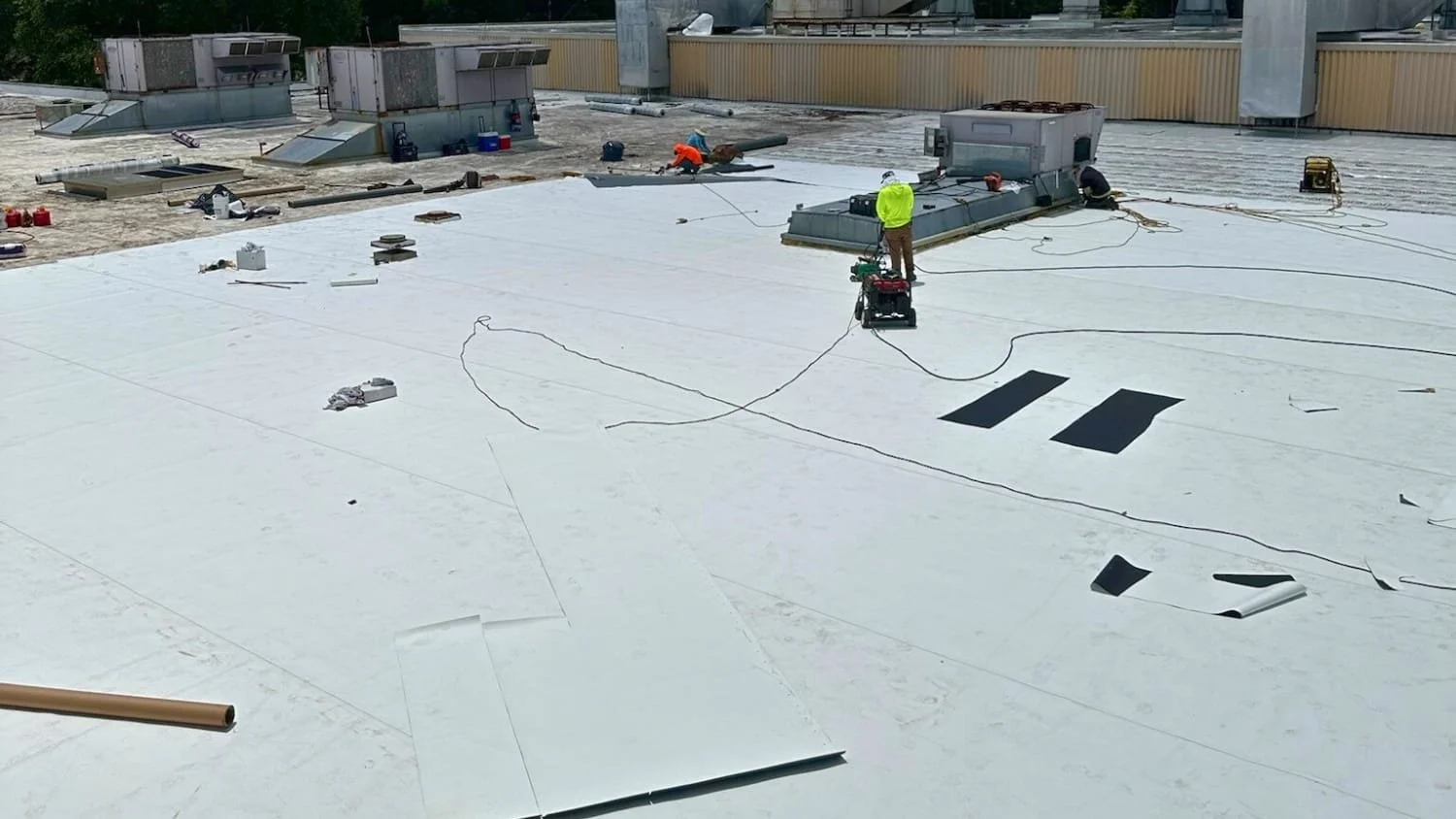
TPO Single Ply Roofing
TPO Single-Ply Roofing for commercial buildings in Jackson,
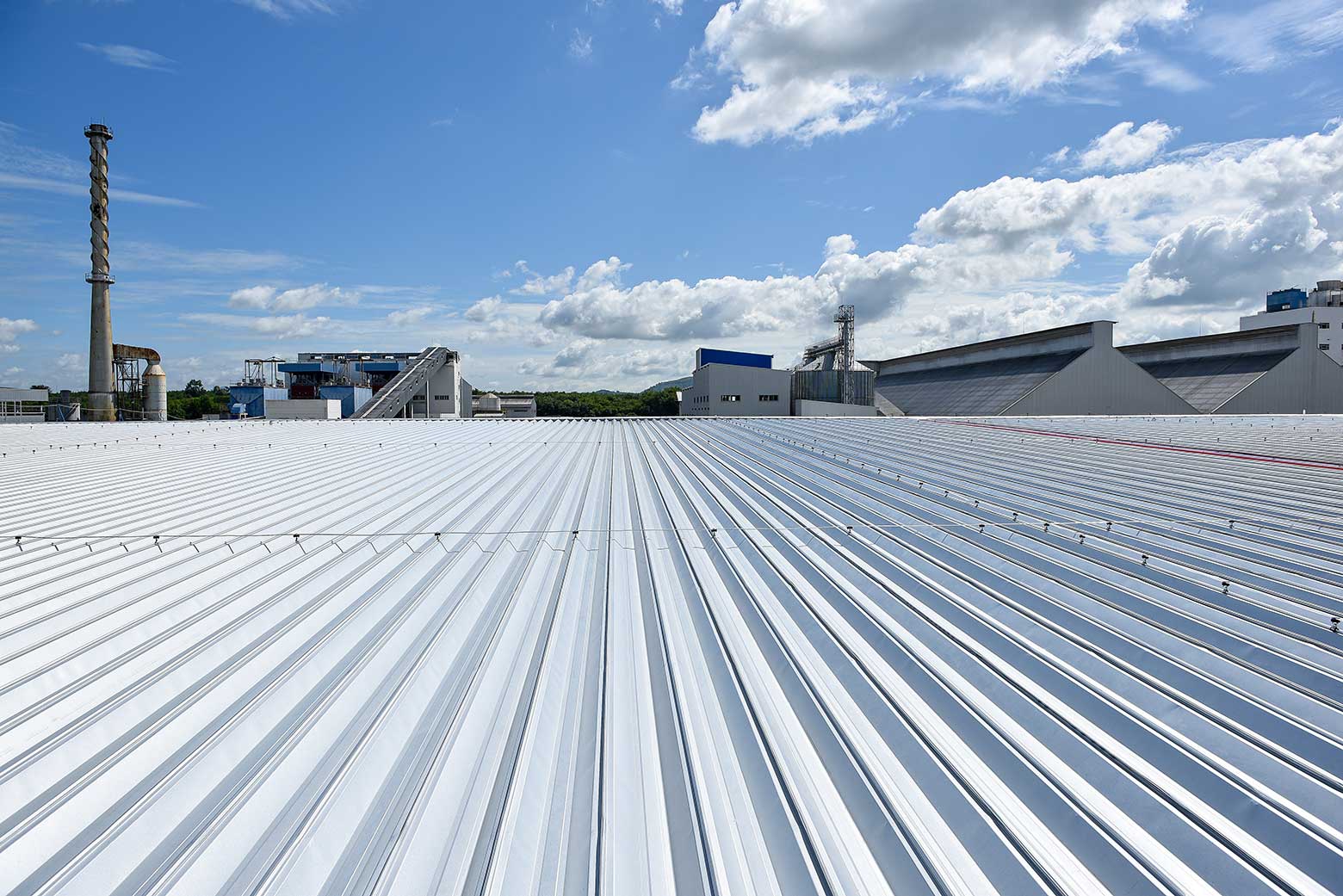
Standing Seam Metal Roofing
Standing Seam Metal Roofing for commercial buildings in Jackson,