One agreement across every roof you manage
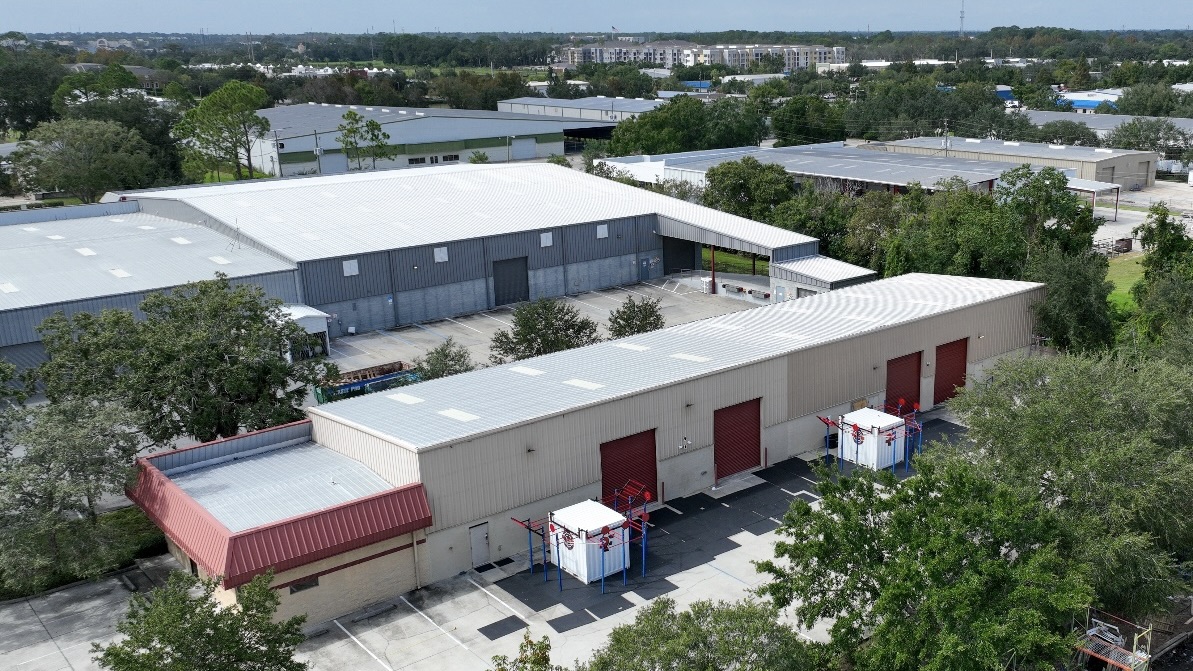
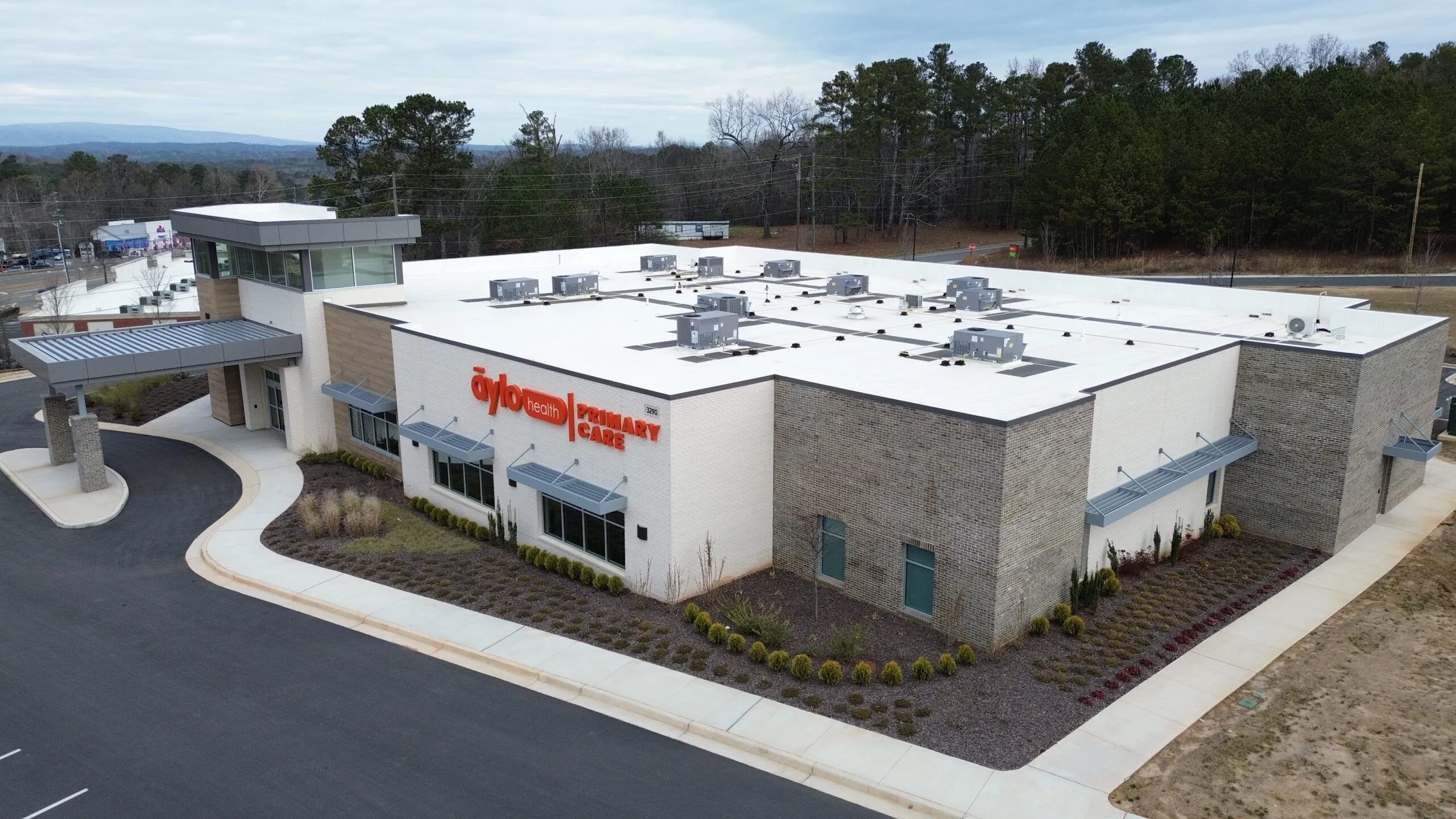
If you manage a handful of properties around the Jackson metro — an office park in Ridgeland, strip retail along County Line Road, a warehouse off I-20 — you already know the problem isn't any single roof. It's the overhead of running five of them: five vendors, five invoice formats, five versions of "we'll get someone out there." A service agreement collapses that into one relationship with one accountable crew.
Under the agreement, every roof in your portfolio gets two scheduled rooftop service visits per year, worked as a route rather than as one-off appointments. Buildings near each other are serviced the same week, tenants get notice from one office, and you get one schedule you can forward to ownership instead of a stack of separate confirmations. The visit calendar follows the weather that actually stresses roofs here: one round ahead of the spring storm season, when wind-driven rain finds every unsealed lap, and one after the worst of the summer heat, when months of UV and thermal movement have opened sealant joints and dried out pitch pans.
The point of contact is literal. One person holds your account, knows which building has the cranky drain and which tenant needs a full day's notice, and answers the phone when something leaks. Work orders, photos, and invoices all flow through that channel, formatted the same way for every property, so your monthly report to ownership takes minutes instead of an afternoon.
What one agreement covers, building by building
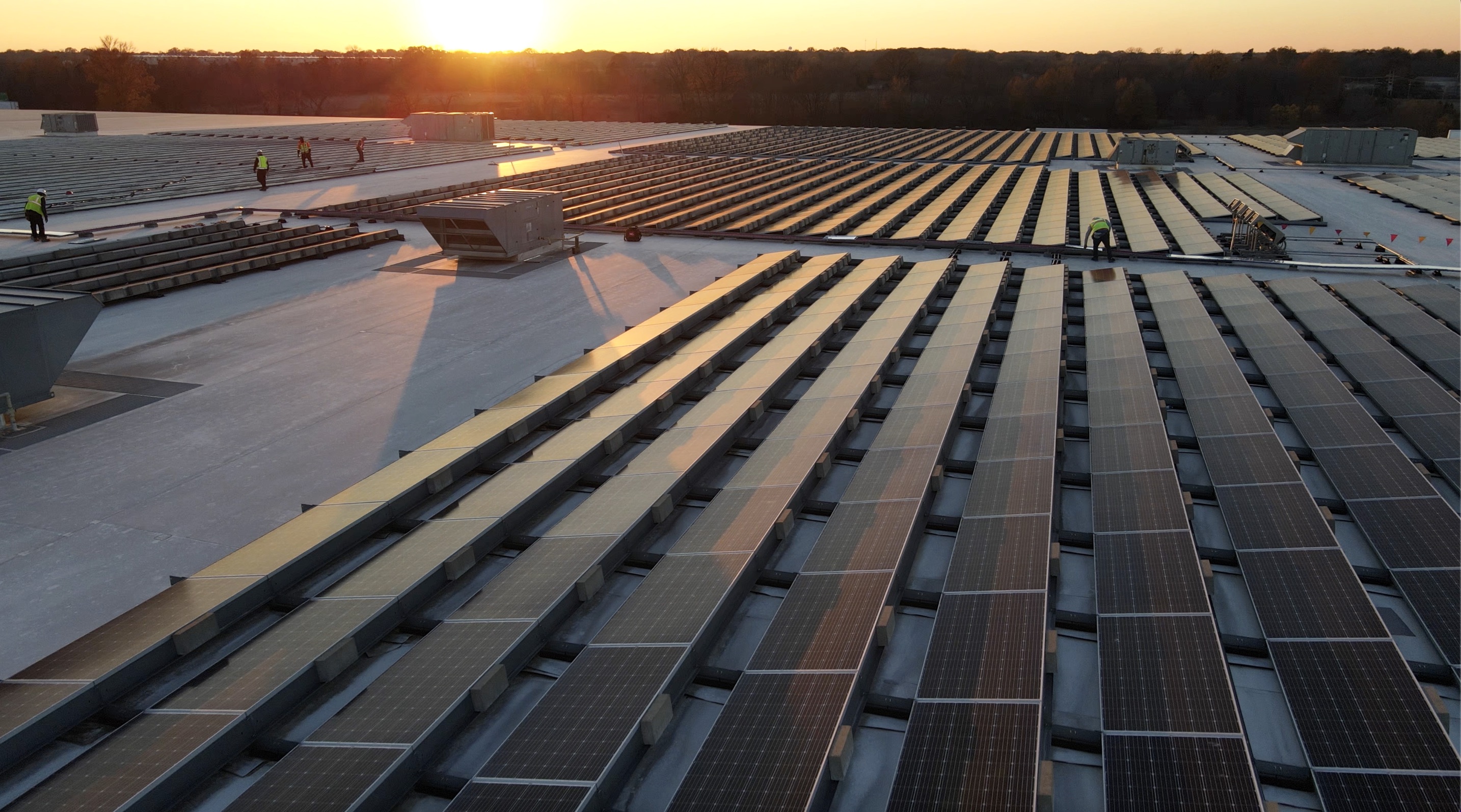
Each visit is hands-on: drains and scuppers cleared, field debris removed, seams and penetration flashings checked and touched up, sealant renewed where it has checked or split, and small punctures patched before they wet the insulation below. Every building closes out with its own photo report, and the portfolio closes out with a roll-up — a one-page ranking of which roofs are sound, which are aging, and which one should get capital first. That same documentation keeps manufacturer warranties enforceable across the set, since most warranty terms expect proof of routine maintenance.
The roll-up is where the agreement earns its keep at budget time. Instead of arguing each roof on anecdote, you walk into planning with condition history for the whole set: this one takes a coating in two years, that one needs edge metal now, the rest just need their visits. Agreement properties also move first when storms roll through — one call covers the whole portfolio, and dispatch already has every roof plan on file.
Questions portfolio and facility managers ask
Can one agreement really cover buildings in different suburbs?
Yes — that is the point of it. Crews run routes across Jackson, Ridgeland, Pearl, Flowood, and Clinton, so properties get grouped by geography and serviced by the same team in the same week where possible. Distance changes the routing, not the terms.
Do we get one report for the portfolio or one per building?
Both. Each building gets its own photo report with findings and completed repairs, and the portfolio gets a roll-up summary that ranks the roofs by condition. Ownership usually reads the roll-up; your files keep the detail.
Can we add or drop a building mid-term?
Yes. The agreement is structured as per-roof line items under one master, so an acquisition gets a baseline inspection, joins the route, and shows up in the next roll-up. A sold property drops off at the next cycle without disturbing the rest.
Who do tenants call when something leaks?
The same number your office uses. Agreement properties get priority dispatch, the crew arrives knowing the roof, and the repair is logged to that building's file automatically — no chasing a vendor for paperwork afterward.