
Protect the operation below
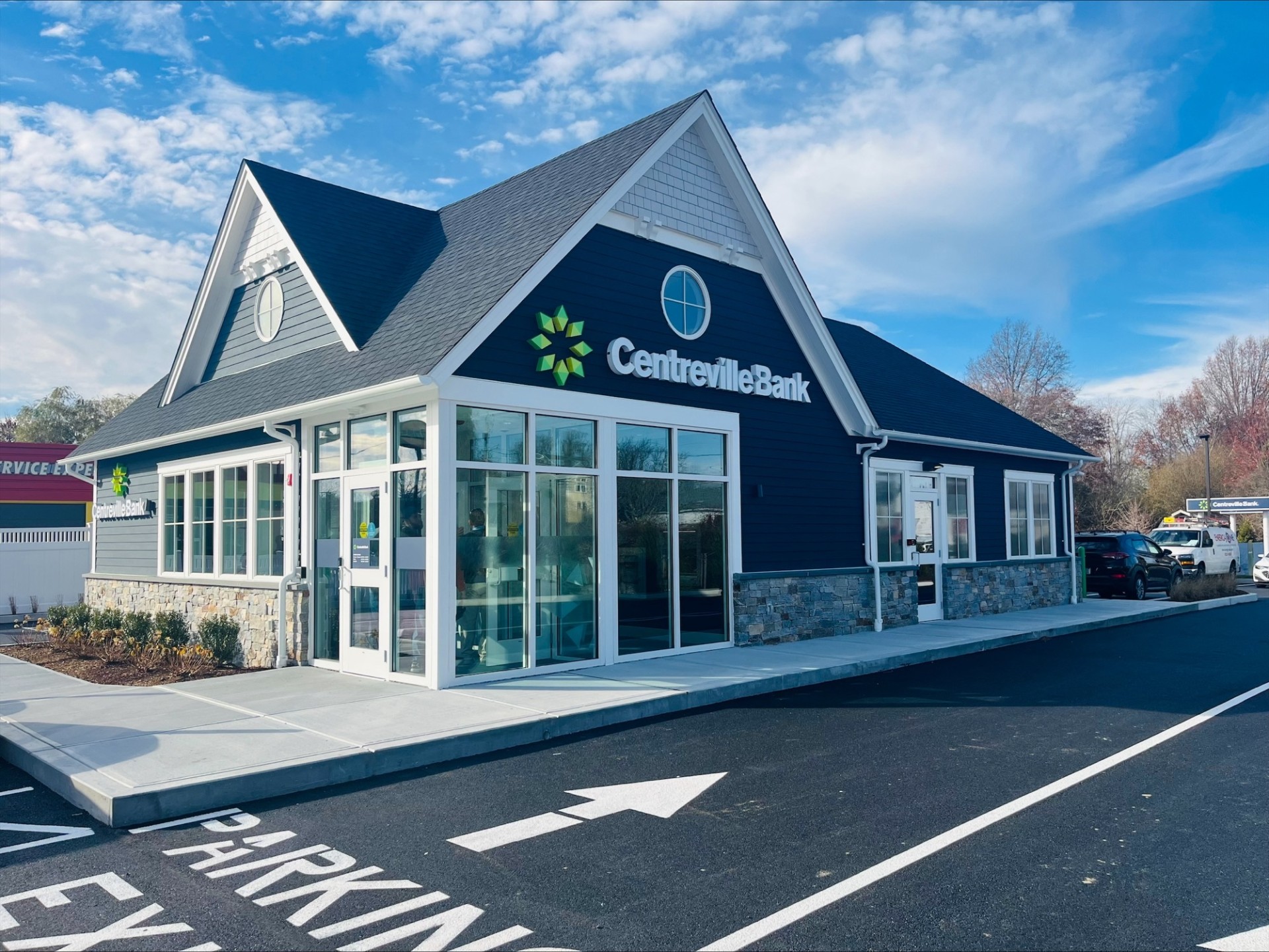
A bank branch puts a small roof on a very visible corner, and that combination shapes the whole job. The footprint is modest, but the building sits where everyone driving past can see it, and below the deck are the operations that make even a minor leak a real problem: the teller floor, the vault, the server closet, and the ATM controllers. Jackson's branches and financial offices line the busy corridors, the State Street and Capitol Street core downtown, the Countyline Road retail belt, and the newer banking presence along Highland Colony Parkway in Ridgeland, plus the regional and community banks and credit unions scattered across the metro. We reroof and repair those buildings with the two things they demand most: a clean, presentable result on a high-traffic corner and work that respects bank security from the first site visit.
The square footage on a branch is small, but the roof is busier than the footprint suggests. A typical bank carries the drive-through canopy and its tie-in, an ATM kiosk enclosure, a generator with a rooftop exhaust or transfer-switch room, and precision cooling for the server and equipment room. Each of those is its own flashing detail, and on a small roof there's little field membrane to hide a sloppy one. We document every penetration before pricing and flash each to the membrane manufacturer's details so a 4,000-square-foot branch roof doesn't leak the way a careless one will.
The drive-through canopy is the single most common chronic leak on a bank, and it almost never gets solved by replacing the field roof. The trouble is the joint where the canopy ties back into the building wall. That connection sees thermal cycling, differential settlement between the canopy structure and the main building, and overspray off the lanes, and a standard retail flashing detail doesn't hold up to that movement long-term. We treat the canopy-to-wall transition as its own line item, evaluate it separately, and re-flash it with a detail built for the differential movement rather than rolling it into the main membrane scope and hoping.
Financial buildings carry access requirements that most commercial properties don't, and we plan for them before the contract is signed. Contractor badging, escort requirements for any work near vault-adjacent zones, and security-camera documentation of crew activity are standard at bank-owned properties here. We locate the vault and sensitive rooms from the building drawings before mobilizing, sequence work over those zones into approved windows, and confirm with the security team that no vault operation is disturbed by vibration or a temporary access change. The credentialing timeline goes into the bid schedule from the start so it doesn't surprise anyone or add cost after the fact.
Scheduling follows banking hours. Branches typically run Monday through Saturday with customers and cash on site, so we concentrate active tear-off and installation into off-hours and weekends and confirm watertight dry-in before the doors open each morning. Noise limits during teller hours and any escort requirements for roof access are worked out with the branch manager and corporate facilities upfront.
National institutions and regional banks run roofing through corporate real estate and preferred-vendor programs with standardized scope documentation and national-account pricing, and we work inside those structures for portfolio accounts with a single project-management contact for the facilities team. Community banks and credit unions managing individual buildings in the Jackson metro work with us directly. Either path delivers the documentation a financial owner expects: insurance and license verification before mobilization, a preconstruction safety plan, daily work and dry-in reports, manufacturer warranty registered in the owner's name, and a final permit and inspection package.
Keep exploring
Convenience Store Roofing
Convenience Store Roofing for commercial buildings across Jackson
Food Processing Facility Roofing
Roofing for food and beverage processing plants in Jackson, MS. Washdown humidity, refrigeration loads, USDA-acceptable
Daycare Childcare Roofing
Commercial roofing for daycare & childcare facility roofing in Jackson, MS — specifications, scheduling, and project