Document the roof before choosing the scope
Jackson's hospitality market serves Mississippi's capital and its position as the state's economic and governmental center. The I-55 and I-20 corridor hotels around Ridgeland Madison and the Flowood–Pearl area have become the commercial engine of the metro hospitality market as suburban development shifted the corporate demand base northward from downtown Jackson. Hotels serving the Mississippi Band of Choctaw Indians gaming traffic the agricultural sector visitors attending the Mississippi State Fair and trade shows at the Mississippi Trademart and the state government travel segment present a diverse demand profile. Every one of those properties faces a climate that is among the most demanding in the continental United States for low-slope roofing performance: intense summer heat oppressive humidity violent thunderstorm activity and the occasional winter ice event that is more damaging per occurrence than the northern climates where ice damage is expected.
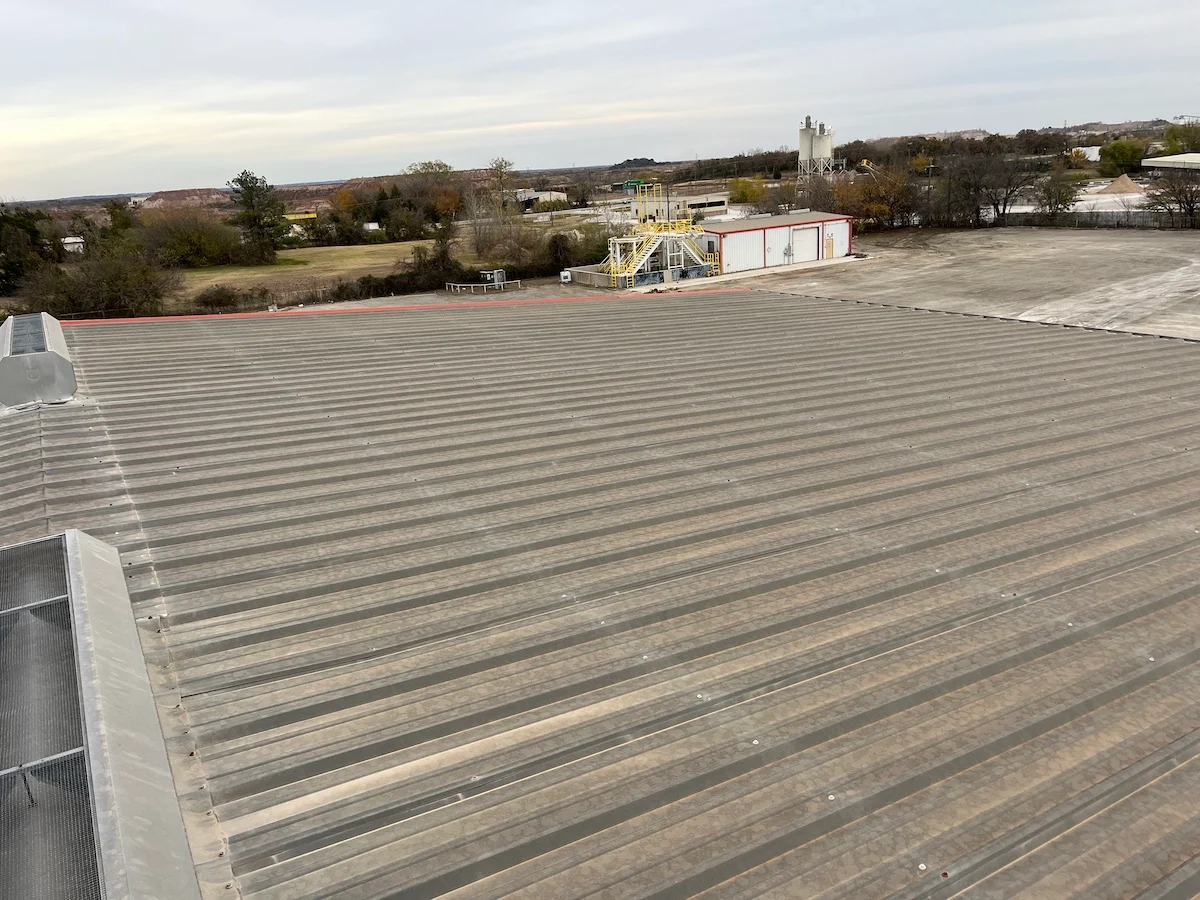
Mississippi's climate imposes a specific degradation pattern on hotel roofing systems that owners need to understand before they develop maintenance budgets. The combination of summer UV intensity average high temperatures above ninety degrees from May through September and relative humidity that keeps dew points above seventy degrees for months at a time creates a membrane aging environment that shortens service life by three to five years compared to manufacturer projections developed for mid-Atlantic baseline conditions. Modified bitumen systems installed in the late 1990s and early 2000s across the Jackson metro hotel market are overwhelmingly at or past their effective service life and many continue in operation only because the degradation has proceeded gradually enough that no single catastrophic failure has forced replacement. Proactive infrared moisture surveys almost invariably find significant saturation in these aged systems.
Property Improvement Plans for Jackson-area franchise hotels carry an urgency that the ownership community sometimes underestimates. In a market where multiple brands are evaluating the performance of their Mississippi portfolios a hotel that enters a PIP cycle with a deferred roof replacement faces the possibility that the brand will require the work as a condition of franchise renewal at a timeline that does not accommodate the owner's preferred financing schedule. Hampton Inn Holiday Inn Express and Courtyard properties along the Ridgeland–Madison corridor have all navigated this dynamic and the owners who have fared best are those who completed roofing work pro actively before the PIP inspection rather than reacting to a brand ultimatum. The cost of financing a planned replacement is consistently lower than the cost of an emergency-motivated replacement plus the revenue impact of a brand flag removal threat.
The summer thunderstorm season in central Mississippi produces some of the most severe convective weather in the country. Supercell thunderstorms tracking along the I-20 corridor can deliver baseball-size hail wind gusts exceeding eighty miles per hour and multiple lightning strikes that damage HVAC equipment rooftop satellite systems and surge-exposed electrical conduit at penetrations. Hotel operators in Jackson who have not updated their roofing emergency response protocols since the last major storm cycle are operating with outdated plans. The practical standard of care after a major hail event is a documented inspection within forty-eight hours photographic evidence of all impact damage captured before any tarping work begins—because insurance documentation that pre-dates any remediation is dramatically more effective in claims negotiations—and an immediate notification to the insurer's commercial claims line.
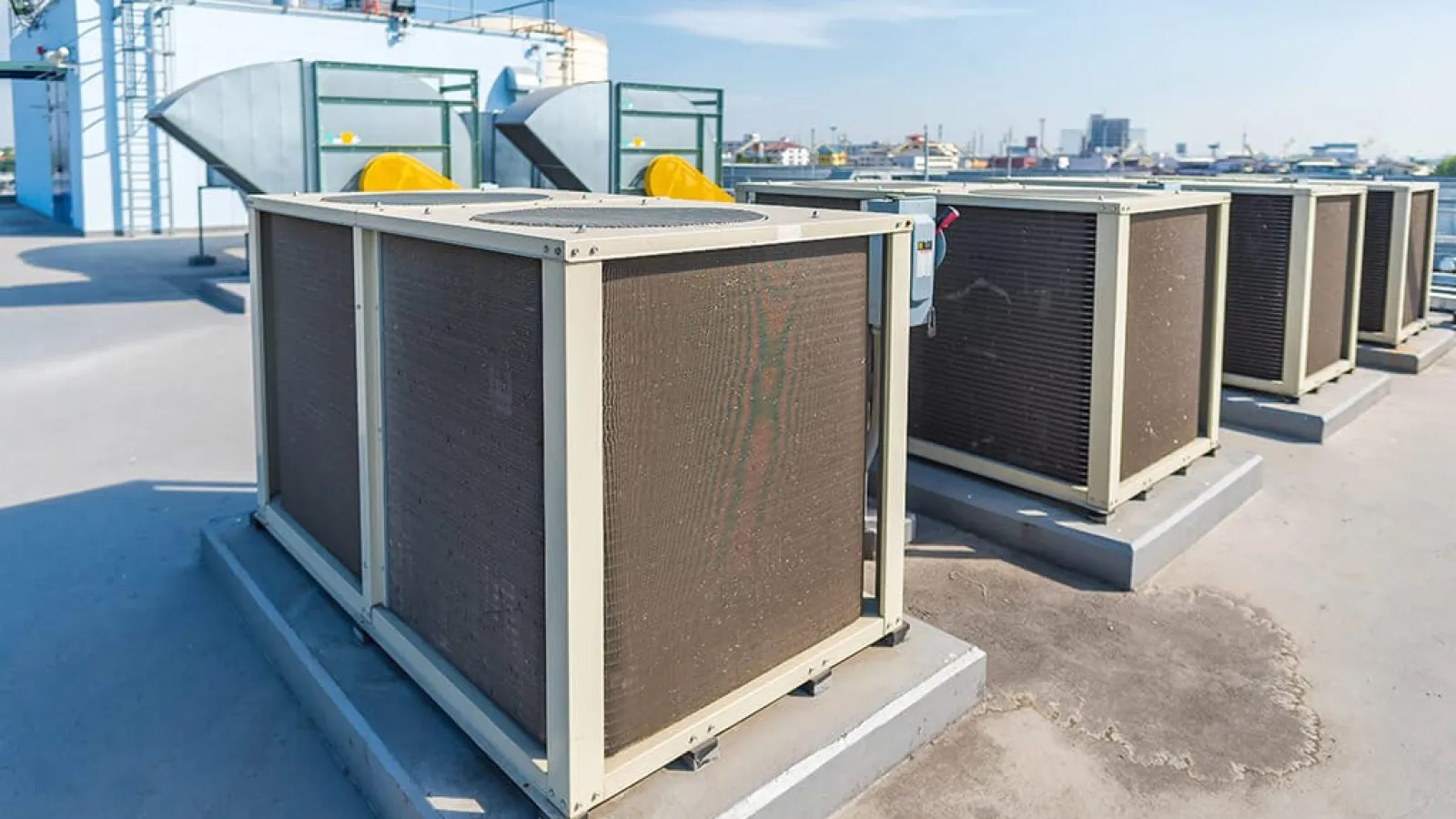
Full-service hotels in the Jackson market that operate significant food and beverage programs—particularly the properties along County Line Road that serve corporate dining demand—have rooftop mechanical profiles that create unique maintenance challenges. Large kitchen exhaust hoods grease-laden air handling units and the associated duct work penetrations through roof assemblies create zones where grease accumulation on membrane surfaces accelerates UV degradation and where condensate from HVAC equipment introduces moisture at penetration points that standard maintenance programs sometimes miss. Roofing maintenance contracts for these properties should specifically include inspection of kitchen exhaust penetration flashings and cleaning of grease-affected membrane areas twice annually—spring before the summer peak and fall before the holiday catering season.
Jackson's limited-service hotel market along the I-55 commercial corridor between Ridgeland and Canton serves a large trucking logistics and agricultural industry travel base that creates steady weeknight demand throughout the year. These properties are typically managed with leaner maintenance budgets than full-service hotels and roofing maintenance often receives less systematic attention than the guest-facing spaces that directly affect scores. The economic reality however is that a single emergency tear-off and replacement on a neglected ten-thousand-square-foot limited-service hotel roof in Jackson typically costs thirty to forty percent more than a planned replacement of the same scope because emergency mobilization carries premium pricing and the scope of saturated substrate removal expands with every additional year of deferred action. Limited-service operators who budget for annual inspections and targeted repairs generally spend less over a fifteen-year horizon than those who defer to emergency response.
The Pearl and Flowood hotel corridor along Airport Road near Jackson-Medgar Wiley Evers International Airport serves both aviation-adjacent corporate business and significant group travel associated with Mississippi State athletic events. The airport proximity creates a specific acoustic environment that some hotel guests actually prefer—consistent white noise—but it also means that rooftop HVAC equipment must be maintained carefully because guests who sleep with windows cracked in the mild Jackson spring and fall months will notice mechanical noise from deteriorating equipment curb vibration isolators in ways that urban-center hotels do not experience. Roofing maintenance contracts that include inspection of equipment curb condition and vibration isolator integrity contribute to the acoustic quality of the guest experience in ways that a pure waterproofing focus misses.
Extended-stay properties in the Jackson area serve the substantial healthcare workforce rotating through the University of Mississippi Medical Center system the state's largest academic medical complex. Traveling nurses and clinical researchers on multi-week to multi-month assignments develop strong preferences and provide detailed feedback that flows into OTA review ecosystems and directly to hospital travel coordinators who make placement decisions. A Staybridge Suites or Candlewood Suites that develops a reputation for maintenance issues—water staining musty corridors from unseen saturation ceiling tile damage from slow leaks—loses placement priority with UMMC's travel coordinators in ways that compound over time. Extended-stay operators near the UMMC corridor treat roofing maintenance as a patient care supply chain responsibility not merely a facilities cost.
Preventive maintenance for Jackson-area hotel roofs should include four distinct components: an annual two-visit inspection program timed for spring after severe weather season and fall before winter events; a three-year infrared moisture survey cycle to detect hidden saturation before it reaches guest-facing spaces; a documented drain cleaning program with photographic verification performed before each major rain season; and a standing emergency response agreement with a local commercial roofing contractor specifying four-hour response times for active leaks during occupied operations. Hotels that maintain these four program components have document able performance advantages in insurance renewals franchise QA reviews and property transaction due diligence compared to those managing roofing re actively.