
Document the roof before choosing the scope
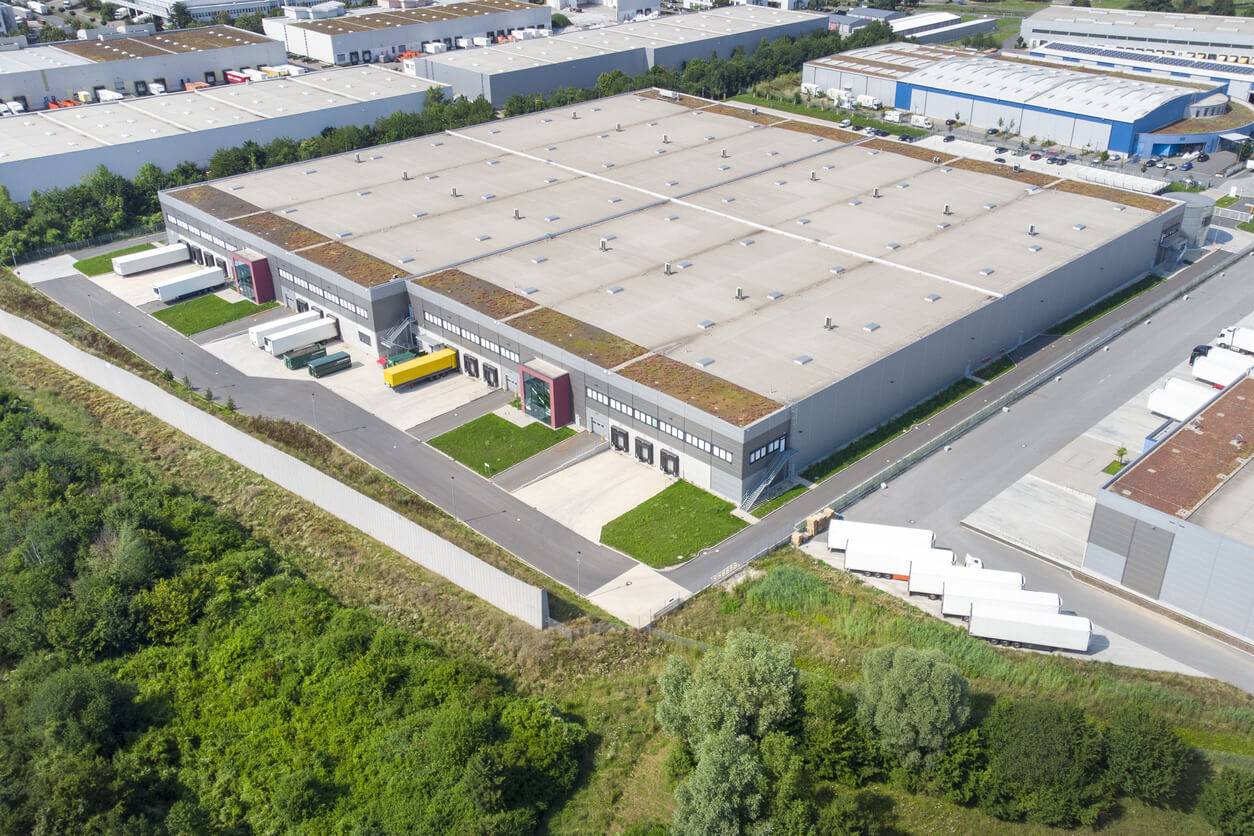
Jackson Mississippi sees 54 inches of rain per year and that rain comes in events—heavy intense storms that push a lot of water onto a roof in a short period. For the industrial buildings along the I-20 I-55 and I-220 corridors that kind of rainfall exposure means drainage design and membrane integrity aren't optional considerations. They're the variables that determine whether a facility runs dry or calls us after a storm event. We work across the Jackson metro and the Rankin County industrial corridor and we understand how Mississippi's climate and building stock creates the roof problems we see regularly.
Nissan Manufacturing in Canton—just north of Jackson—is the largest private employer in Mississippi and the industrial supply chain it anchors extends throughout the metro area. The Tier 1 and Tier 2 suppliers the logistics and warehousing operations and the tooling and equipment facilities that support the Canton plant represent a significant concentration of industrial roofing square footage in the Jackson area. These are mostly newer buildings—tilt-up concrete construction from the early 2000s through the present—with single-ply membrane systems that are now reaching maintenance-intensive age. We've been active in this corridor as those buildings come up for their first major maintenance cycles.
The Rankin County industrial corridor along I-20 east of Jackson is another area of dense industrial development. The proximity to the Pearl River adds a consideration that facilities managers sometimes overlook: this corridor sees high humidity from the river environment that accelerates biological growth on roof surfaces. Algae and mold growth on membrane surfaces in Rankin County isn't just cosmetic—it can indicate moisture retention that's shortening membrane life and masking early-stage failures. On humid-corridor buildings we typically recommend a biocide-treated membrane or a periodic roof wash program as part of the maintenance plan.
The Port of Vicksburg provides Mississippi River barge access that makes the Jackson metro a regional distribution hub and the industrial development that extends along the I-20 corridor westward toward Vicksburg supports that logistics infrastructure. Buildings in this corridor include older masonry and steel construction from the 1970s and 80s that have been maintained in various states of repair. The challenge with older Jackson-area industrial buildings is that deferred maintenance in the humid Mississippi climate progresses faster than in drier regions. What's a manageable flashing repair in a dry climate can become a structural deck issue in a few years in Mississippi's environment if it's not addressed promptly.
Mississippi's chemical industry and the natural gas pipeline industrial facilities in the Jackson area represent another category of building with specific roofing requirements. Chemical process buildings and facilities near pipeline infrastructure have strict hot-work permit requirements that affect how we specify and install certain roofing systems. Torch-applied modified bitumen—which was standard in Mississippi's commercial roofing market for decades—isn't the right approach on or near chemical or pipeline facilities where hot-work permitting is required. We work with cold-applied and self-adhered systems in these environments and we understand the permitting requirements that facilities in the energy and chemical sector maintain.
Hurricane periphery exposure is real in central Mississippi. Jackson doesn't take direct hits but the outer bands and remnant systems from Gulf storms regularly deliver intense sustained rainfall and occasionally significant wind events to the metro area. We saw this with Katrina remnants and it's a regular late-summer and fall pattern. Industrial buildings in the Jackson area need perimeter edge details that are engineered for wind uplift not just rain. Edge metal and perimeter termination bars that are adequate for normal Mississippi weather may not hold against the sustained wind load of a tropical system passing north. We specify perimeter attachment with that exposure in mind on all new work and re-roofing projects.
Mississippi's lack of significant freeze-thaw cycling is a genuine advantage for industrial roofing compared to northern states but the heat and humidity create their own degradation mechanisms. UV exposure in Mississippi is significant—closer to the Gulf Coast profile than the Midwest—and membrane systems that aren't formulated for sustained UV intensity show surface degradation and seam stress within a few years of installation. Coating systems on aging modified bitumen roofs in the Jackson market need to be re-applied on a schedule appropriate for the UV exposure level here which is more aggressive than a manufacturer's literature written for a northern climate would suggest.
The I-220 corridor that links north Jackson to the metro industrial zones sees a mix of light industrial, distribution, and commercial development that has grown significantly in the past decade. The newer buildings in this area benefit from modern membrane systems and better design standards than the older industrial stock. What they share with older buildings is the Jackson climate: intense rain events high humidity and UV exposure that doesn't let up. Our maintenance programs for the I-220 corridor buildings focus on seam inspections after major storm events and annual condition documentation for portfolio reporting.
Dillard's distribution operations and the retail logistics facilities in the Jackson metro represent a different client profile than heavy industrial—tighter delivery schedules more consistent interior conditions and facilities management teams that track maintenance costs carefully. We work with this segment of the Jackson market and provide the documentation and reporting that corporate facilities programs require. Maintenance logs warranty compliance records and capital planning support are part of what we deliver beyond the physical roofing work.
Jackson's industrial and logistics sector is the economic engine of central Mississippi and the buildings housing those operations need commercial roofing contractors who understand the local climate and building stock. We've been working in this market long enough to know the common failure modes on Jackson-area industrial roofs and we approach every project—inspection repair or replacement—with that local knowledge applied.
Keep exploring
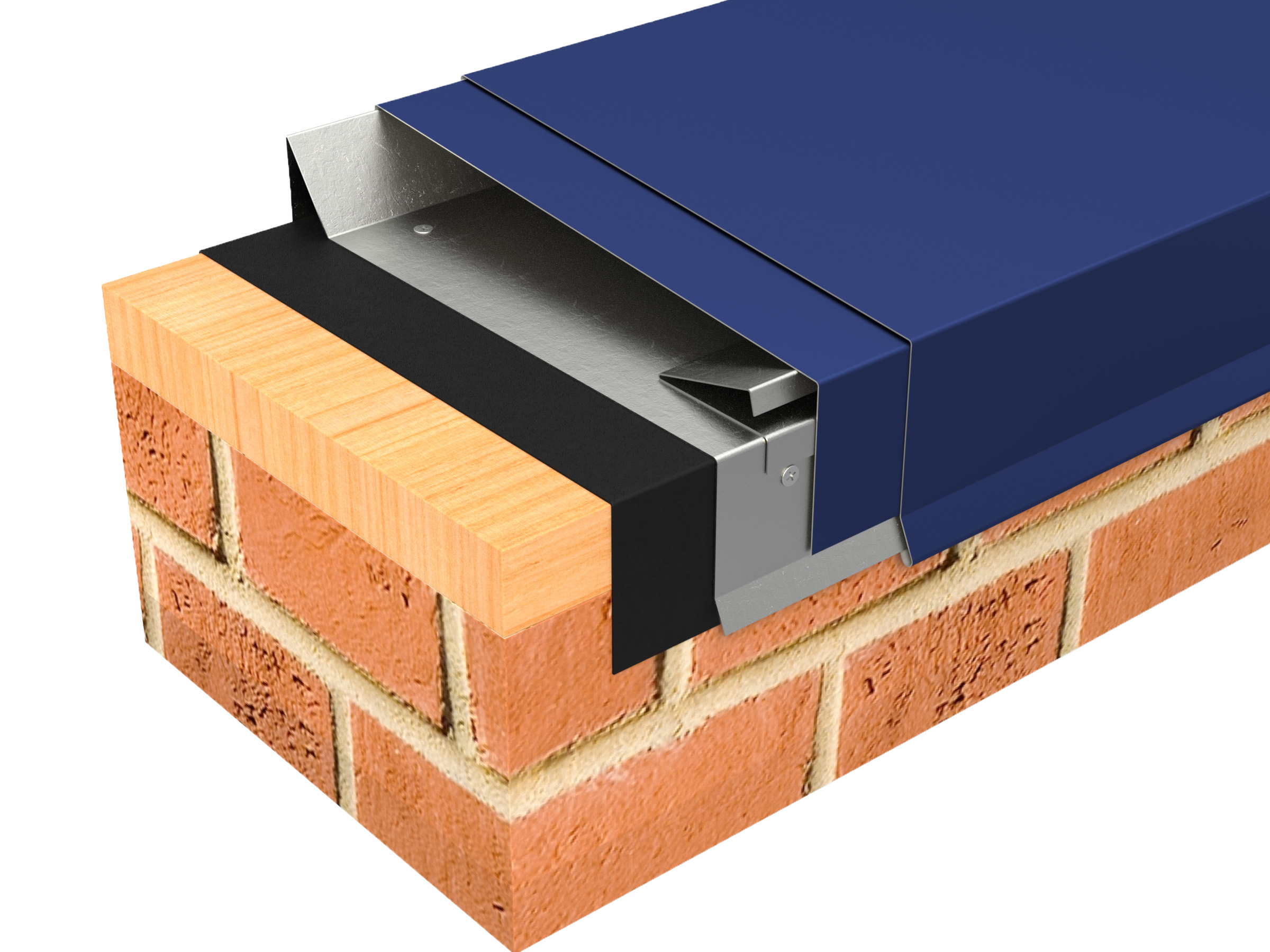
Edge Metal Coping Gutters
Edge Metal Coping and Gutters for commercial buildings in Jackson,
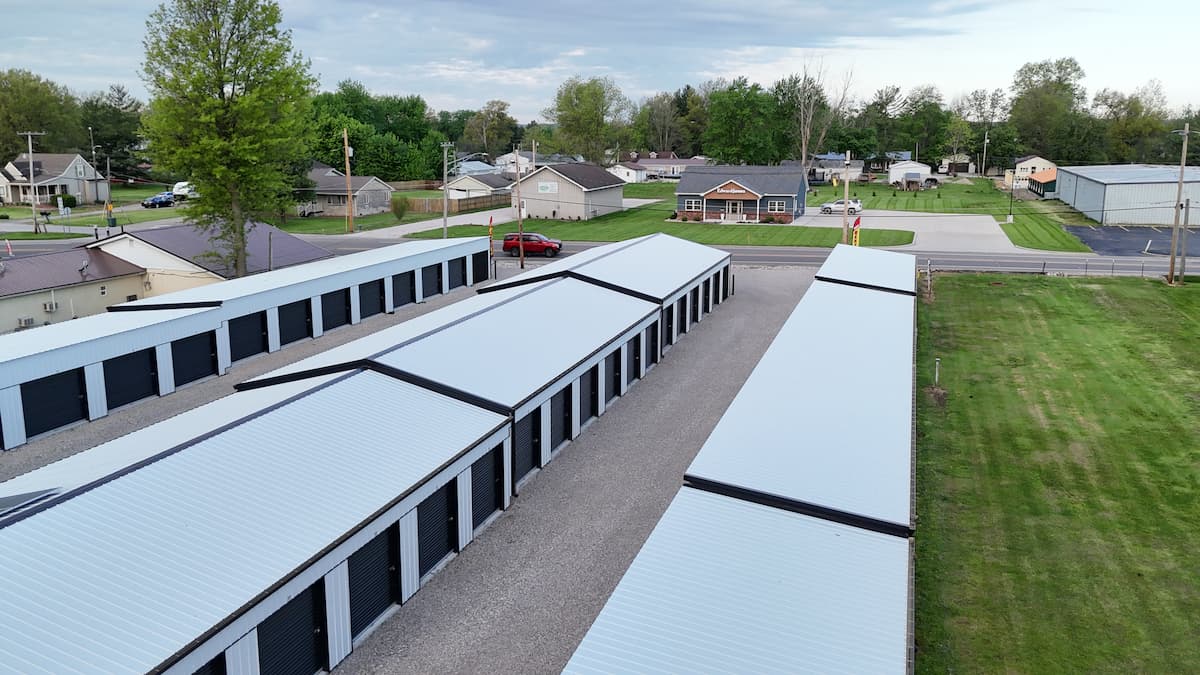
Self Storage Roofing
Commercial roofing for self-storage facilities, mini-storage buildings, and climate-controlled storage properties
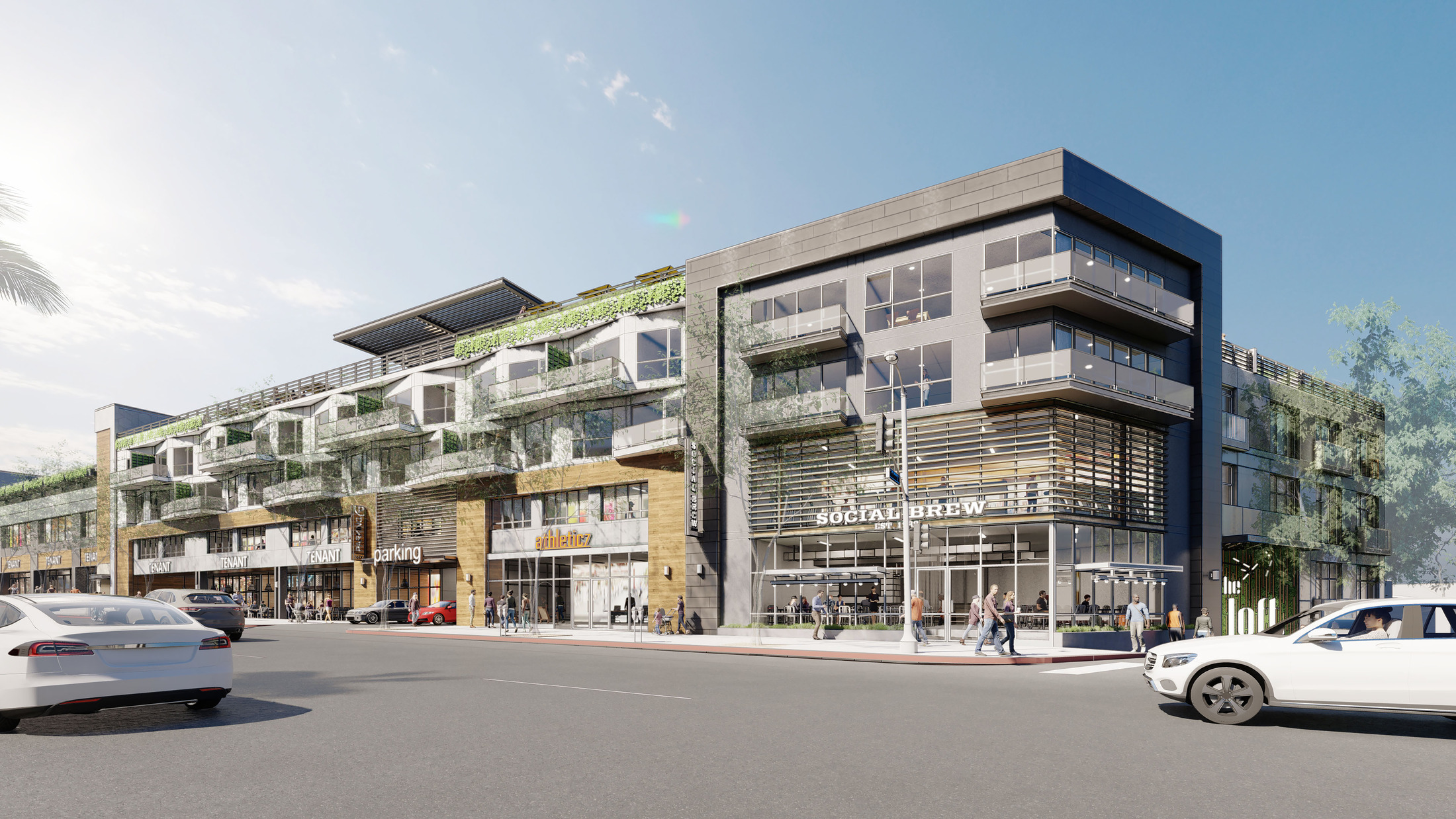
Mixed Use Roofing
Commercial roofing for mixed-use buildings, urban infill developments, and live-work-play properties throughout