
Protect the operation below
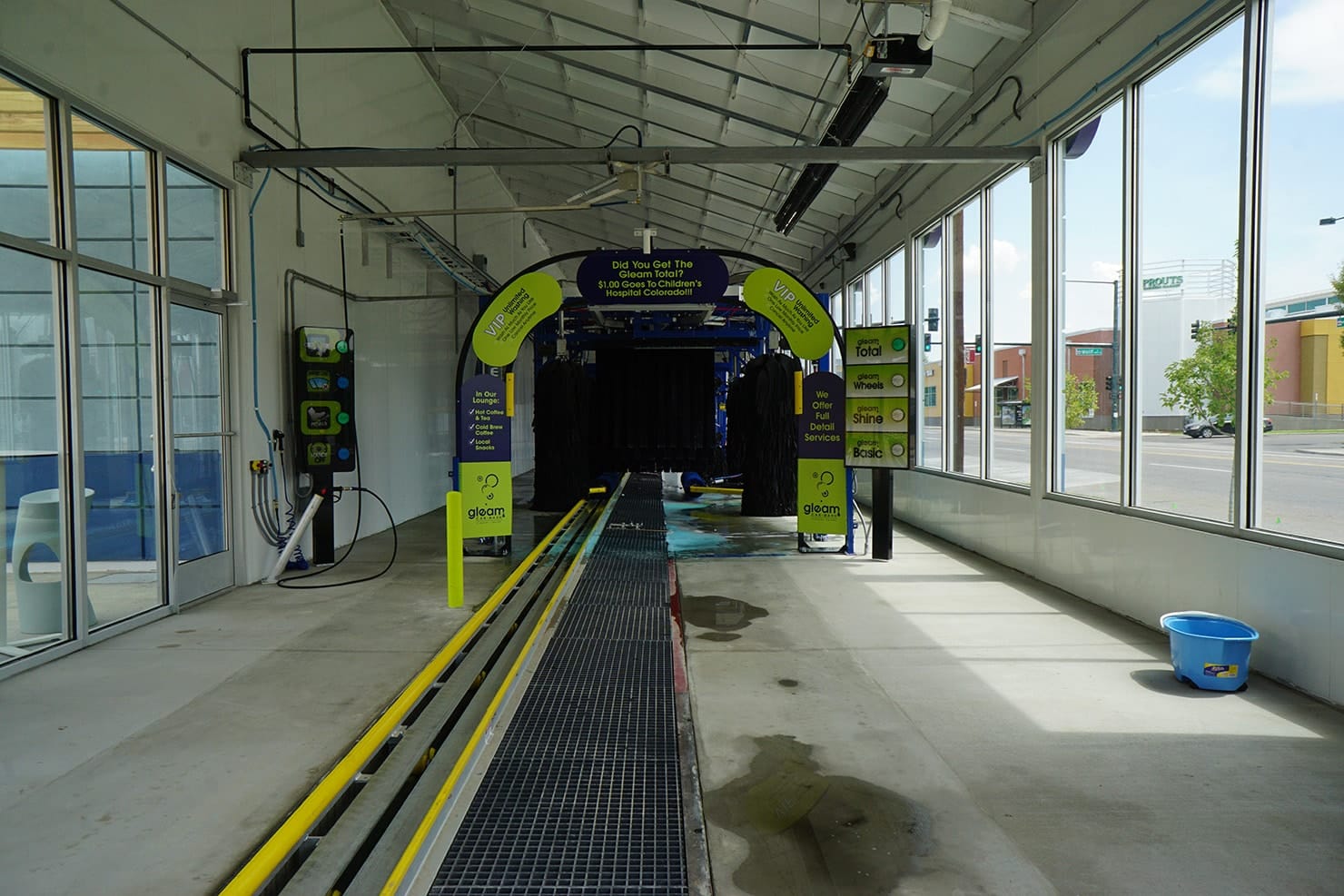
A car wash is the only commercial building we work on where the roof is attacked harder from the inside than from the sky. Jackson sits in humid-subtropical Mississippi, so the deck over an active tunnel is already fighting summer dew points in the seventies before the equipment even fires up. Add hot detergent mist, tire-shine solvent, drying-agent wax, and the steam that boils off pressurized hot water, and the underside of that deck lives in a chemical fog most of the operating day. We plan car wash roofs around that reality because pretending a tunnel is just another flat roof is how owners end up replacing a deck ten years early.
The car wash count in this metro tracks the high-traffic retail arteries. The Countyline Road corridor along the Jackson and Ridgeland line, the Lakeland Drive run east toward Flowood, the US-49 stretch through Florence and Richland, and the I-55 frontage up through Madison are where the express tunnels and in-bay autos cluster because those are the commuter counts that feed an unlimited-wash membership model. Older self-serve bays still sit along Terry Road, Highway 18, and the Robinson Road side of west Jackson. Each format wears its roof differently, and we scope them differently.
Over the wash tunnel three things hit the assembly at once: alkaline detergent particulate, thermal cycling from hot-water cycles, and relentless moisture. Those forces do not treat all single-ply the same. TPO and EPDM both lose ground to the surfactants and high-pH cleaners that run through a commercial wash, while PVC holds up far better because its chemistry tolerates that exposure. For Jackson tunnels we generally specify a 60-mil PVC membrane fully adhered so it cannot flutter against the negative pressure the exhaust fans create, and we confirm the facility's actual chemical program against the manufacturer's resistance data before a single roll lands on the deck.
Underside corrosion is the quiet killer here. Vapor that pushes up through deck flutes and unsealed penetrations condenses on cold steel and chews the deck and the fasteners from below, where no roof walk ever catches it. We treat air sealing at the deck plane, equipment-room exhaust, and a competent vapor strategy as part of the roof scope on a wash tunnel, not an afterthought handed to the HVAC trade.
The roof that gives express washes the most chronic trouble in Jackson is rarely the main building. It is the vacuum canopy and the exit canopy, and especially where those structures tie back into the building. Canopy decks take vehicle exhaust, overspray, and full outdoor thermal swing, and the flashing at the canopy-to-wall transition and the canopy drain connections is where the leaks actually start. We inspect those joints, the internal canopy gutters, and the downspout tie-ins as a distinct line item because a perfect tunnel roof over a failing canopy still floods the pay station.
The mechanical room behind the tunnel is where the pumps, reclaim tanks, blowers, and chemical totes live, and it is usually the part of the roof owners forget about until it leaks onto a controller. These low, busy roof areas pond easily, and standing water over an equipment room sitting in Jackson heat speeds membrane aging and finds every weak seam. We check the drainage path here closely, add tapered insulation or relocated drains and scuppers where water has nowhere to go, and seal the dense cluster of conduit, vent, and refrigerant-line penetrations that the equipment room always accumulates. Getting water moving off this zone is often the single most cost-effective repair on the whole property.
Because the chemistry never stops working on the roof, a wash benefits from a tighter inspection rhythm than a dry retail building. We recommend a roof check twice a year and after any severe storm, and on a chemical-exposed roof that walk looks for things a generic inspection skips.
Catching those four things on schedule is what turns a fifteen-year membrane into one that actually reaches fifteen years on a car wash.
Most Jackson washes run seven days through the warm season, and a rainy Saturday is a paid Saturday they do not want to lose. We sequence tunnel work into the early-open and late-close windows and keep each section dried in before the gates roll up. Exterior building and canopy work can usually proceed during business hours with traffic control that keeps the conveyor exit and vacuum lanes clear of our staging.
Keep exploring
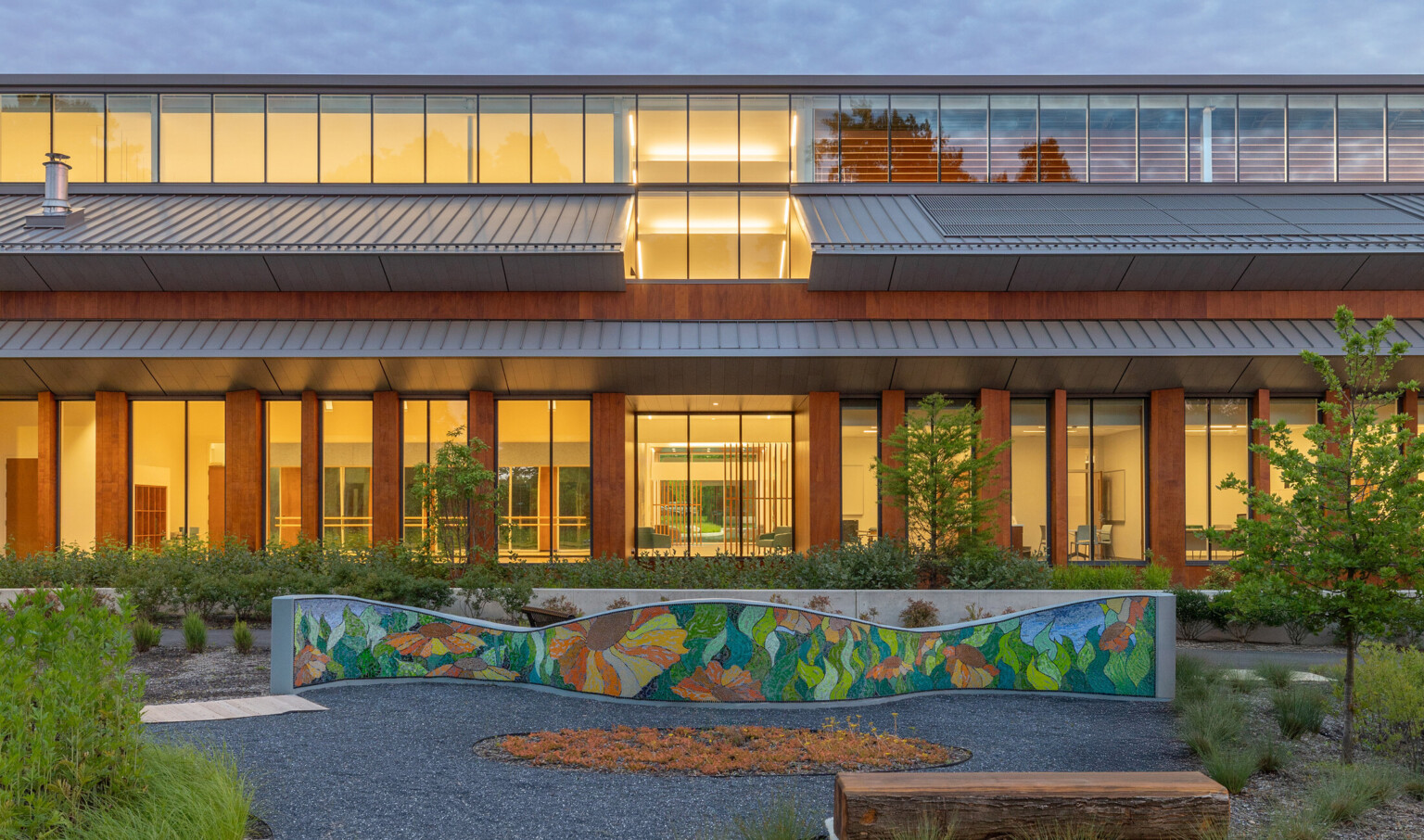
Fitness Center Gym Roofing
Fitness center and gym roofing in Jackson, MS. Large open-span decks, heavy rooftop HVAC for high occupancy, and
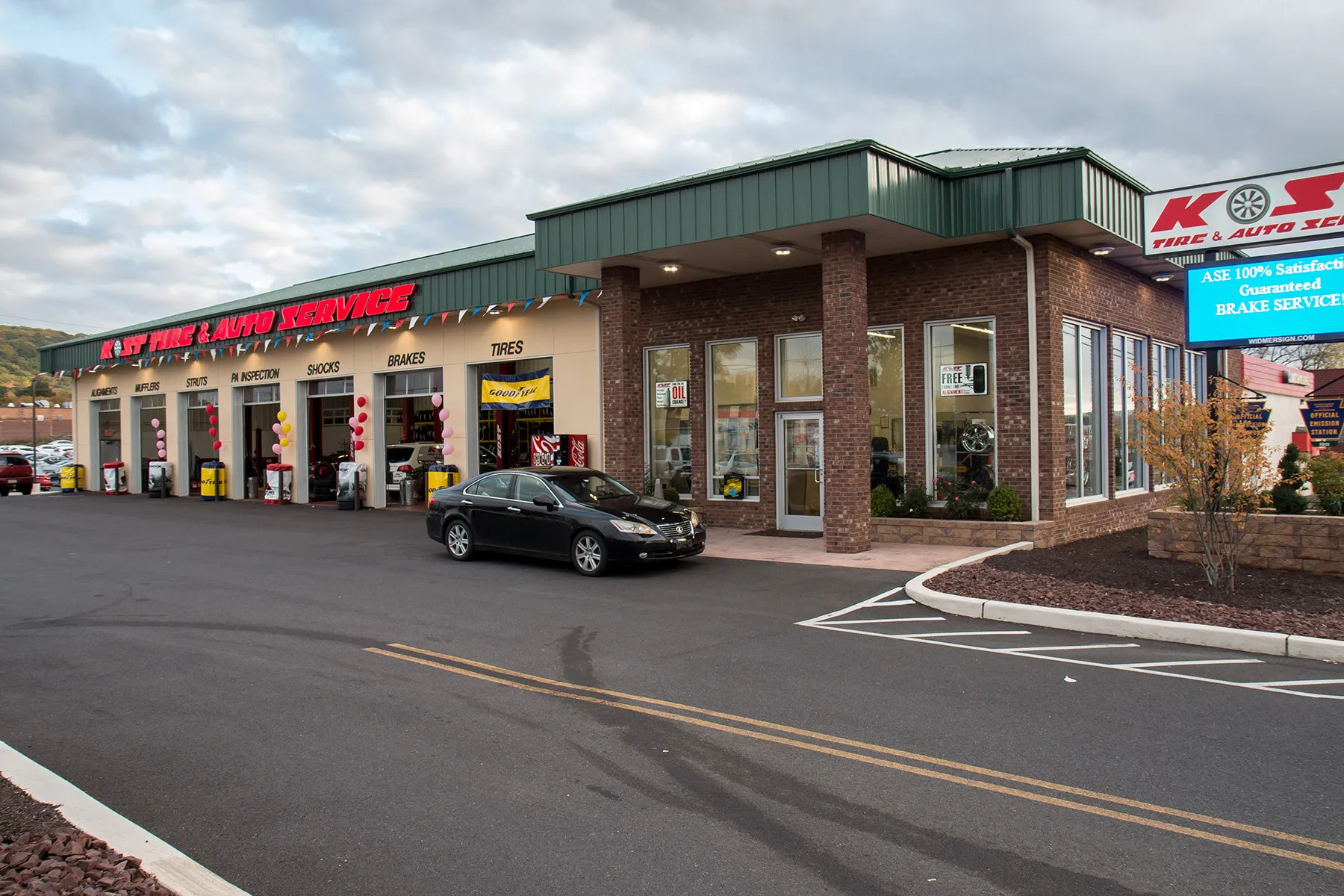
Automotive Manufacturing Roofing
Large-deck roofing for automotive assembly, stamping, and Tier 1 supplier plants near Jackson, MS. Phased work over
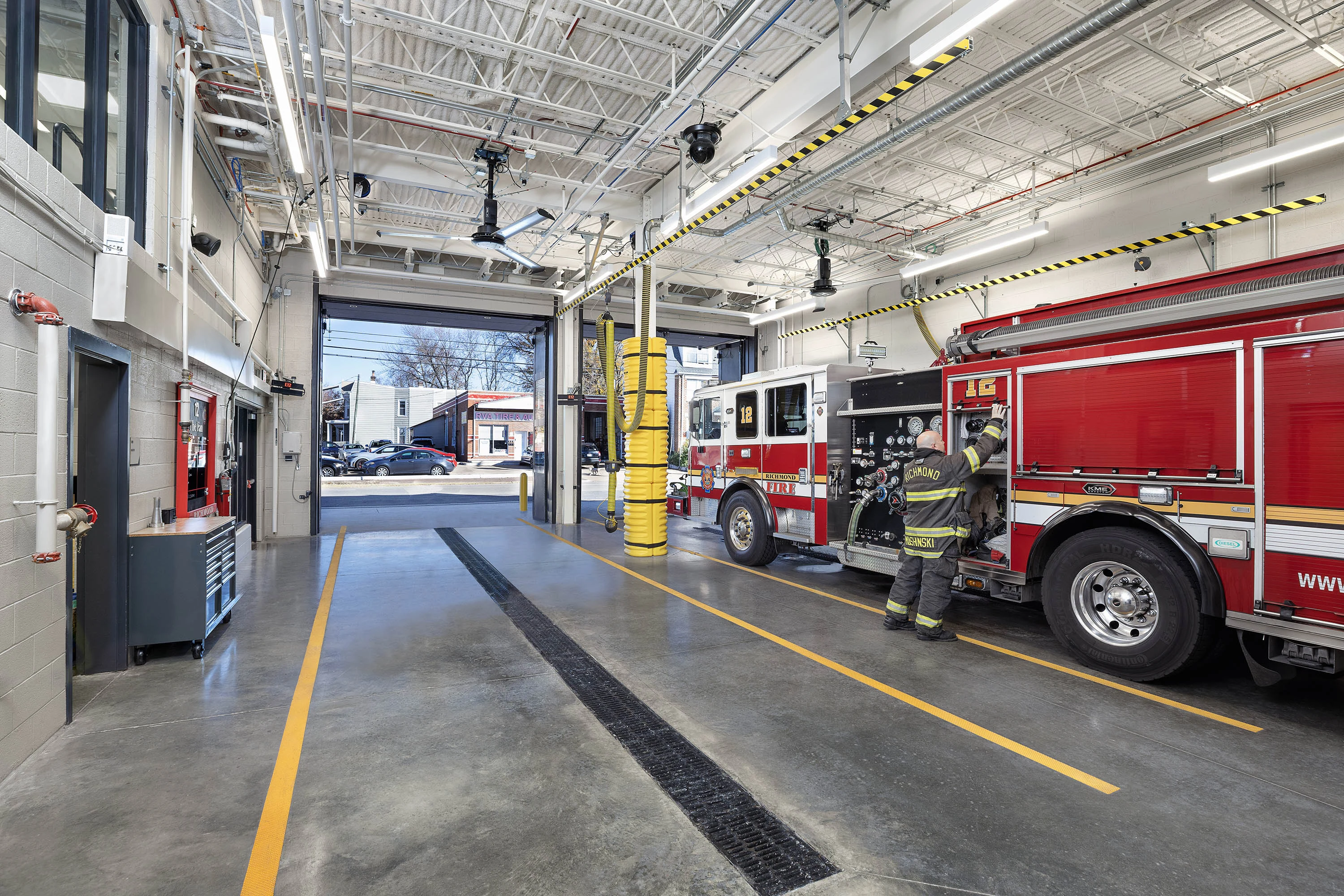
Fire Station Roofing
Commercial roofing for fire station & emergency services facility roofing in Jackson, MS — specifications, scheduling,