
Document the roof before choosing the scope
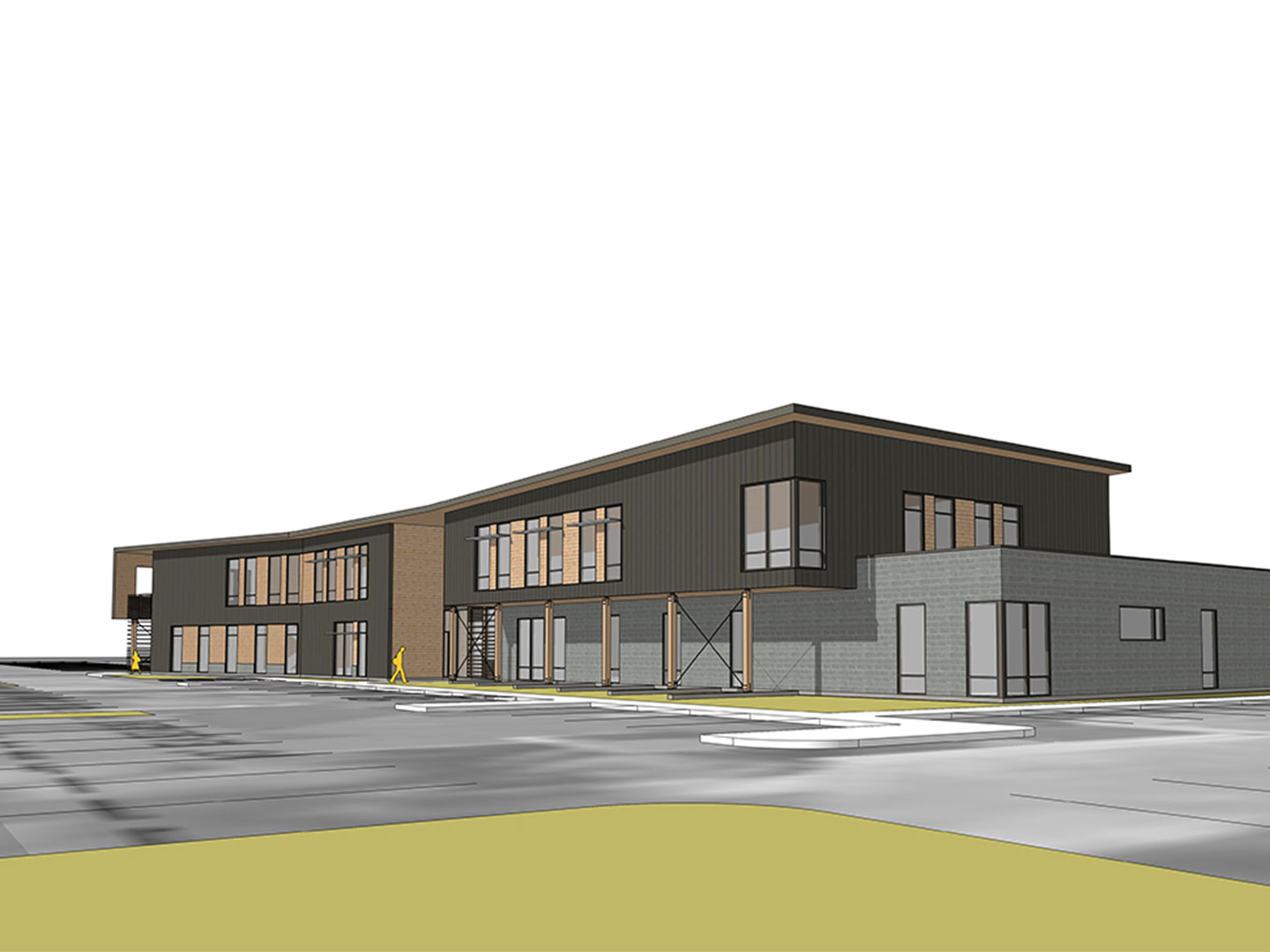
Jackson's medical community anchors one of the most significant healthcare ecosystems in the Deep South with the University of Mississippi Medical Center campus serving as the state's only Level I trauma center and the only academic medical center in Mississippi. The UMMC footprint spans research towers the Batson Children's Hospital the Wiser Hospital for Women and Infants and a growing ambulatory care network that extends across the metro. Baptist Medical Center Merit Health Central and St. Dominic Hospital collectively add millions of square feet of clinical and support space all of which require roofing systems capable of protecting sensitive environments through Mississippi's demanding weather patterns. Healthcare roofing failures in Jackson carry consequences that reverberate through a medical system already serving some of the most medically underserved populations in the nation.
Mississippi's climate imposes relentless pressure on commercial roofing systems. Jackson averages over 55 inches of rainfall annually with intense convective thunderstorms capable of dropping several inches in a matter of hours. These events test drainage system capacity and expose any membrane weakness through hydrostatic pressure that low-slope roofs were not designed to bear for extended periods. The summer humidity often exceeding 85 percent for weeks at a time creates the condensation cycling that degrades adhesives promotes biological growth on membrane surfaces and accelerates the deterioration of exposed insulation where lap seams have opened. For hospitals and surgery centers where a ceiling leak can contaminate a sterile field or a medication storage area this weather environment makes every roofing decision consequential.
The UMMC medical district's ongoing capital expansion—including the construction of the new Children's of Mississippi facility and the expansion of the clinical neuroscience programs—has placed healthcare roofing contractors in high demand across the Jackson metro. These large-scale projects require phased roofing strategies that keep occupied clinical wings protected while new construction proceeds adjacent to or above active patient care areas. Temporary roofing enclosures interim drainage controls and aggressive weather monitoring are baseline requirements for any contractor working on phased hospital expansion in this environment. The stakes at UMMC where clinical operations cannot pause for construction timelines demand a level of planning sophistication that goes well beyond routine commercial work.
Infection control coordination at Jackson's hospital campuses follows Joint Commission standards that apply to all construction trades including roofing contractors. The fungal spore loads associated with rooftop work—disturbing existing membrane insulation and underlying decking—are an immunological hazard for transplant patients oncology patients and others with compromised immune systems housed in facilities like the UMMC Cancer Center. Contractors working on or adjacent to occupied clinical buildings in Jackson must establish negative-pressure containment restrict rooftop access to credentialed personnel and follow ICRA protocols developed in partnership with the facility's infection control officer. Documentation of these protocols is increasingly required during Joint Commission surveys.
Medical office buildings along the Lakeland Drive medical corridor in the Ridgeland suburb and near the St. Dominic campus have seen steady development as healthcare networks expand their ambulatory footprints. These outpatient facilities—imaging centers surgical suites oncology infusion centers and multi-specialty clinics—require roofing systems that accommodate the exceptional mechanical loads imposed by large rooftop air handlers medical gas storage areas and the generator enclosures that power critical backup systems. Proper curb engineering and flashing details at these penetrations are where failures typically originate and they require a level of workmanship that only experienced healthcare roofing specialists can deliver reliably.
Jackson's tornado risk adds a dimension to healthcare roofing design that is largely absent in coastal markets. The Mississippi Delta region produces tornado activity that can generate windspeeds exceeding 130 mph and healthcare facilities are explicitly required by state code to maintain operations or shelter-in-place capability during severe weather events. Roofing systems for hospitals and surgery centers in the Jackson metro must meet enhanced wind uplift resistance standards with fastener patterns and perimeter details engineered beyond minimum code to protect the envelope integrity of life-safety facilities. These specifications are not gold-plating—they reflect the actual weather history of central Mississippi and the operational requirements of emergency care facilities during severe weather.
Assisted living communities and skilled nursing facilities throughout the Jackson metro—including those in Brandon Flowood and Ridgeland—face a maintenance reality that is shaped by aging building stock and the financial constraints common to long-term care operators. Many of these facilities carry roofing systems that are well past their design life and a proactive roof condition assessment program is the most cost-effective tool available to operators who need to manage capital budgets carefully. Infrared thermographic surveys can identify moisture-laden insulation beneath apparently intact membranes allowing targeted repairs that extend roof life without full replacement. This approach aligns well with the financial planning requirements of CMS-regulated facilities where capital expenditure cycles must be documented and forecasted.
The economic consequences of deferred roofing maintenance at Jackson healthcare properties extend beyond repair costs. Mississippi's Department of Health and the Centers for Medicare and Medicaid Services both survey long-term care facilities for physical plant deficiencies and a recurring or unaddressed roof leak that results in visible ceiling damage mold evidence or compromised infection control conditions can trigger deficiency citations that affect reimbursement rates or licensure status. Facility managers at Baptist Health Plex properties Merit Health facilities and the growing number of independent urgent care operators in the Jackson metro have found that the cost of a documented preventive maintenance program is trivially small compared to the regulatory exposure it prevents.
Healthcare facility managers in Jackson choosing a roofing contractor should look specifically for documented project experience on occupied clinical facilities familiarity with the Joint Commission's Environment of Care standards and established relationships with the major membrane manufacturers that support NDL warranty programs in Mississippi. References from UMMC facility operations Baptist Medical Center's facilities management team or Merit Health's property services division are meaningful indicators that a contractor understands the complexity of healthcare roofing in this specific market. The right contractor brings not just technical competence but the project management discipline and clinical-environment awareness that protect both patients and facility operations throughout the duration of the work.
Keep exploring
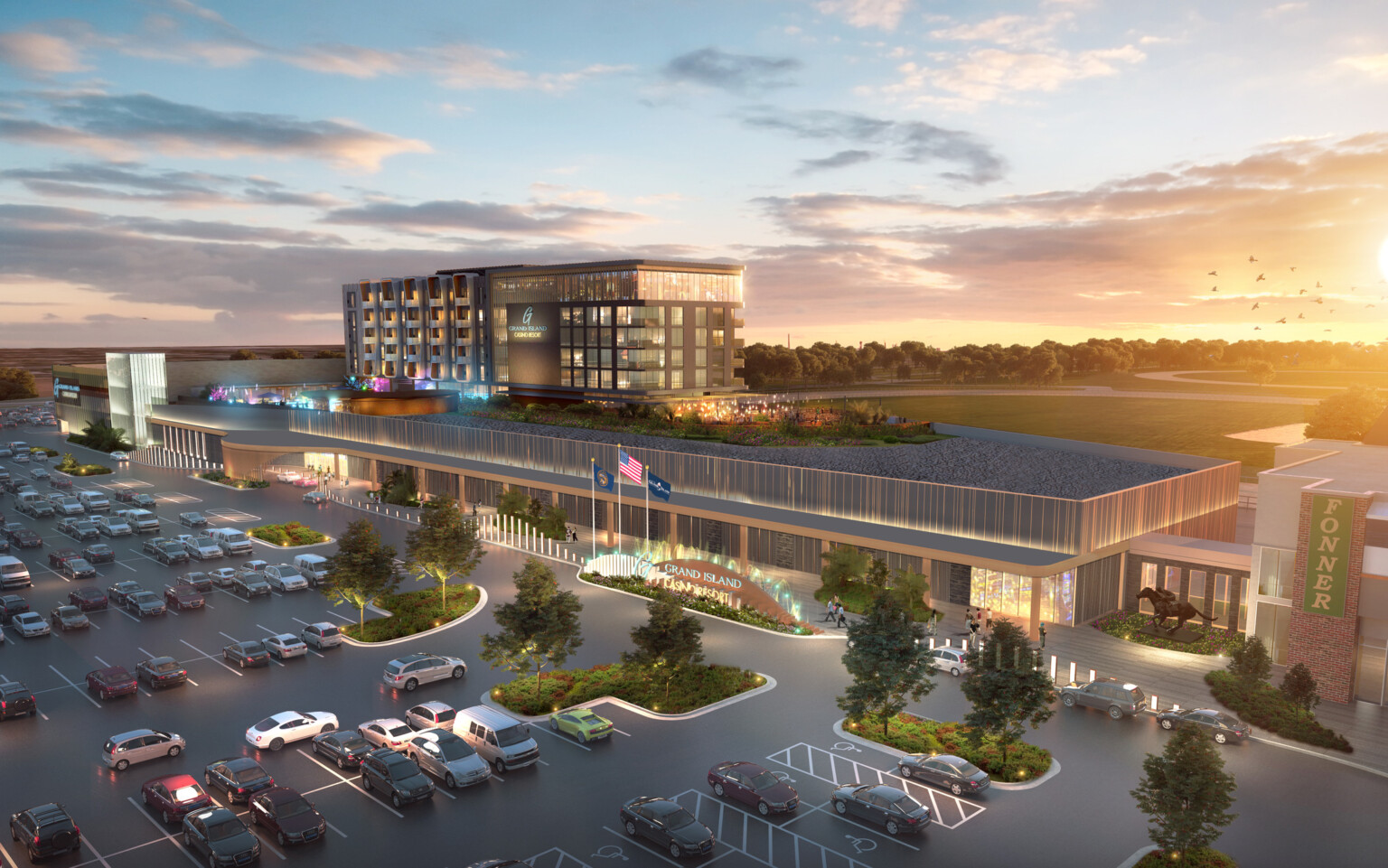
Hotel Roofing
Commercial roofing for full-service hotels, limited-service hotels, extended-stay properties, and hospitality brands
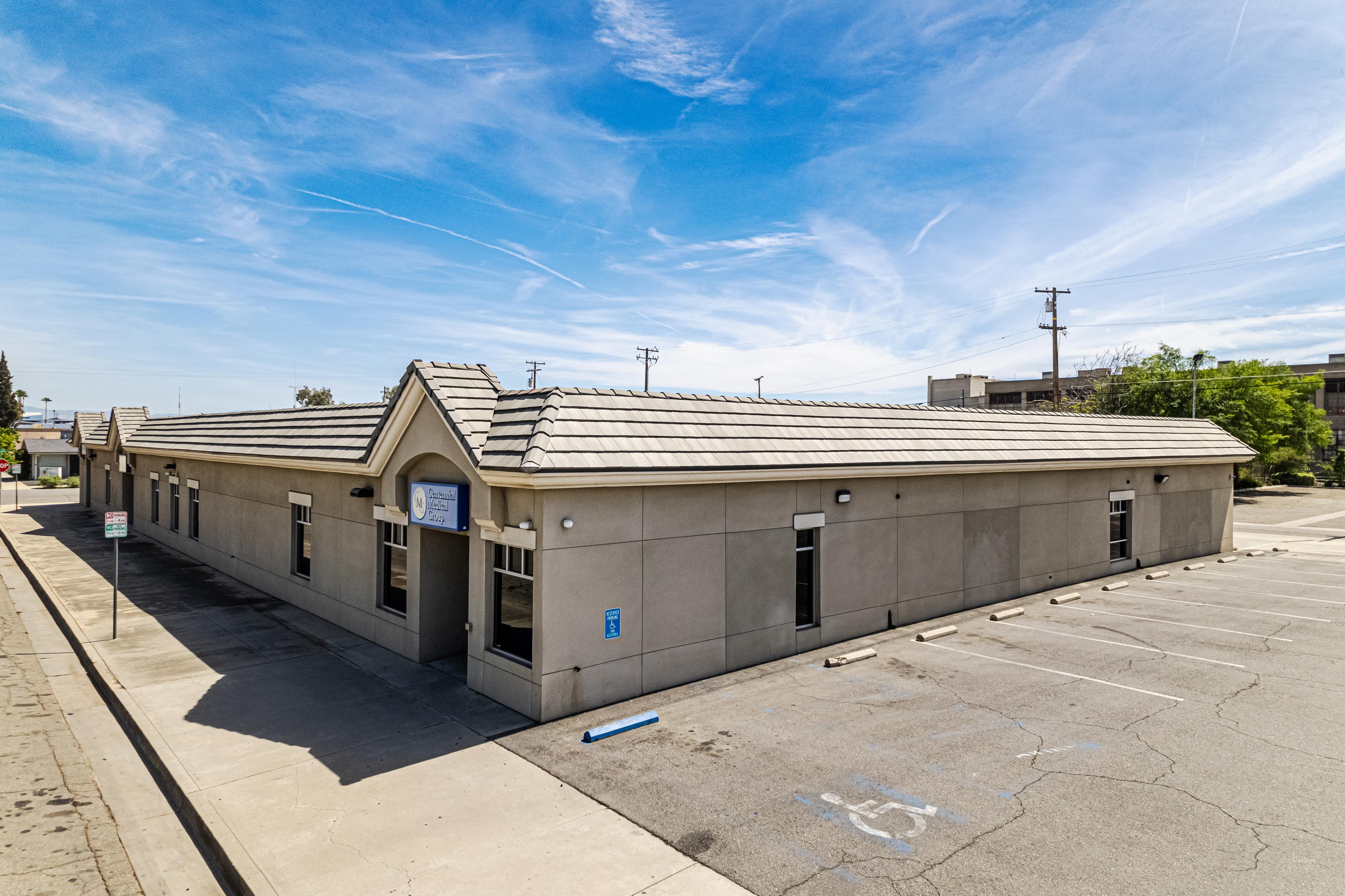
Drone Roof Inspection
Aerial and infrared drone roof inspections across Jackson, MS map trapped moisture on large low-slope roofs with no
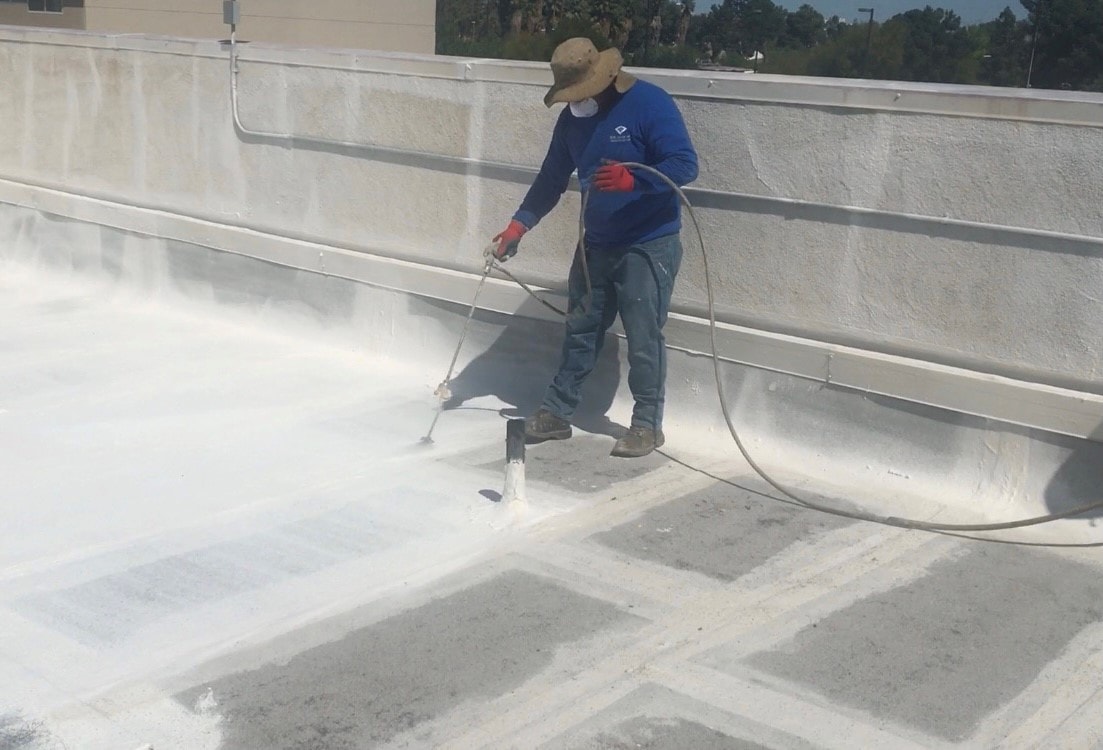
Roof Coatings Restoration
Acrylic and Silicone Roof Coatings for commercial buildings in Jackson,