
Document the roof before choosing the scope
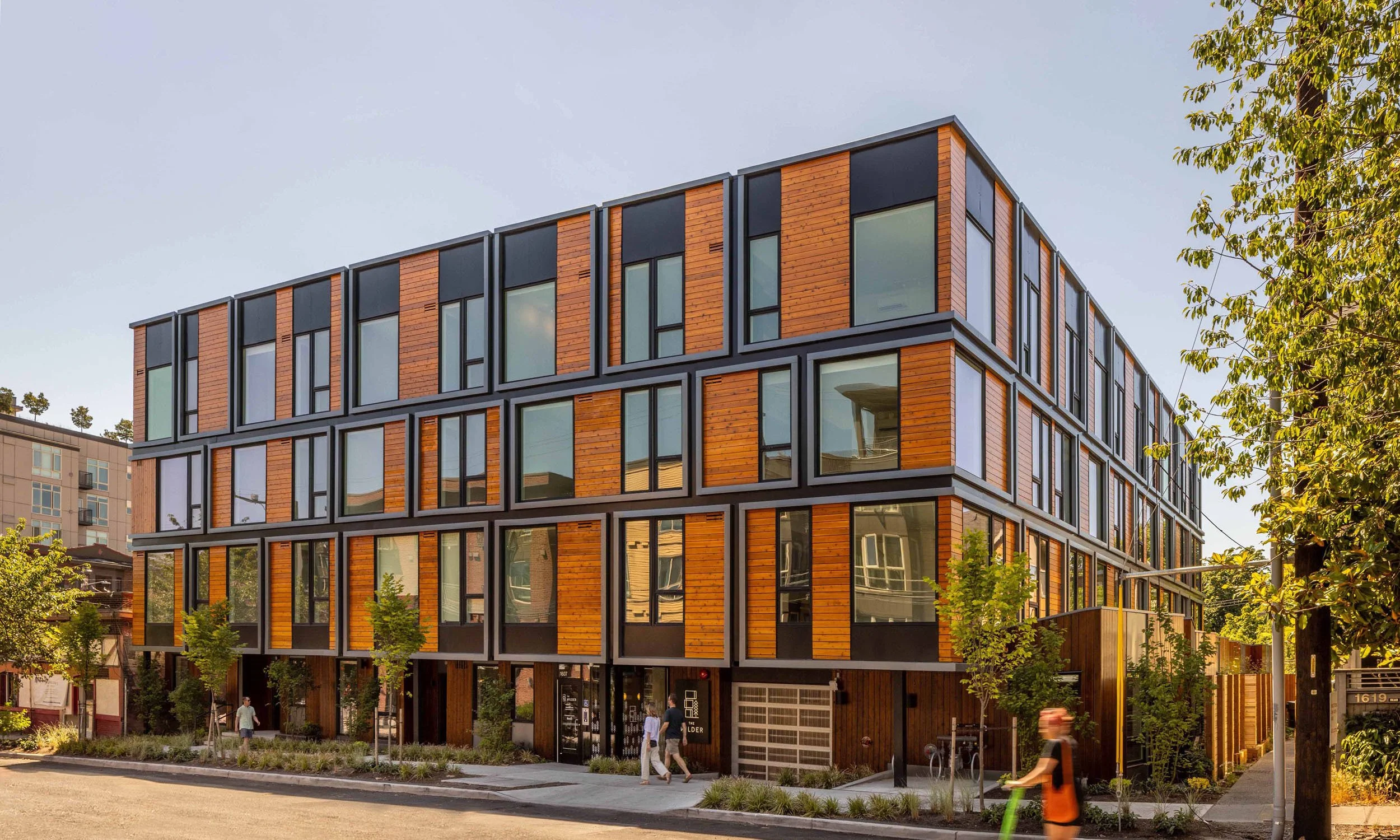
Jackson's multifamily housing market reflects the city's broader economic dynamics—a significant inventory of older apartment stock concentrated in neighborhoods like Fondren Belhaven and along the Woodrow Wilson and McDowell Road corridors alongside newer development near the Renaissance at Colony Park and the medical district. Many of the workforce-housing complexes that serve the city's larger renter population were constructed in the 1960s through 1980s and have roofing systems that have been patched coated and managed through a succession of ownership changes without ever receiving a comprehensive replacement. For property investors who have acquired these assets understanding the true condition of the roofing envelope is foundational to any honest operating pro forma.
Mississippi's climate delivers some of the most demanding conditions for commercial roofing in the country. Jackson averages over 55 inches of rainfall annually with heavy convective storms common from spring through early fall and periodic tropical moisture bands from Gulf systems passing through Hinds County. A roofing membrane that has even minor seam failures or compromised flashings will face regular water-intrusion events in that rainfall environment. The city's summer heat and humidity also create vapor-pressure dynamics that can drive moisture upward through roofing assemblies from the interior side—a phenomenon that requires vapor retarder design in replacement systems to prevent new membranes from failing from below.
Property management companies operating Jackson apartment portfolios have historically dealt with roofing through reactive repair cycles—patching leaks as tenants report them, applying flood coatings periodically, and delaying full replacement as long as possible. That approach made a certain economic sense when building values were modest and rents were low but as the Jackson market attracts outside investor interest and rents trend upward the deferred-maintenance model creates growing liability exposure. A water intrusion event that damages a tenant's personal property and generates a habitability complaint to the Mississippi Real Estate Commission is a much larger operational problem than the roof replacement that would have prevented it.
HOA-governed communities in the Jackson metro—particularly in Ridgeland Madison and Brandon where suburban development brought numerous townhome and patio-home associations—face reserve-fund challenges that are familiar to associations across the Sun Belt. Many communities formed in the 1990s and 2000s established reserve-fund contributions that underestimated long-term capital replacement costs and those communities are now approaching major roof replacements with inadequate reserves. Special assessments are legally available under Mississippi HOA law but they create owner-relations friction and sometimes trigger payment-default problems among lower-income households. Phased roofing approaches that spread the work and cost over two or three years can ease that burden when the membrane condition permits.
Metal roofing has a strong presence among Jackson's older commercial and mixed-use apartment buildings particularly on properties with steeper-slope profiles in Belhaven and Fondren. Standing-seam metal systems installed on those buildings in the 1980s and 1990s often need seam re-crimping, fastener replacement, and rust-inhibiting coating rather than full tear-off—when the substrate and panel geometry are still sound. Contractors with metal roofing restoration experience can distinguish between systems that are viable restoration candidates and those where panel deterioration requires full replacement saving owners from both over-investing in a system that will fail regardless and from unnecessarily replacing sound material.
Real estate investors targeting Jackson's workforce-housing segment as a value-add play need to factor roofing into acquisition underwriting before committing to purchase. A 48-unit complex in the Pear Orchard area with a 1979 built-up roof and no documented maintenance history is carrying a capital need that could easily exceed $120,000 or more for a code-compliant replacement with drainage corrections and new insulation. Buyers who treat that as a negotiating chip without actually pricing the work frequently discover at bid collection that the actual cost is materially higher than their assumed line item—a gap that can turn a projected return into an actual loss.
Jackson's aging multifamily housing stock also presents building-code-compliance dimensions that surface during roofing permits. A reroof permit application in Hinds County triggers a review of the existing structure's compliance with current adopted building codes and properties that were grandfathered under prior code versions may face requirements to upgrade attic ventilation achieve current insulation R-values or address structural concerns identified during the permit process. Working with a commercial roofing contractor who understands the Mississippi Building Code adoption schedule and the local plan-review process prevents permit delays and unexpected scope additions from derailing project timelines.
The flat-roof drainage situation on many Jackson apartment buildings is a critical performance variable that gets inadequate attention in commodity roofing bids. Interior drains that are undersized for the roof area they serve scuppers that were sized for light rain and not for the 100-year storm events that Mississippi produces and drain pathways that run through unconditioned ceiling cavities above units—all of these create failure modes that no membrane can overcome. A quality reroofing scope identifies and corrects drainage deficiencies rather than installing new material over a system that guarantees ponding and thermal shock cycles that will compromise the new roof within a few years of installation.
Apartment owners and property managers in Jackson who are ready to move beyond reactive roof maintenance and build a capital-management discipline should start with a portfolio-wide assessment from a qualified commercial contractor. That assessment should include age documentation moisture scanning drainage analysis and photographic condition records for every property—producing a prioritized replacement schedule that can be integrated into reserve-fund planning and shared with investors lenders and insurance carriers. In a market where building values are rising and investor scrutiny is increasing that level of documentation is no longer optional;it is the foundation of credible multifamily asset management in Mississippi.
Keep exploring
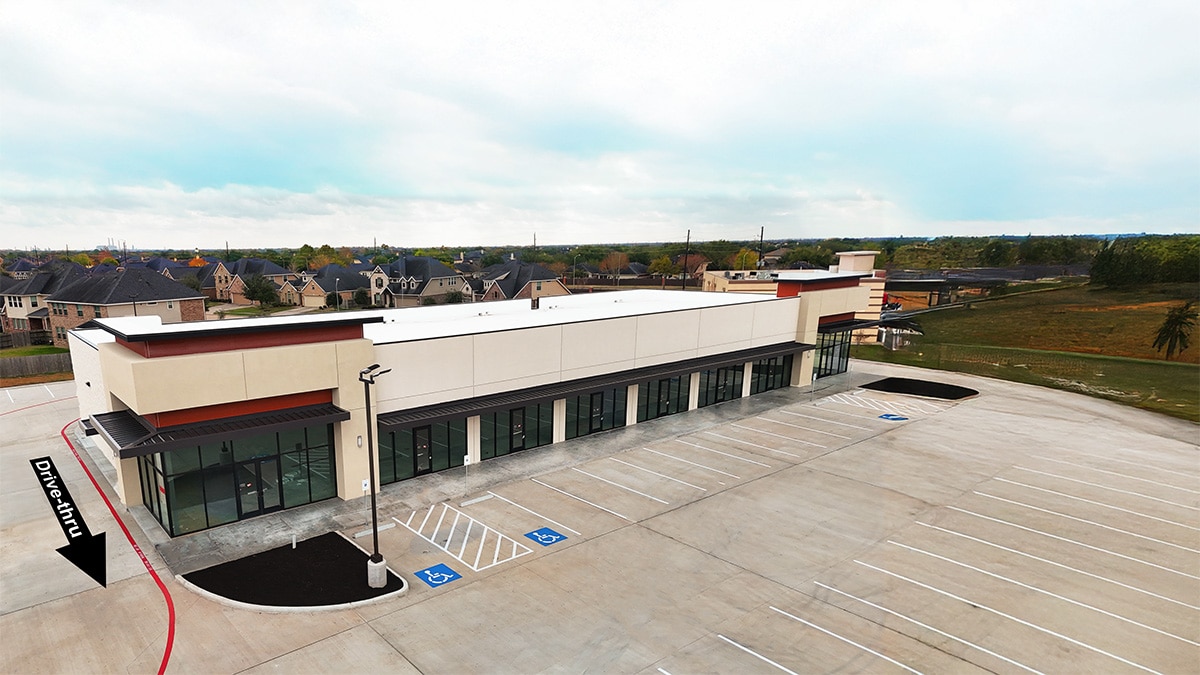
Retail Roofing
Commercial roofing for strip malls, shopping centers, anchor stores, and standalone retail buildings throughout
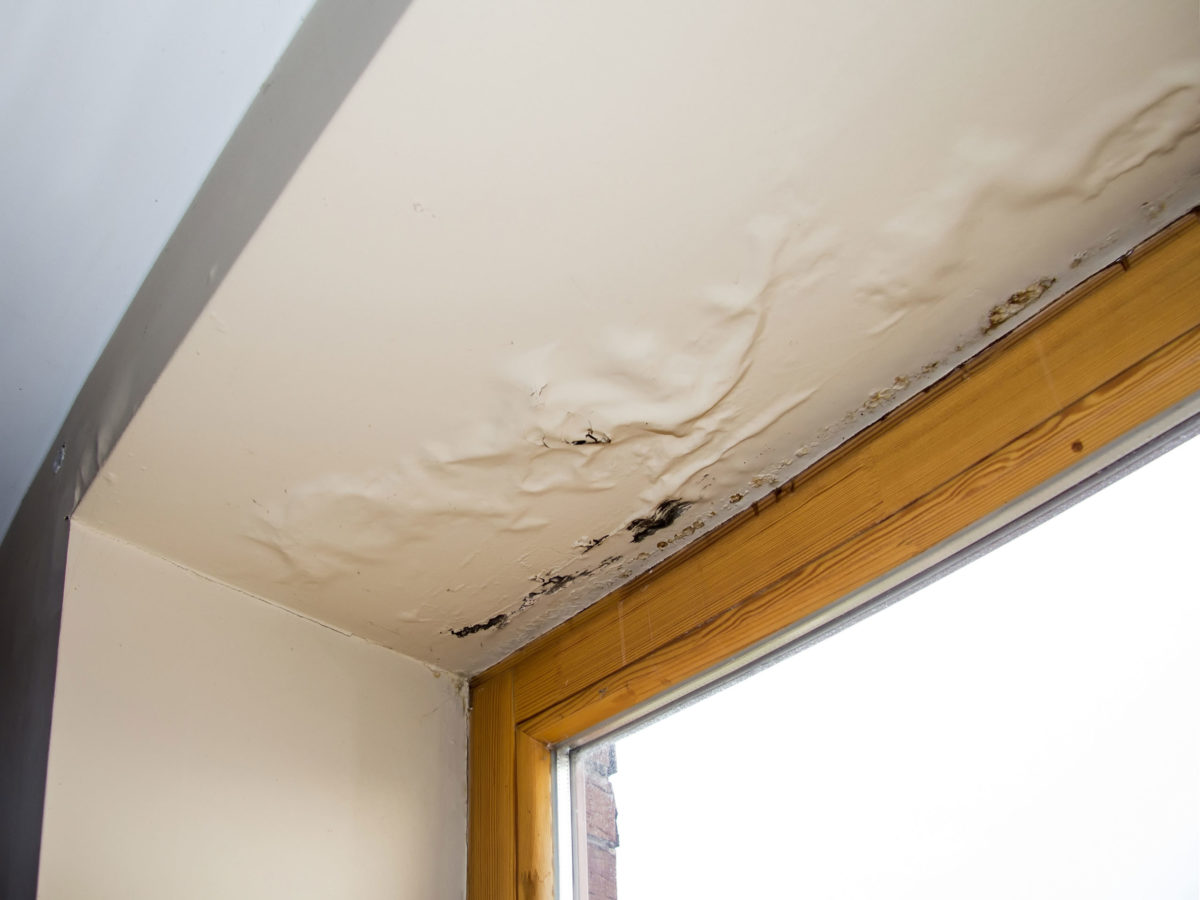
Humidity Damage Roof Repair
Repairing humidity damage on Jackson, MS commercial roofs: blistering, ridging, saturated insulation, and failed vapor
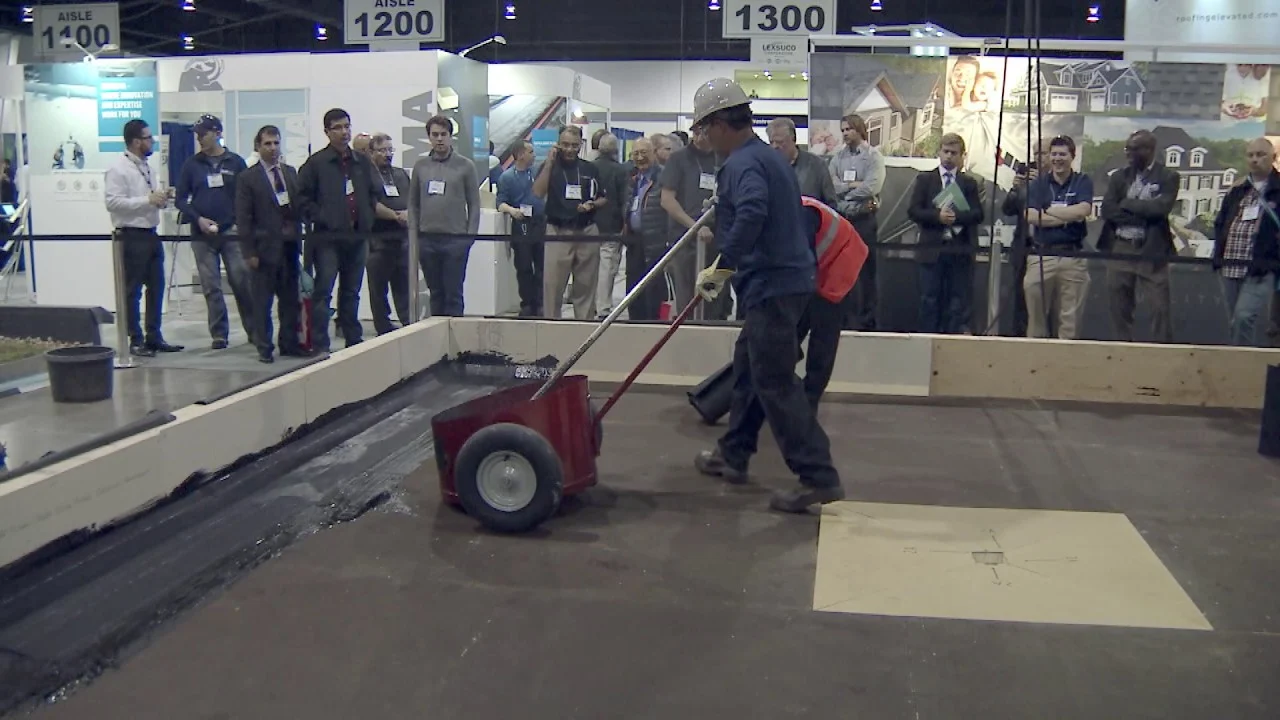
Built Up Roofing
Built-Up Roofing BUR for commercial buildings in Jackson,