
Document the roof before choosing the scope
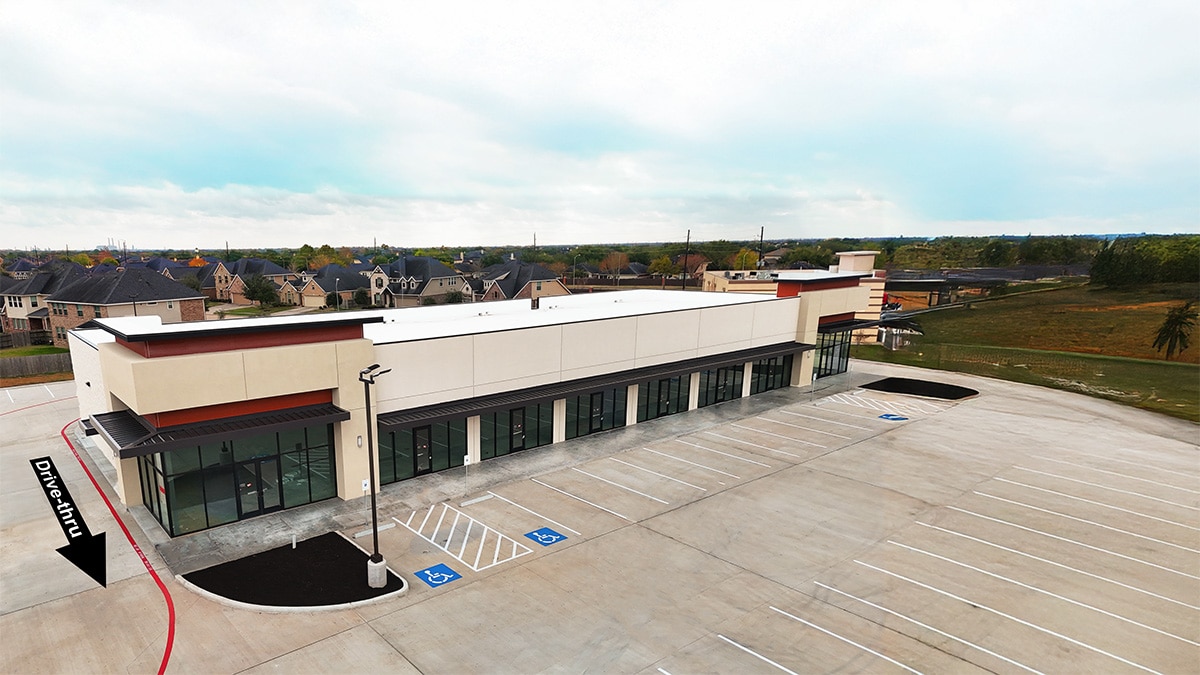
Jackson's retail corridors tell the story of Mississippi's capital city in layers of commercial development—the older strip centers along Highway 80 and Woodrow Wilson Avenue that served mid-century retail needs the suburban expansion along Highway 18 in Flowood and the Lakeland Drive corridor and the newer mixed-use retail emerging near the Fondren neighborhood and the medical corridor along Lakeland Drive. Each era of development brought different roofing standards and the aging of the earliest inventory has created a substantial backlog of deferred roofing capital work across the metro. The Deep South climate—extreme summer heat high humidity and an annual rainfall total approaching 55 inches—means Jackson retail roofs are among the most weather-stressed in the country and the consequences of deferred maintenance show up quickly in tenant complaints and lease disputes.
TPO membrane roofing is the correct specification for the overwhelming majority of Jackson retail replacement projects offering reflective energy performance that directly benefits tenants paying high utility bills in Mississippi's summers and a seam-welded construction that resists the humidity-driven moisture infiltration that lap-adhesive systems struggle with in the Deep South. Mississippi's climate is particularly hard on adhesive-bonded seams because the combination of heat and humidity causes adhesives to soften and lose grip over time, resulting in seam separations that allow water infiltration well before the membrane material itself has failed. Heat-welded TPO seams eliminate this failure mode entirely which is why the system has become the professional standard in the Jackson market.
Drainage management on Jackson retail roofs is complicated by the city's extreme precipitation intensity. While 55 inches of annual rainfall sounds manageable in terms of total volume the pattern of delivery in Mississippi—intense thunderstorm cells that dump several inches in an hour followed by dry periods—means that drainage systems must be sized for peak flow rates rather than average conditions. The older retail inventory along Capitol Street and around Northpark Mall has drain systems that reflect the standards of earlier decades and property managers who have never had a problem may simply not have experienced the right combination of storm intensity and drain obstruction simultaneously. Proactive drain cleaning and flow testing before each storm season is the minimum maintenance standard for any Jackson retail property.
Retail tenant disruption is a delicate issue in Jackson's commercial real estate market where some retail corridors have experienced sustained vacancy challenges and retaining the tenants who are operating is a genuine priority for property managers. A roofing project that creates visible construction disorder on an already-challenged strip center can accelerate tenant departures and send a negative signal to prospective tenants evaluating the property. The counterpoint—and the argument for proactive roofing investment—is that active leaks and visible water damage are far more damaging to tenant retention than construction activity managed professionally. Property managers who communicate honestly with tenants about the roofing project timeline and demonstrate that they are investing in the property's physical condition often find that tenants respond positively to the investment signal.
HVAC penetrations in Jackson's retail buildings carry a specific challenge related to the age of the building stock. Many older strip centers along the Highway 80 and Raymond Road corridors have been reroofed multiple times with each reroof adding new curb locations and abandoning old ones rather than systematically removing equipment that is no longer in service. The result is a rooftop landscape cluttered with abandoned penetrations orphaned curbs and informal patches over old equipment locations that represent a maintenance liability rather than a functioning roofing assembly. A comprehensive rooftop assessment on a Jackson retail property should inventory every penetration, identify which ones are active, and develop a scope for removing and properly sealing the abandoned ones as part of the overall roofing project.
The commercial roofing market in Jackson serves a significant number of faith-based and nonprofit-owned retail properties—community development corporations faith-based commercial ventures and affordable housing organizations that own retail space in lower-income corridors across the city. These property owners have real roofing needs but limited capital and they benefit from roofing contractors who can develop phased repair and maintenance plans that extend system life within budget constraints rather than presenting replacement as the only option. Fluid-applied restoration coatings targeted seam repairs and drain system improvements can collectively extend the life of a Jackson retail roof by five to ten years when applied to a system that is compromised but not failed.
Jackson's retail market includes several properties that were significantly damaged by severe weather events and then partially repaired under insurance claims leaving roofing systems in an inconsistent state where some sections are newer than others. This patchwork condition is difficult to assess from surface observation alone and requires a systematic membrane thickness measurement and seam inspection to understand where the system is adequate and where it is approaching failure. Property managers who acquired properties with existing insurance repairs should commission a comprehensive condition assessment to establish a baseline for ongoing maintenance planning rather than relying on the partial documentation that typically accompanies an insurance claim repair.
Energy costs in Mississippi are a genuine retail tenant pain point and the roofing system plays a direct role in those costs. Jackson retail buildings with dark-surfaced roofing absorb solar radiation throughout the summer months driving up cooling loads and making tenant spaces uncomfortable even with functional HVAC systems. The utility cost comparison between a dark modified bitumen roof and a white TPO system on a typical Jackson retail building can be significant enough to affect lease negotiations—particularly for smaller tenants who are paying high utility bills on a gross lease basis. Landlords who have recently installed reflective roofing and can document the energy performance change are using that data effectively in Jackson's competitive retail leasing market.
Planning roofing capital expenditures for Jackson retail properties requires navigating the intersection of physical need available capital and the economic realities of the local market. Institutional lending standards for commercial properties in Jackson include roofing condition assessment as part of the property due diligence and lenders have become more exacting about requiring capital reserves for properties with aging roofing systems. Property owners who have maintained accurate roofing maintenance records and can demonstrate an active capital reserve program are better positioned for refinancing and sale transactions. Working with a commercial roofing contractor who provides detailed written assessments and maintenance documentation—not just invoices—gives Jackson retail property owners the paper trail that transactions require.
Keep exploring
Healthcare Facility Roofing
Commercial roofing for hospitals, medical office buildings, surgical centers, and healthcare facilities throughout

Solar Roof Integration
Rooftop solar on Jackson, MS commercial buildings, handled as a roofing job first: racking penetrations, membrane
Spray Foam Roofing
Spray Foam SPF Roofing for commercial buildings in Jackson,