
Document the roof before choosing the scope
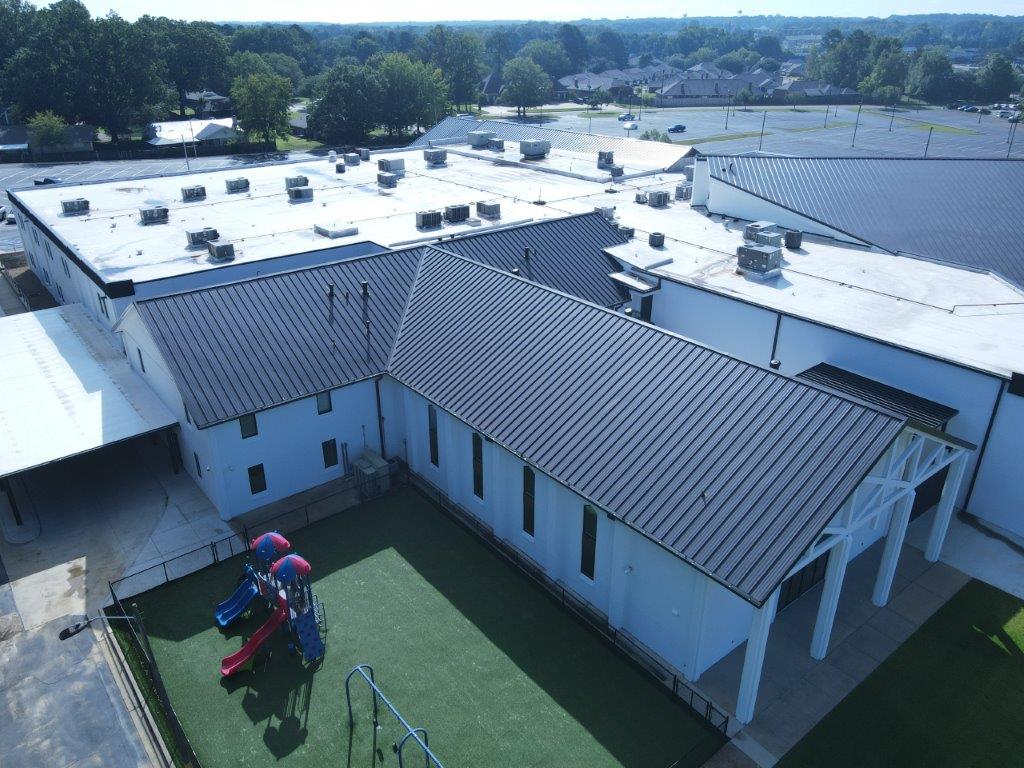
Jackson Mississippi's Fondren neighborhood is home to Northminster Baptist Church one of the city's most thoughtful and community-engaged Baptist congregations while First Baptist Church of Jackson has anchored the downtown community for well over a century. Jackson's religious landscape is among the richest in the Deep South encompassing large African American Baptist and Methodist congregations Catholic parishes independent evangelical churches and a growing number of non-denominational campuses. Commercial roofing contractors serving this market must navigate Mississippi's Gulf-influenced weather patterns alongside the particular scheduling and committee dynamics of Southern church culture.
Mississippi's proximity to the Gulf of Mexico means that Jackson churches must plan for the residual effects of Gulf Coast tropical systems which regularly move inland and deliver heavy sustained rainfall and significant wind gusts to the central part of the state. Jackson sits roughly 200 miles from the Gulf far enough to escape direct hurricane strikes but close enough that tropical storm remnants produce the kind of wind-driven rain that reveals every weakness in a building's roofing system. Church roofs with aging flashings open seams or inadequate membrane attachment are particularly vulnerable during these events.
Hurricane-level wind preparedness should inform the specification of any new roofing system on a Jackson church. ASCE 7 design windspeeds for the Jackson area require roofing systems with documented uplift resistance properly designed edge metal and fastener patterns that meet or exceed the requirements of FM Global's approval standards. Many of the built-up and modified bitumen systems installed on Jackson churches in the 1980s and 1990s were not specified with current wind uplift standards in mind. A re-roofing project is the ideal opportunity to bring the building into compliance with modern wind resistance requirements.
Clear-span sanctuary roofs are the standard on Jackson's larger church campuses. The African American megachurch congregations that have grown significantly over recent decades often occupy purpose-built facilities with wide worship spaces fellowship halls and education wings totaling tens of thousands of square feet under a single roof system. These large flat-to-low-slope roofs develop characteristic failure patterns—ponding at interior low points membrane cracking along long seam runs and clogged drainage that allows water to sit for extended periods—that experienced commercial roofing contractors can identify and correct systematically.
Capital campaigns at Jackson churches often reflect the deep community investment that characterizes Mississippi's faith culture. Churches here frequently serve as the primary social institution for their communities providing not only worship space but also community meeting space food pantries after-school programs and emergency assistance. The roofing project is understood not merely as building maintenance but as protecting the community's most important asset. Contractors who convey genuine understanding of this context—rather than treating the project as just another commercial job—build lasting relationships in Jackson's faith community.
Scheduling at Jackson churches must account for the near-continuous community programming that distinguishes the city's most active congregations. Sunday services Wednesday night Bible study Thursday choir rehearsal Saturday community meals and weekday after-school programs fill buildings that once were thought of as Sunday-only spaces. Summer months offer the best window for major roofing work as school-based programs pause and the congregation's programming calendar lightens somewhat. But summer in Jackson also brings temperatures that push rooftop conditions above 150°F by midday making early morning work starts and mandatory heat safety protocols non-negotiable for worker protection.
Committee decisions in Jackson Baptist churches traditionally involve deacon boards finance committees and in many cases congregational votes for significant expenditures. The process is thorough and can extend the time between initial proposal and contract signing by several months. Contractors who understand this timeline and maintain patient responsive communication through it—providing updated proposals if material prices change and checking in professionally without being pushy—win contracts from committees that value trustworthiness as much as price. In a city where church members talk frequently a contractor's reputation for integrity travels fast.
Jackson's humid subtropical climate places specific aging demands on roofing materials. High annual humidity promotes biological growth on membrane surfaces particularly on shaded areas of large flat roofs. UV exposure degrades sun-coated modified bitumen surfaces over time producing granule loss and surface cracking. Standing water from inadequate drainage accelerates membrane degradation under the waterline. A thorough roof condition assessment before design—including core samples to measure insulation moisture content and membrane adhesion—produces a scope that addresses real conditions rather than assumptions.
Post-installation maintenance programs are a wise investment for Jackson churches that have made a significant capital commitment to their roofing systems. Twice-yearly inspections—before and after the Gulf storm season—combined with prompt response to any storm event that produces visible damage extend the roof's service life and prevent small problems from becoming large ones. A contractor who provides written inspection reports with photographs and repair recommendations and who remains accessible for emergency calls between scheduled visits earns the kind of trust that produces decades-long maintenance relationships in Jackson's close-knit faith community.
Keep exploring
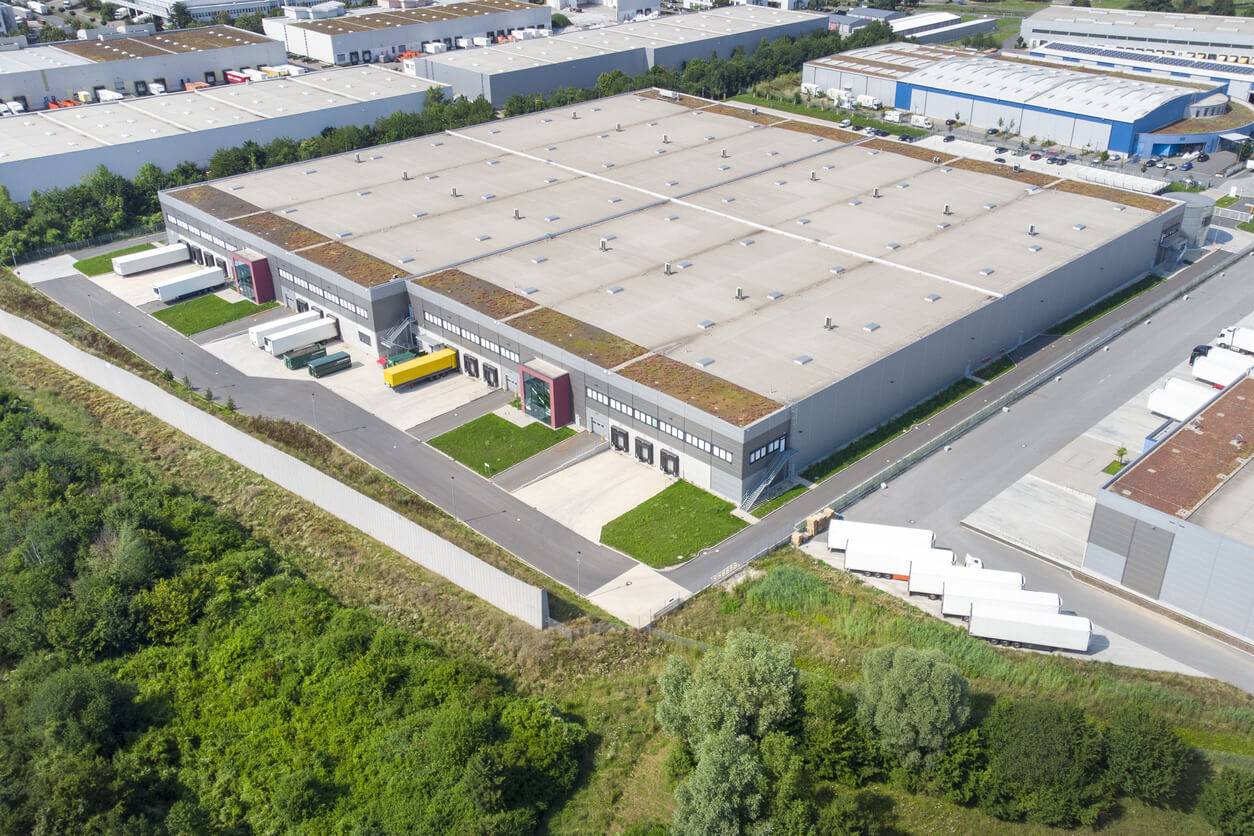
Industrial Roofing
Industrial Roofing for manufacturing facilities, warehouses, and industrial buildings throughout Jackson,
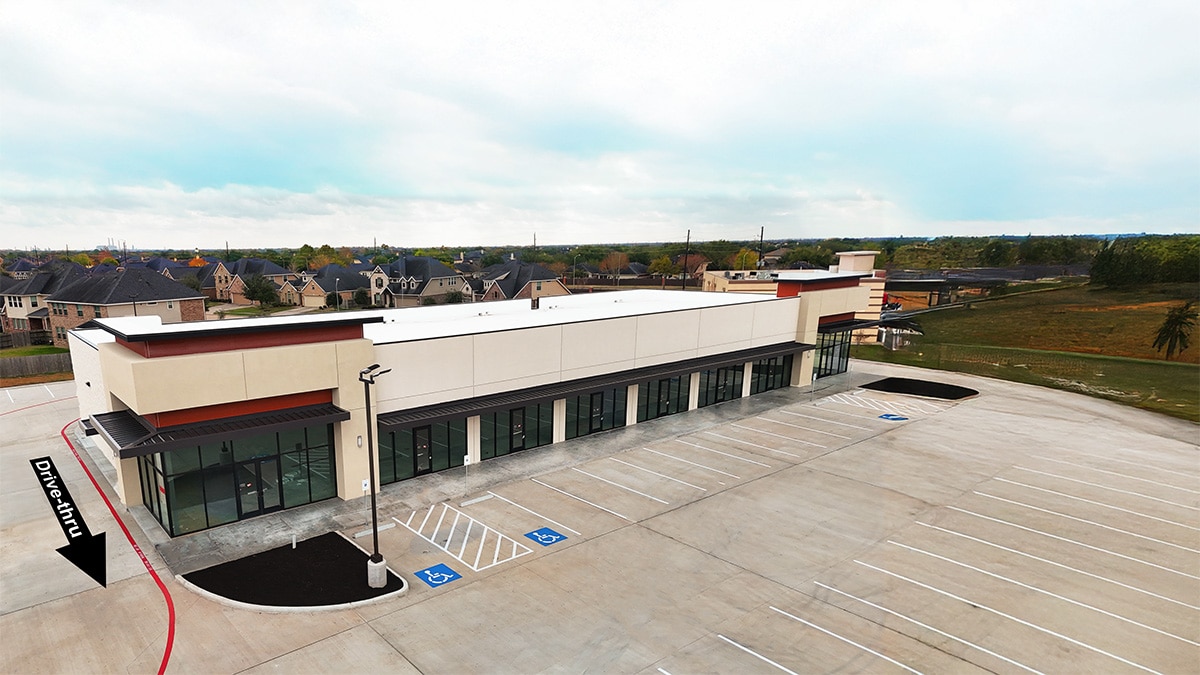
Retail Roofing
Commercial roofing for strip malls, shopping centers, anchor stores, and standalone retail buildings throughout
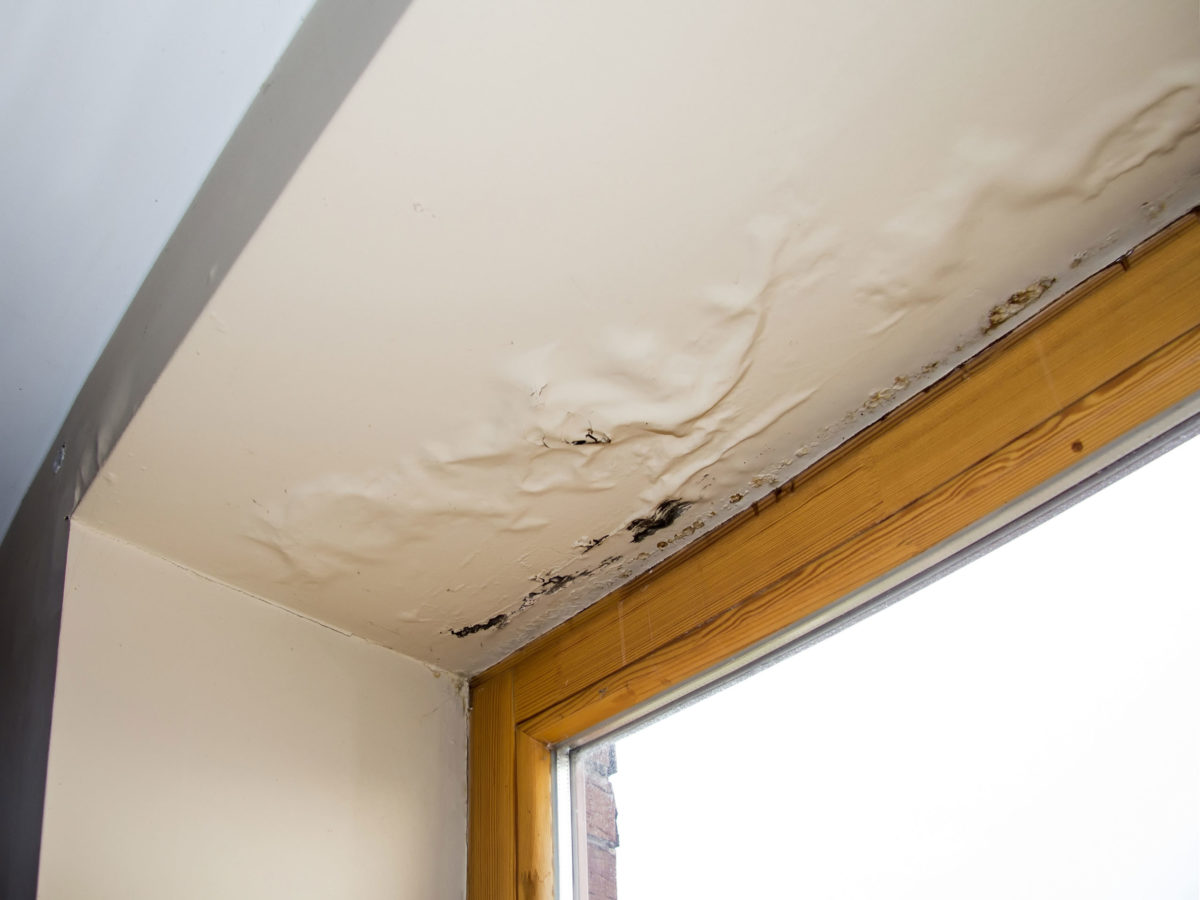
Humidity Damage Roof Repair
Repairing humidity damage on Jackson, MS commercial roofs: blistering, ridging, saturated insulation, and failed vapor