
Document the roof before the claim moves forward

An insurance claim on a commercial roof lives or dies on the evidence attached to it. Before a repair or replacement number gets written, we walk the roof with a camera, a moisture meter, and a tape measure, and we record what actually happened up there, not what the ceiling stain inside the building suggests. On a TPO or EPDM field in the Jackson metro that can mean granule loss on a cap sheet, bruised insulation board under a membrane that still looks intact from the ground, creased seams along a parapet, or displaced coping at a roof edge near the Capitol Street corridor.
The building stock around the metro varies enough that the same storm can leave very different damage from one roof to the next. State office buildings and older downtown roofs near Capitol Street, medical buildings around the UMMC and Fondren corridor, and warehouse and distribution roofs along I-20 and I-55 all carry different membrane ages, different prior repair histories, and different rooftop equipment loads. A roof walk that skips those details usually produces a scope that has to be revised later.
We document methodically: overview photos of every roof plane, close-up photos of every point of damage, measured square footage, moisture-meter readings where water may have tracked under the membrane, and notes on drains, curbs, penetrations, and edge metal tied to the same event. That record is what a repair or replacement scope gets built from.
When the adjuster comes out, we're available to walk the roof with them. Adjusters see a wide range of roof types and cover a large territory, so a roof-level explanation of the membrane system, the age of the roof, and where the damage sits relative to drains and equipment helps keep the inspection grounded in what the roof actually needs. We point out anything that could be missed from a ground-level or drive-by look — cracked pipe boots, lifted flashing at a curb, a section of membrane that's separated from the deck.
Complete-scope framing matters as much as the initial damage report. A repair or replacement estimate that only covers the visibly damaged area can leave out code-required upgrades, matching material for a roof that's no longer manufactured in its original spec, or tear-off and disposal costs that come with a partial replacement. We itemize those items separately so the full scope is visible, not buried in a lump sum.
If a claim comes back denied or the settlement doesn't match the roof's actual condition, we re-check our findings against what the carrier's estimate covers and note where the two don't line up. That comparison goes to the owner to use however they see fit with their carrier or their own advisor. We're your roofing contractor, not a public adjuster — we document and substantiate the roof damage so you and your adjuster work from an accurate scope, and the decision about how to pursue a claim stays with the owner.
Closeout matters too. Once repair or replacement work is finished, we put together a record that includes the damage photos, the repair or replacement scope, product and warranty information, and any conditions on the roof that fell outside the approved work. That record supports the claim file, the property's maintenance history, and whatever the next roof review needs.
Questions Jackson building owners ask
Does insurance typically cover a commercial roof replacement in Jackson?
It depends on the cause and the age and condition of the existing roof. Sudden events like hail, wind, or a tornado-warned storm are the claims most likely to be covered; slow leaks, poor maintenance, or a roof that was already past its service life are usually treated differently. We document the roof as we find it so the owner and the adjuster are working from the same facts before that determination gets made.
What does the claim process look like from the roofing side?
We start with a roof walk: overview photos, close-up photos of every point of damage, measurements, and moisture readings where water may have tracked under the membrane. That record becomes a written damage assessment and repair scope. From there the building owner files the claim with their carrier, and we're available to meet the adjuster on the roof and walk them through what we found.
What happens if a claim comes back denied or underpaid?
We re-check the roof against the adjuster's findings and note anywhere the scope looks incomplete, whether that's a missed section of membrane, a skipped code-upgrade item, or a repair estimate that doesn't match the actual damage. That documentation goes back to the owner to use in their own conversation with the carrier. We don't file appeals or negotiate settlements ourselves.
How do you decide between repair and full replacement for a claim?
The roof's own condition drives that call: how much of the field membrane is affected, whether the insulation underneath is wet, how many prior patches are already on the roof, and how much service life was left before the event happened. We lay out the repair option, the replacement option, and what each one leaves unresolved, so the owner can weigh that against what the carrier is offering.
Do you file the claim or negotiate with the insurer on our behalf?
No. We're your roofing contractor, not a public adjuster — we document and substantiate the roof damage so you and your adjuster work from an accurate scope. Filing the claim and negotiating the settlement stay with the owner and their insurance company.
What should we have ready before the adjuster's roof walk?
Our damage assessment, dated photos, any prior roof inspection or maintenance records, and a copy of the repair or replacement scope we put together. If the roof has known trouble spots — a recurring leak area, an old patch, a drain that backs up in heavy rain — we flag those separately so they don't get confused with the current event.
Keep exploring
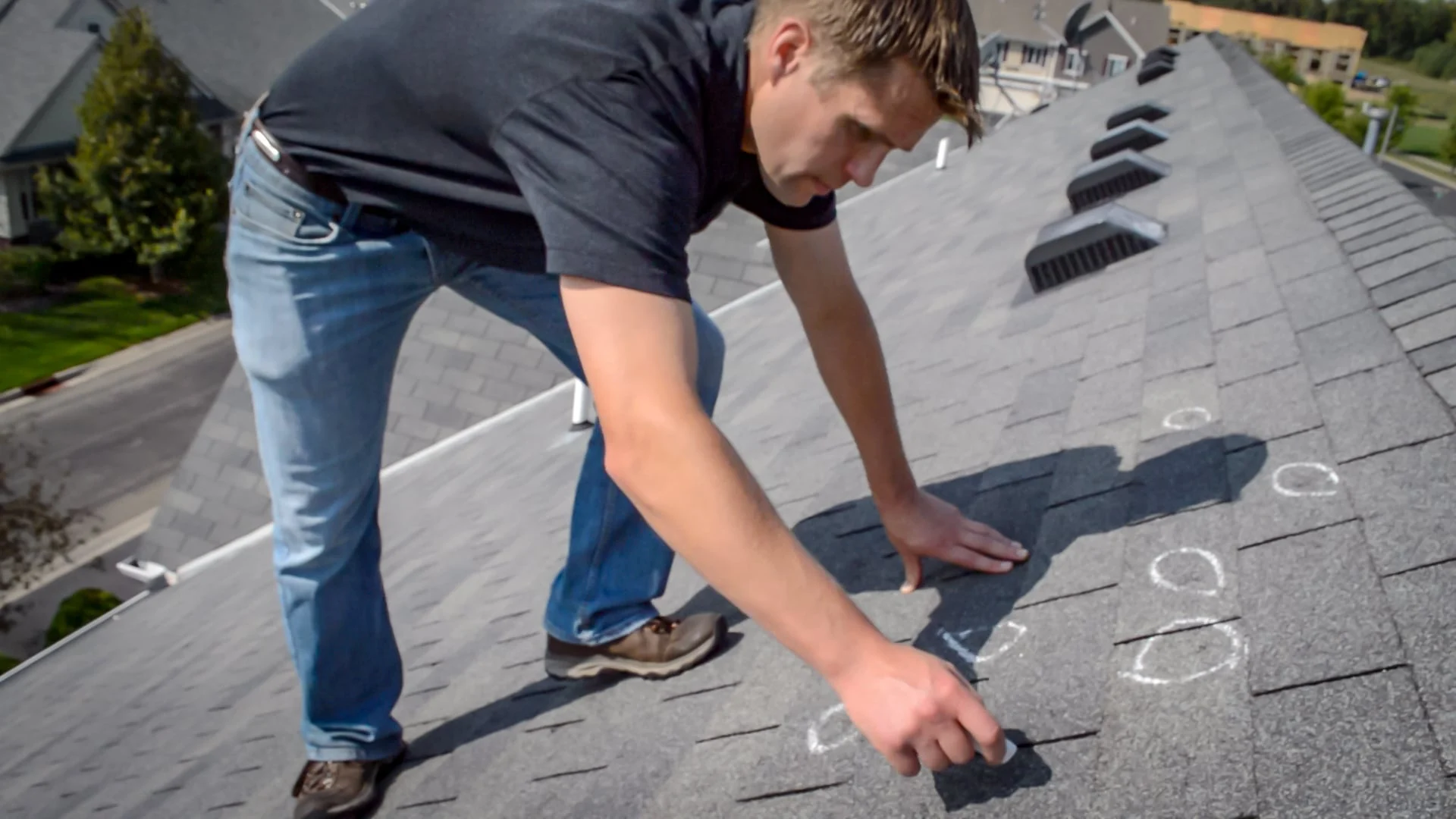
Hail Damage Roof Insurance Claims
Hail-specific damage documentation and claim scope work for Jackson commercial roofs.
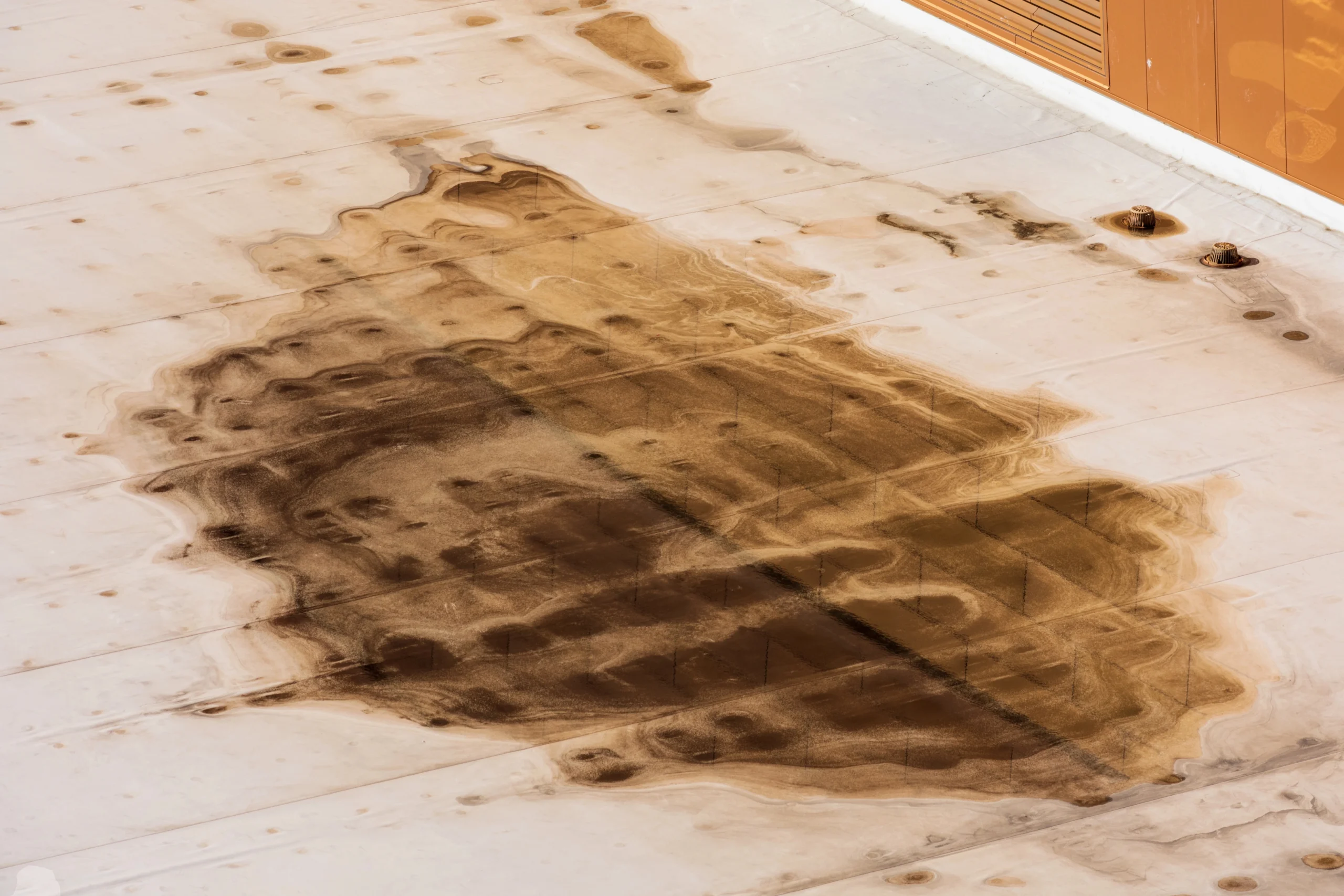
Wind & Storm Damage Roof Insurance Claims
Wind and severe-storm damage assessment for insurance-related roof scopes.
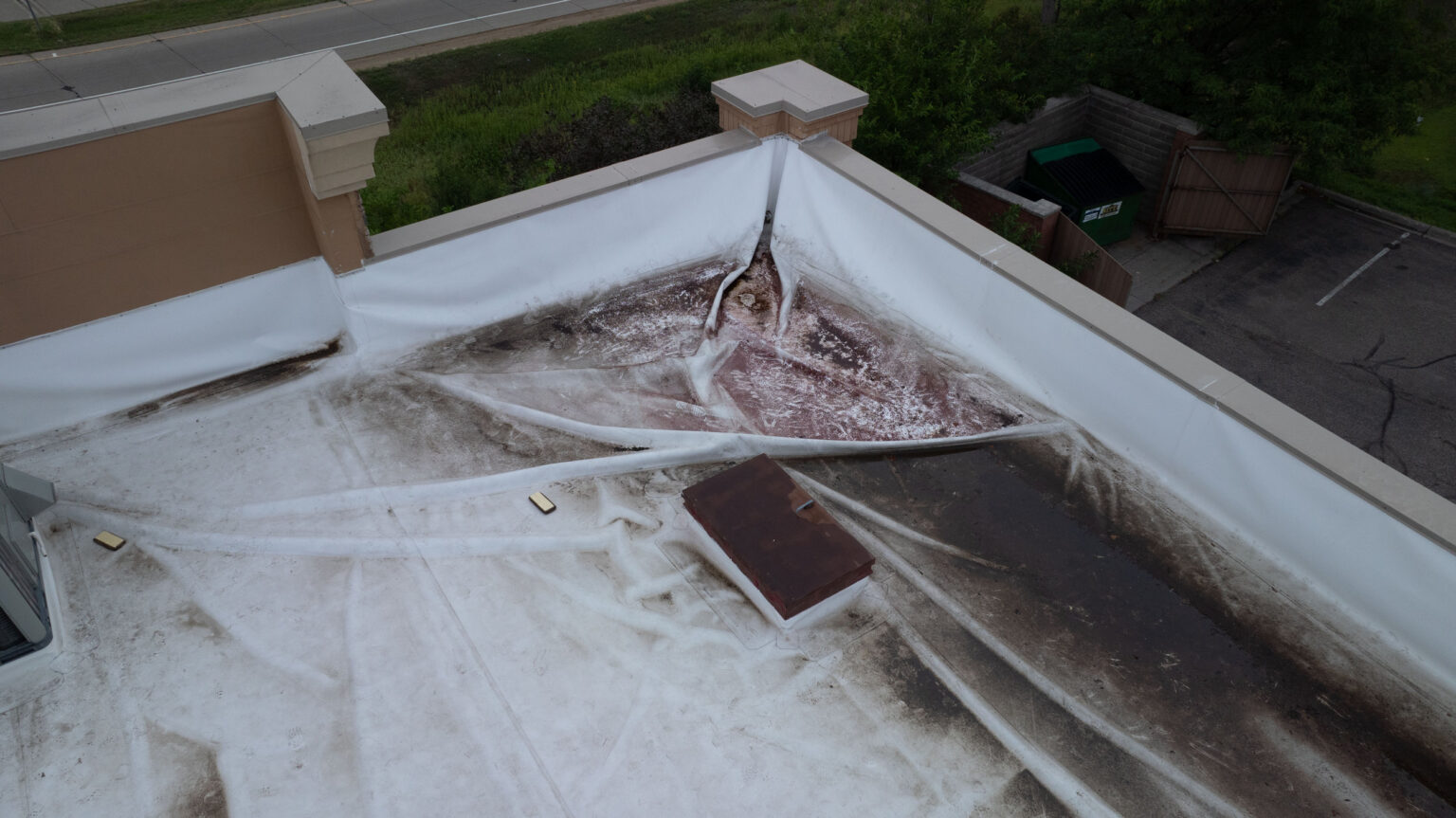
Insurance Claim Coordination
Roof-side documentation and coordination support for storm and damage claims.