
Keep the emergency work and the claim decision connected
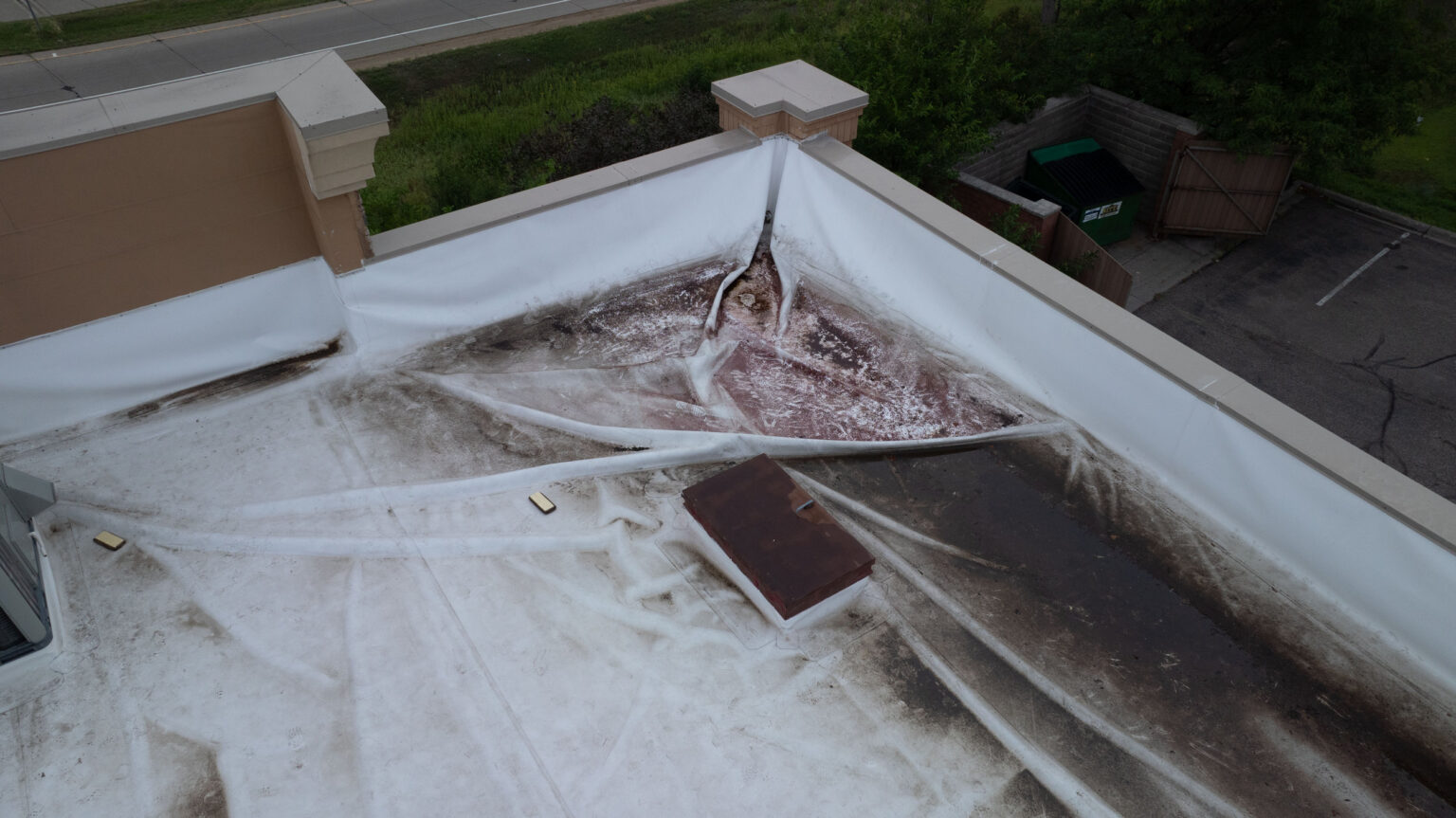
A commercial roof claim usually starts with two problems at once: water that needs to stop moving right now, and a longer decision about repair, restoration, or replacement that shouldn't be rushed just because the first problem is urgent. Insurance claim coordination is how we keep those two tracks connected instead of letting the emergency work turn into an unrelated sales conversation. If a storm has opened a seam or torn loose a section of edge metal, the first move is dry-in and temporary protection, photographed and logged as its own step.
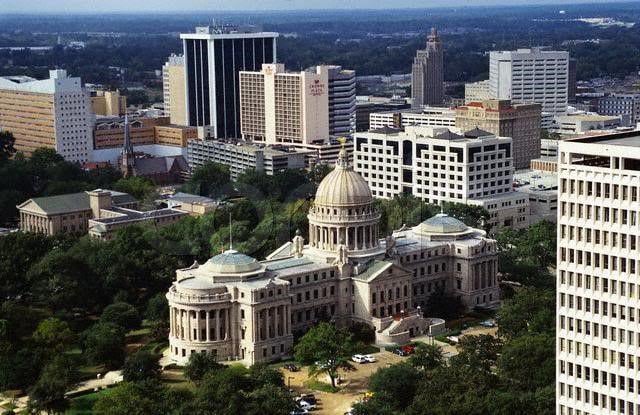
From there, we document the roof the same way for every claim: overview photos of each roof plane, close-up photos of the damage, measurements, and moisture readings where water may have tracked under the membrane. Jackson Redevelopment Authority-era buildings around Metro West and the Medical Mall, retail and office roofs along Highland Colony Parkway, and warehouse roofs off I-20 each carry different roof ages and different prior repair histories, so the documentation has to reflect the specific roof, not a generic checklist.
That record becomes the basis for the repair or replacement scope, and it's also what we bring to the roof walk with the adjuster, so the claim and the actual roof work are describing the same thing.
Scheduling is part of coordination too. Roof work around Downtown Jackson, the Medical Mall district, Lakeland Drive, and the Pearl or Flowood side of the metro can involve different parking, lift, and delivery rules, and an occupied building adds tenant notices and access planning on top of that. We sequence the work so the claim timeline and the construction schedule aren't working against each other, and so emergency dry-in work doesn't get mistaken for the finished repair.
Material and scope decisions stay grounded in what the roof actually needs. TPO, PVC, EPDM, modified bitumen, built-up roofing, coatings, and metal systems each have a place, but only after the existing assembly and the extent of the damage are understood. A partial repair on a roof that's otherwise near the end of its service life is a different recommendation than the same repair on a roof with years of service life left, and we explain that difference rather than defaulting to whichever scope is larger.
We're your roofing contractor, not a public adjuster — we document and substantiate the roof damage so you and your adjuster work from an accurate scope. Filing the claim and negotiating the settlement stay with the building owner and their insurance company; our role is making sure the roof-side facts are complete and clearly presented.
Closeout includes a full record: the damage documentation, the repair or replacement scope, product and access notes, and anything on the roof that fell outside the approved work. That record supports the claim file and the property's maintenance history going forward. For damage tied to a specific peril, the hail and wind claim pages below cover what each type of damage looks like and how we document it.
Questions Jackson building owners ask
What does insurance claim coordination mean on the roofing side?
It means we handle the roof-level work that has to happen around a claim: documenting damage, meeting the adjuster on the roof, keeping emergency dry-in work separate from the longer repair or replacement decision, and putting together a scope that reflects what the roof actually needs. Filing the claim itself and negotiating the settlement stay with the building owner and their carrier.
How is this different from the emergency tarp or leak repair services?
Emergency tarp and leak repair address the immediate water problem. Insurance claim coordination is the layer around that: making sure the emergency work, the documentation, and the longer-term repair or replacement scope all connect to the same event instead of getting handled as separate, disconnected jobs.
Do you meet the adjuster on site?
Yes, when the schedule allows it. We walk the roof with the adjuster, point out damage that can be hard to see from a ground-level pass, and explain the membrane system and any prior repair history that's relevant to what they're evaluating.
What if the building needs to stay occupied during the claim process?
Most commercial roof work can be phased around an occupied building — entrances, tenant notices, rooftop unit access, and delivery routes all get worked into the scope. We flag that early so the claim timeline and the work schedule aren't fighting each other.
Will you tell us if a repair makes more sense than a full replacement?
Yes. We look at membrane condition, insulation moisture, prior repairs, and remaining service life before recommending either one, and we explain the reasoning behind the number rather than handing over a bigger scope by default.
Keep exploring
Commercial Roof Insurance Claims
The full insurance-claim documentation and scope process for Jackson commercial roofs.
Hail Damage Roof Insurance Claims
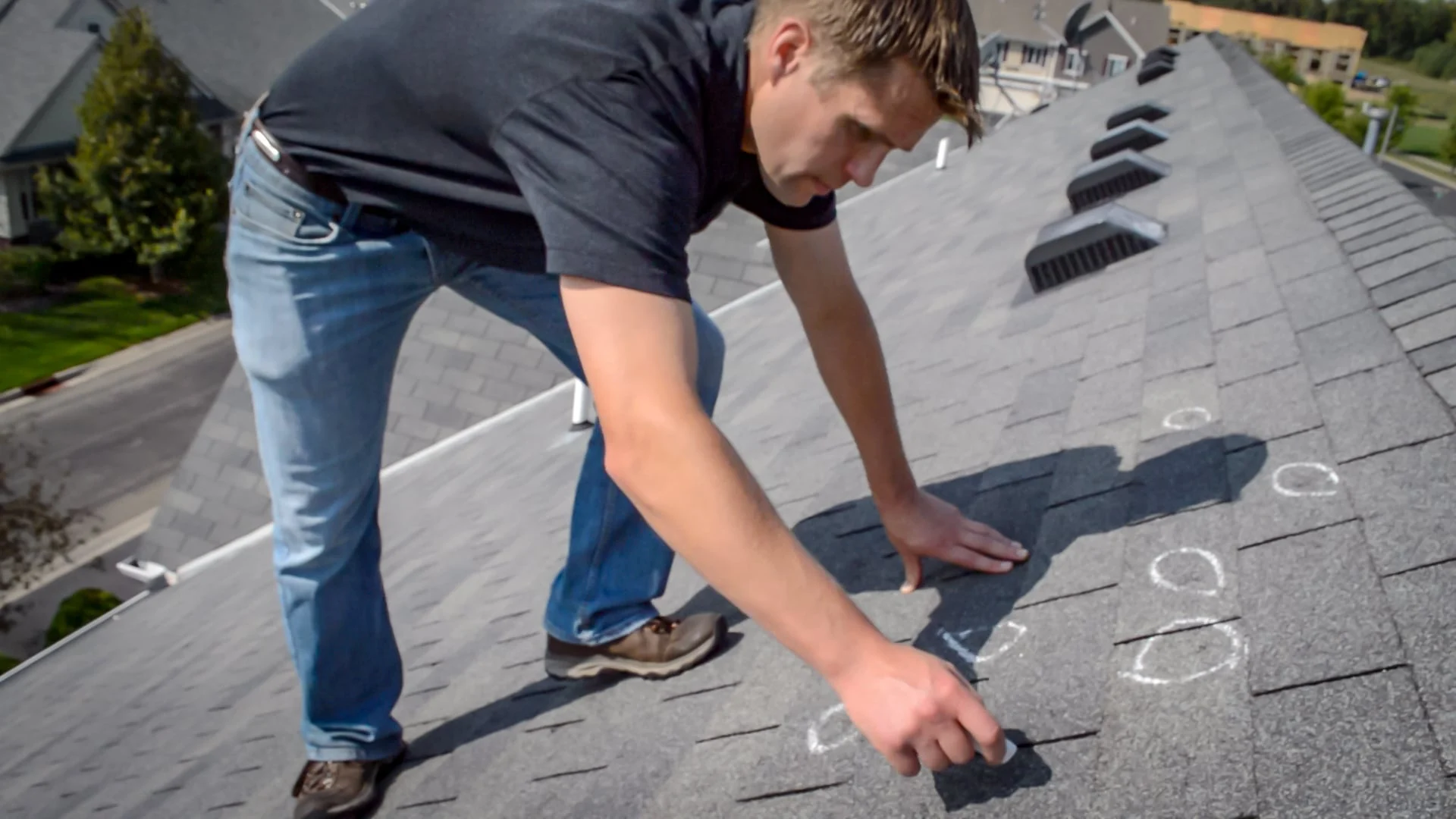
Hail-specific damage documentation and claim scope work for Jackson commercial roofs.
Wind & Storm Damage Roof Insurance Claims
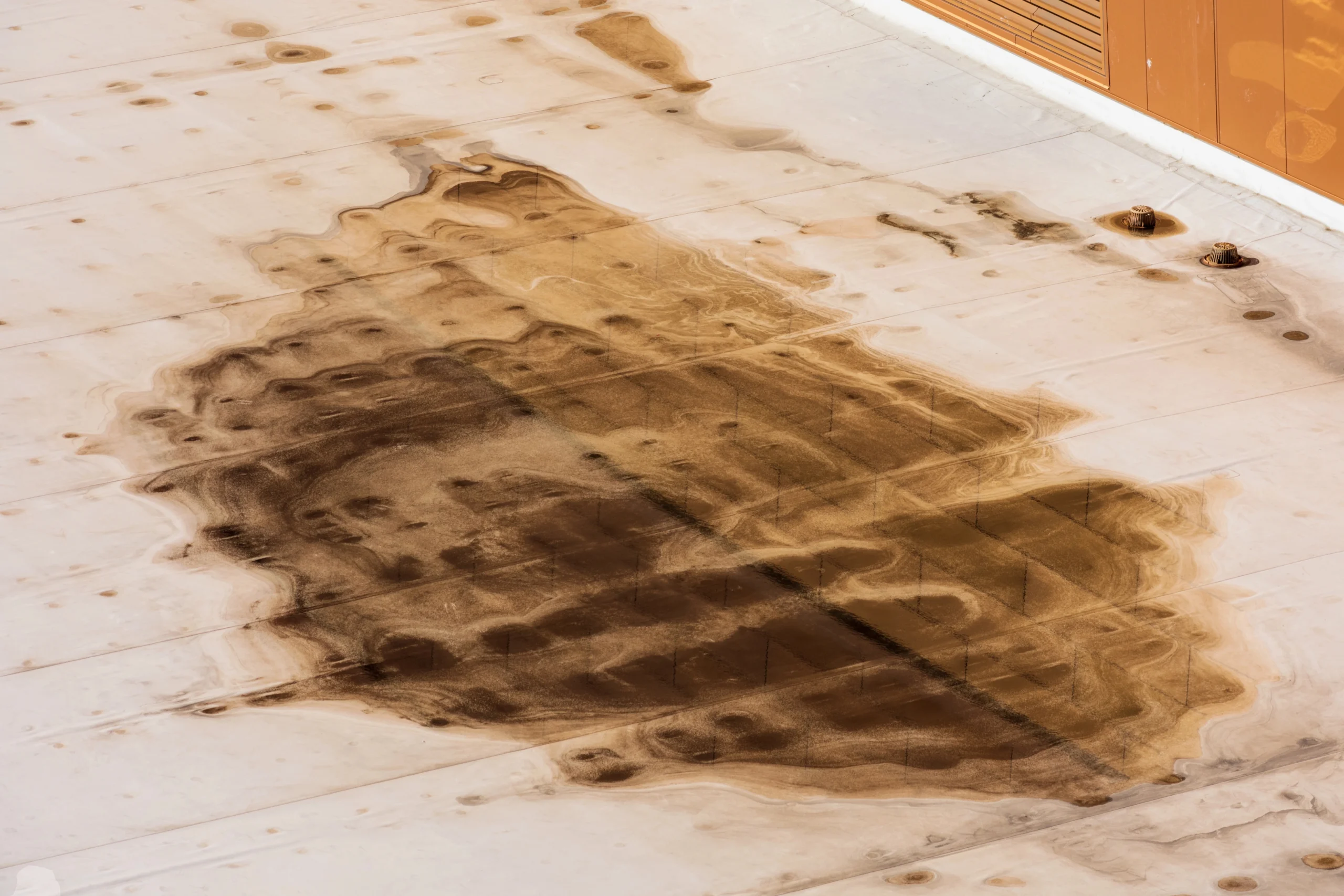
Wind and severe-storm damage assessment for insurance-related roof scopes.